


Choosing Equipment For Your Menu And Volume
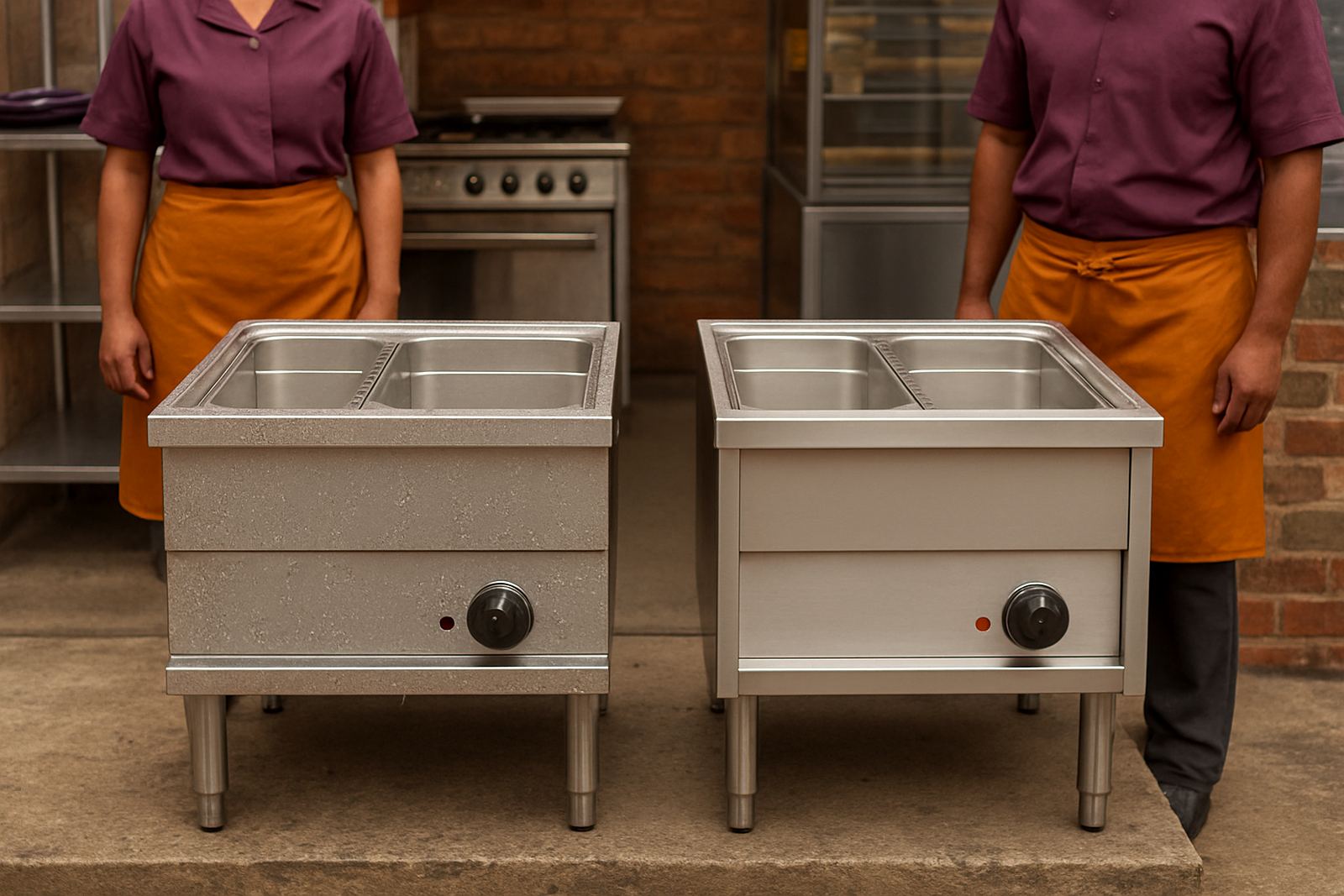
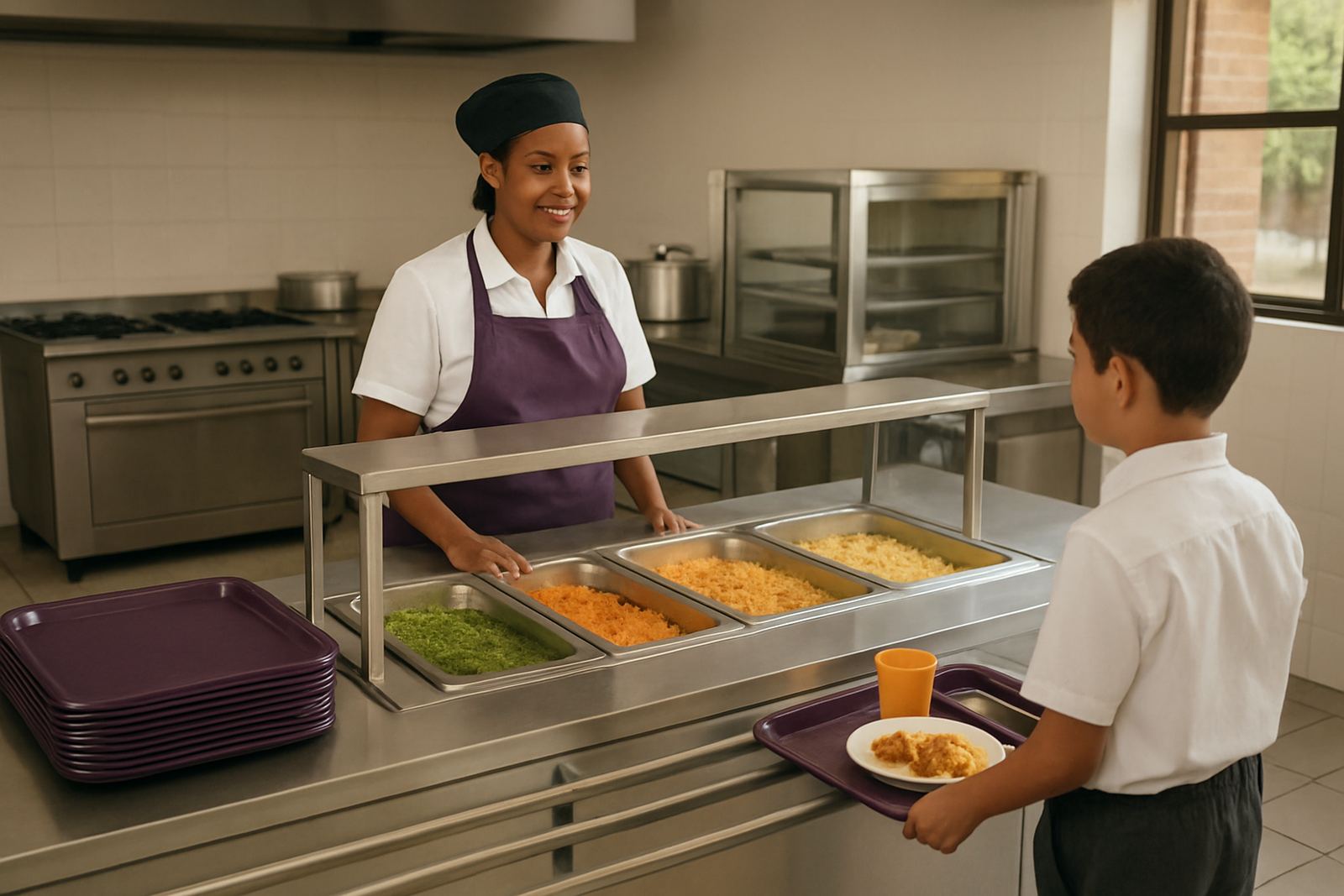
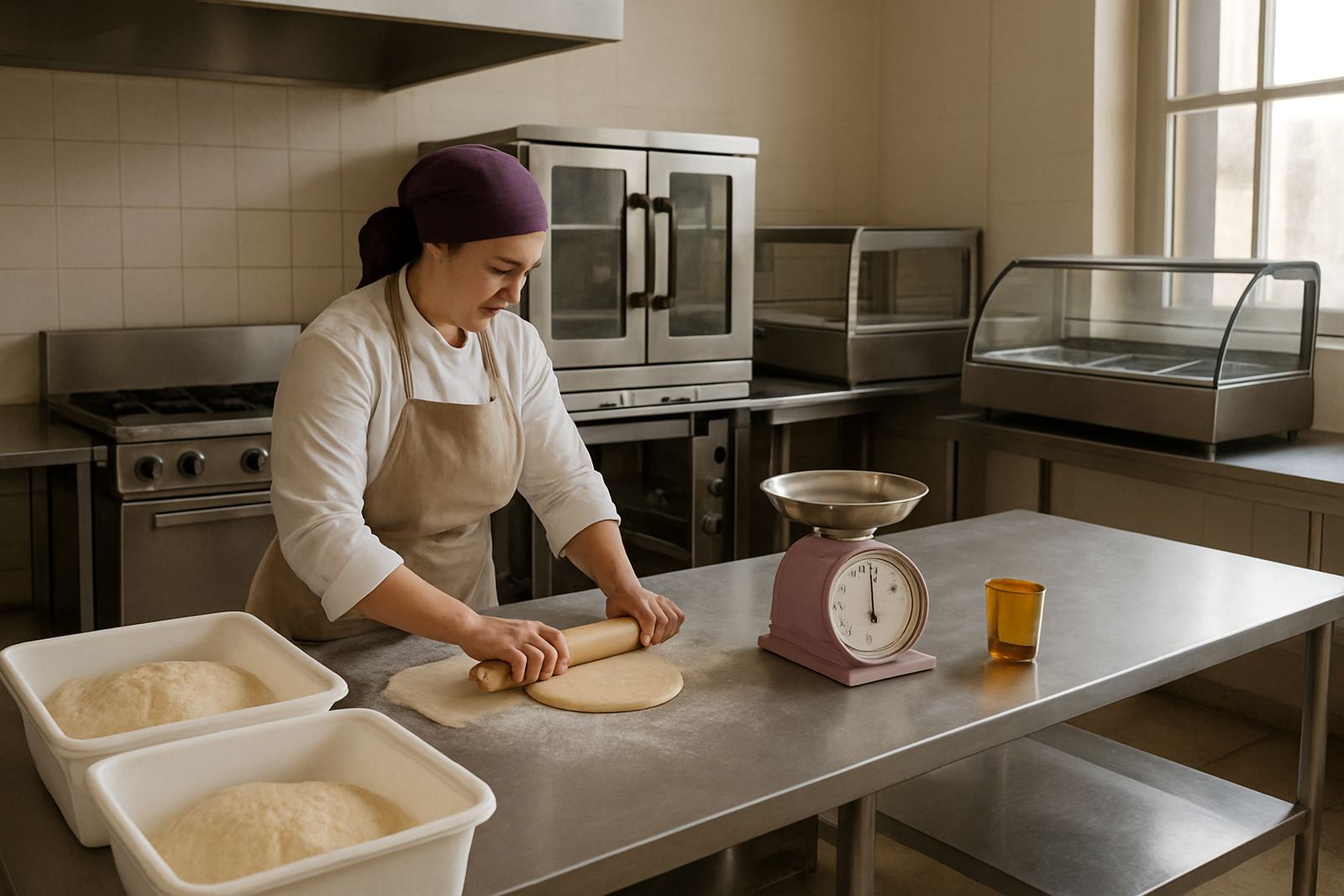
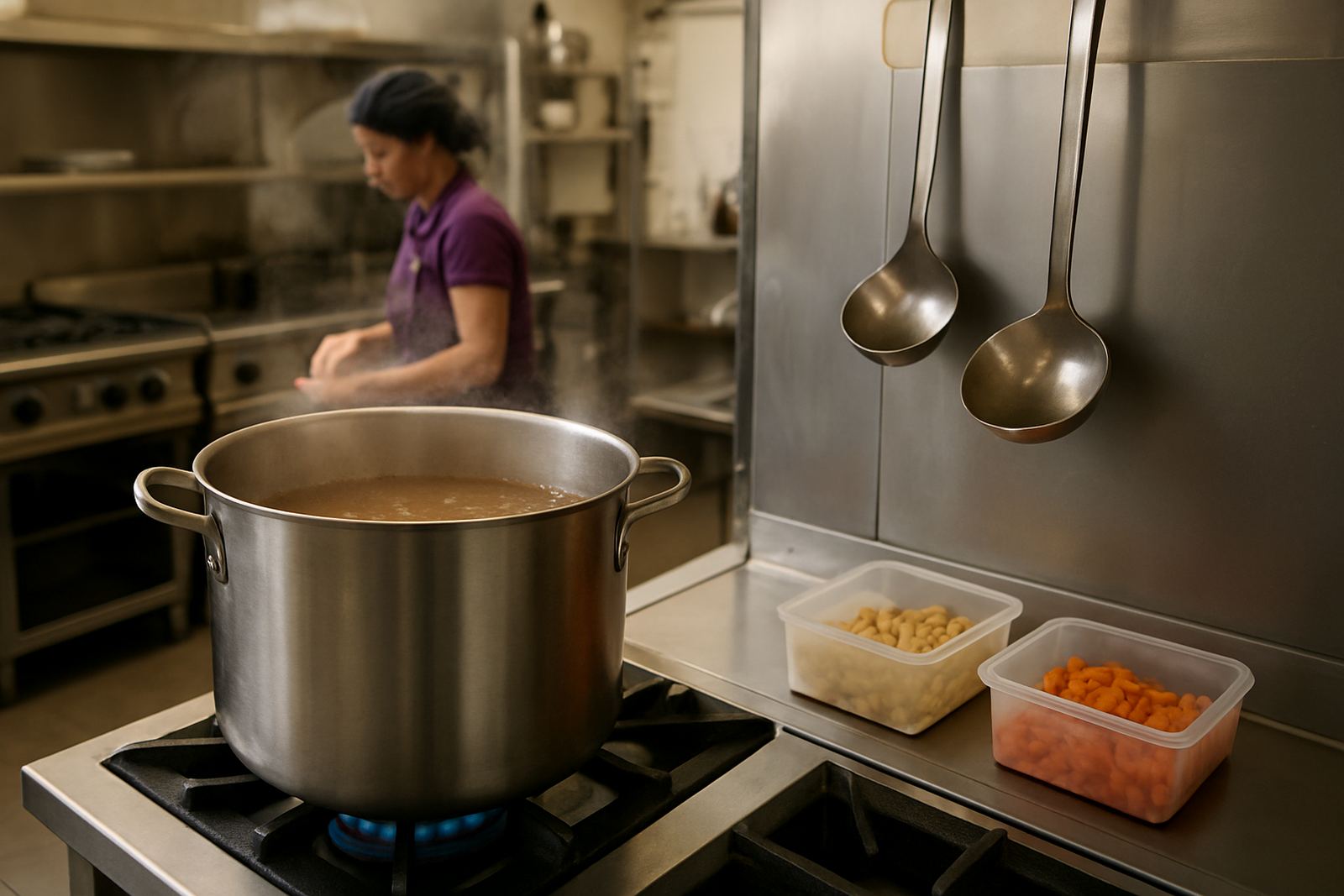
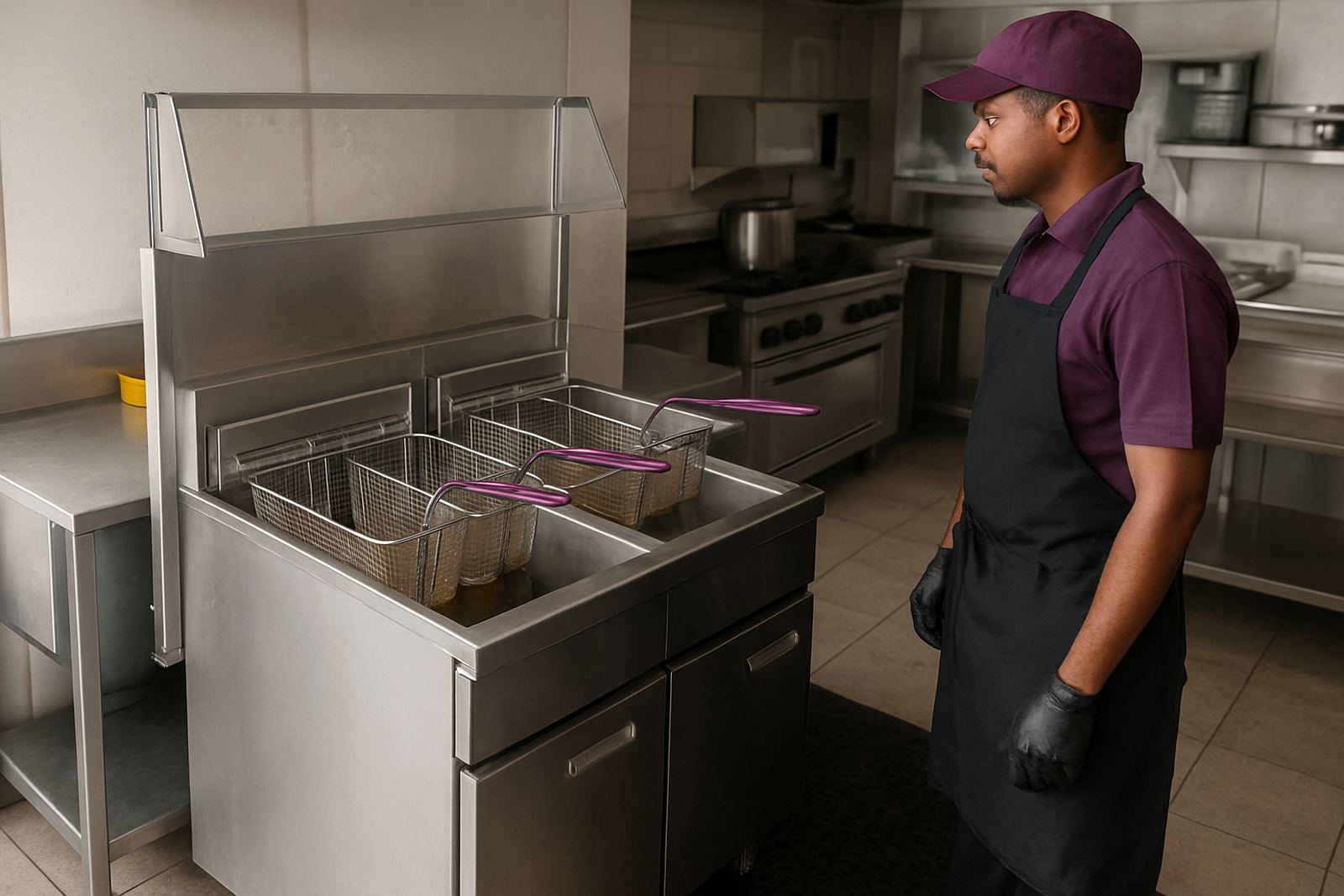
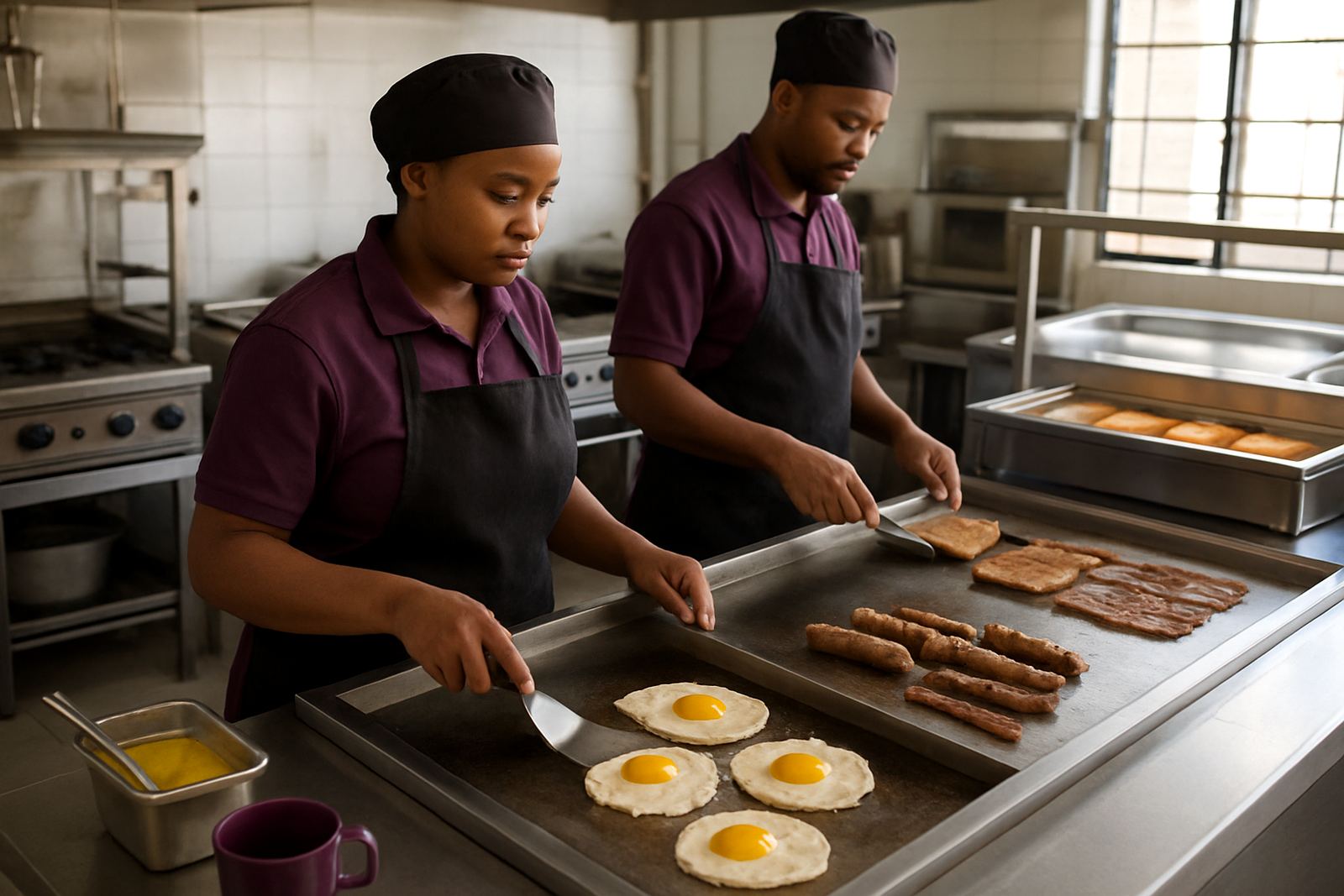
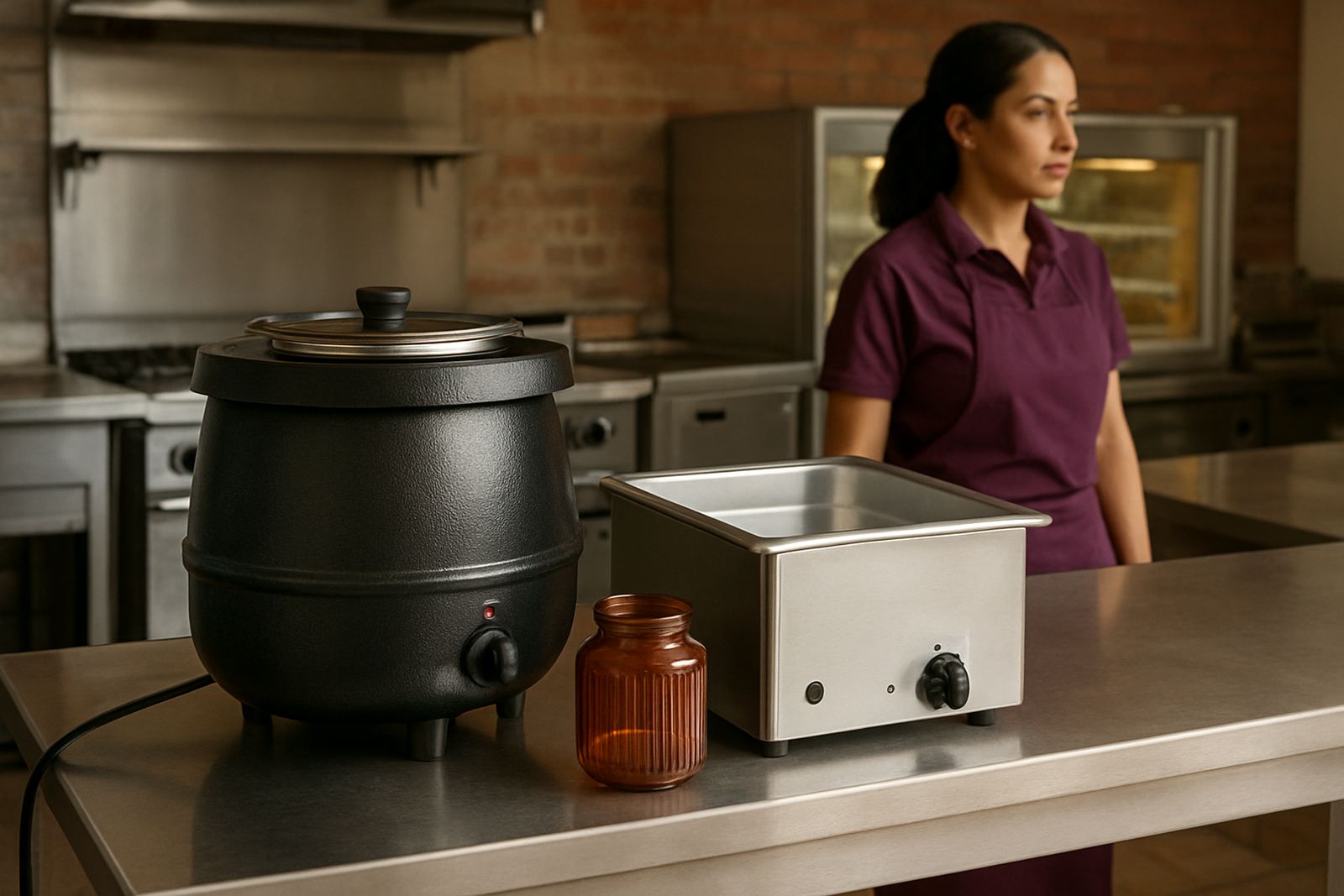
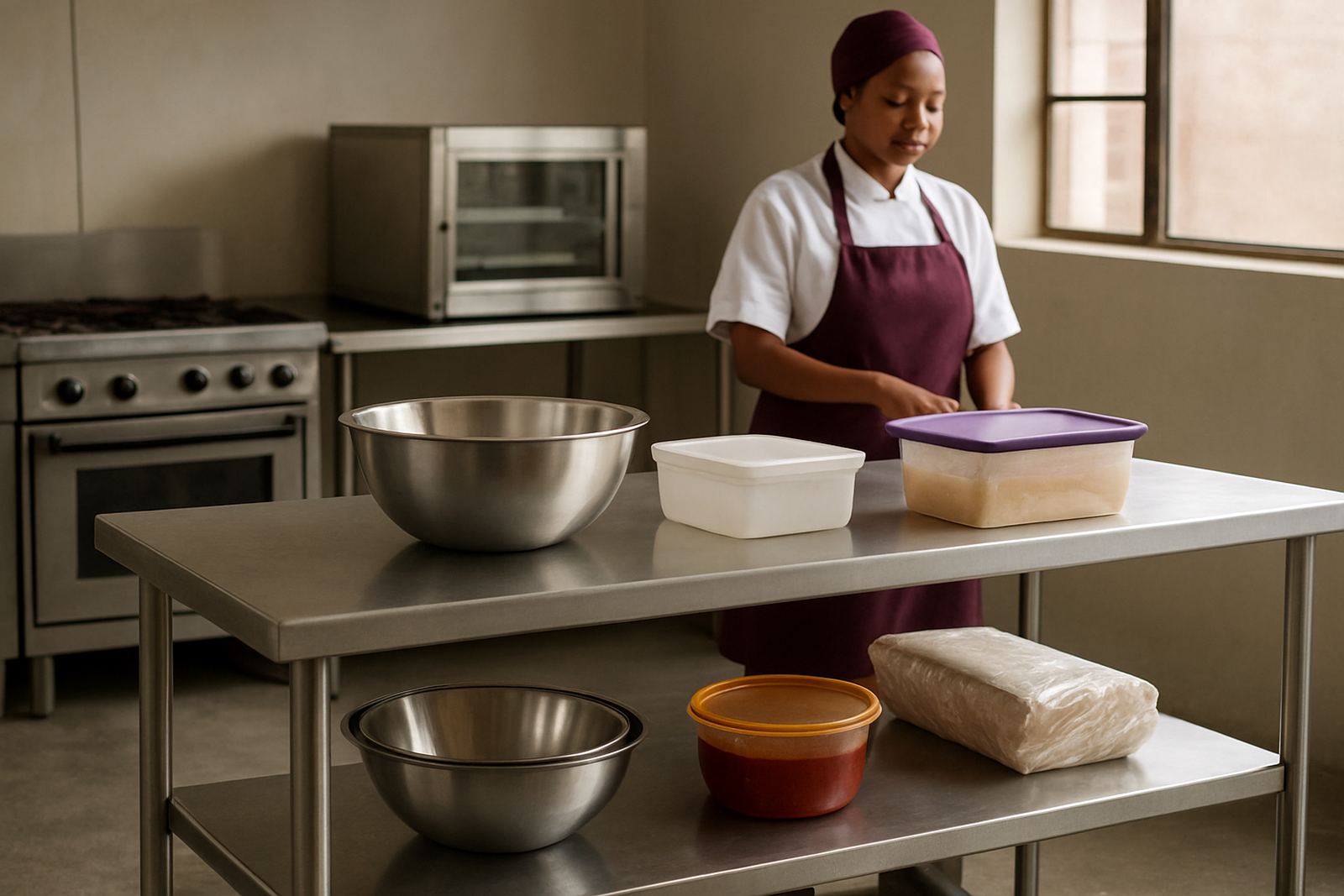
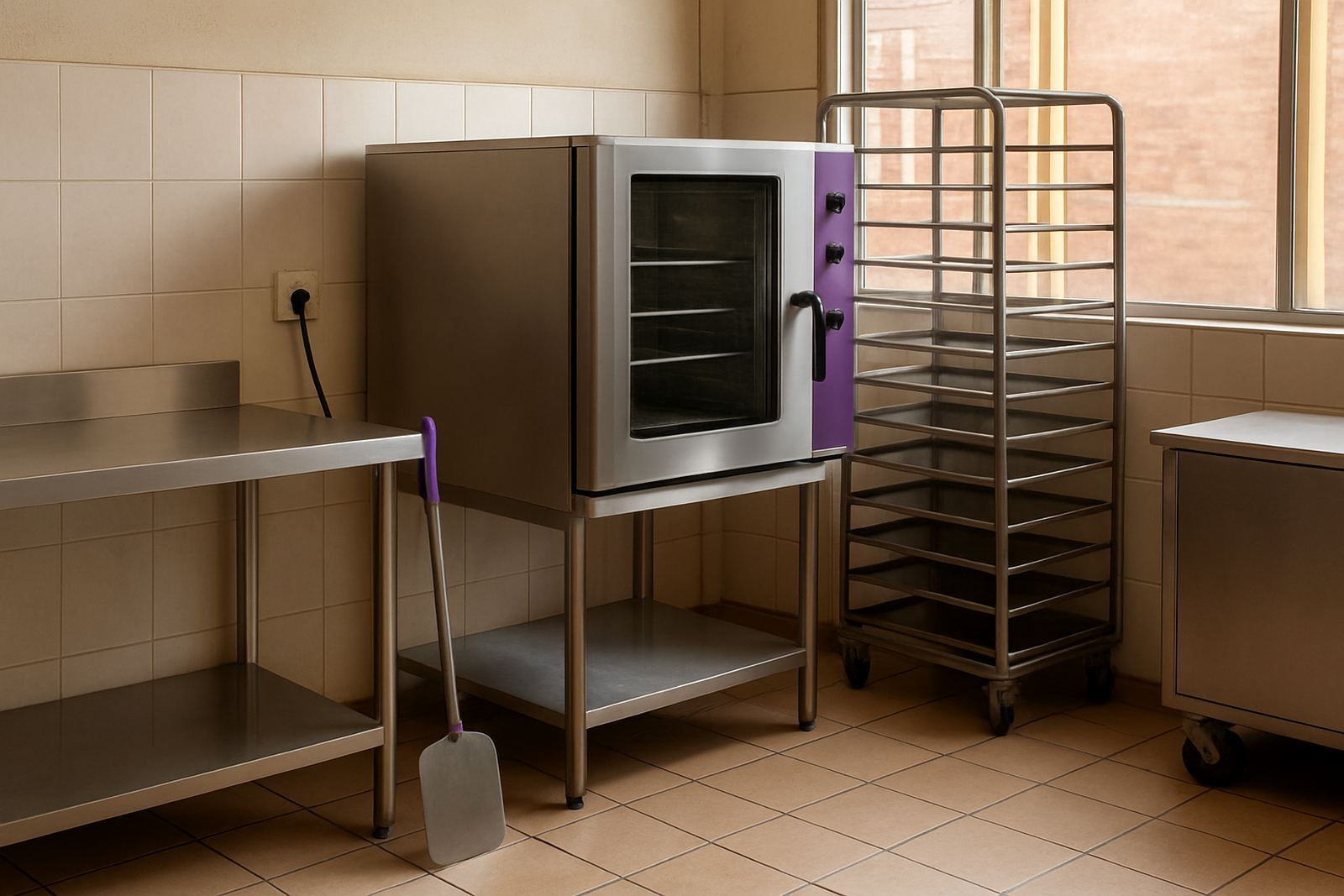
Start with what leaves the pass every day. A takeaway that runs burgers, chips and breakfast trays needs different kit to a bakery, butchery or school canteen. If the menu changes through the day, look for equipment that can take pressure at peak times and still clean down fast before the next service.
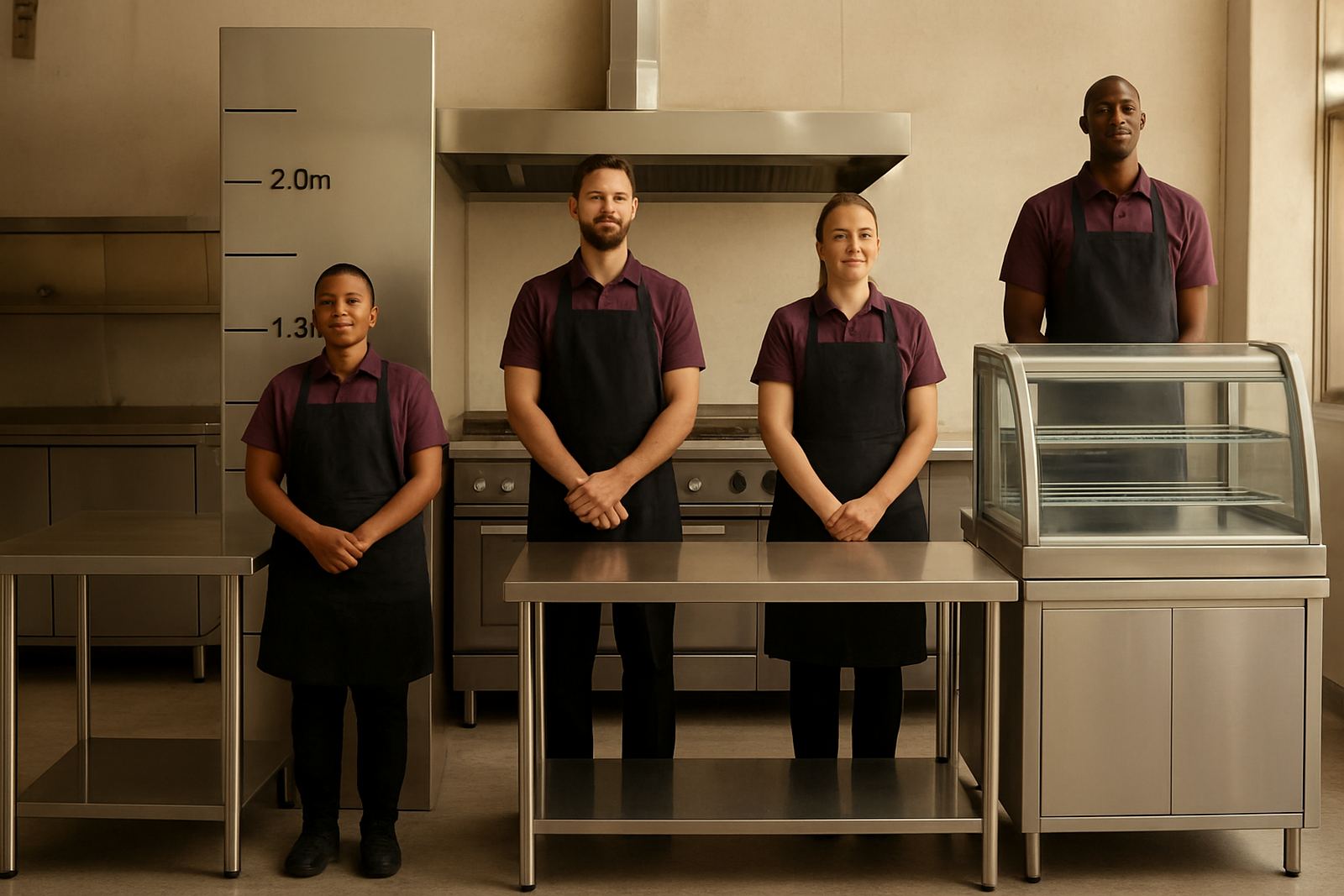
For Benoni, Boksburg and the wider East Rand, we usually ask about output, storage and power or gas supply before anything else. A table that is too small slows staff down, while a range that is too large can waste space and raise utility costs. The best choice is the one that suits your line, your team and the way customers collect food.
- Match the unit size to your busiest 2 hour window, not the quiet part of the day.
- Allow space for trays, pans and plated orders so staff are not crossing paths.
- Check whether the site has the water, drainage and extraction needed.
- Choose finishes that clean easily in humid or coastal conditions where corrosion becomes a real issue.
Layout Notes For Busy Kitchens And Takeaways
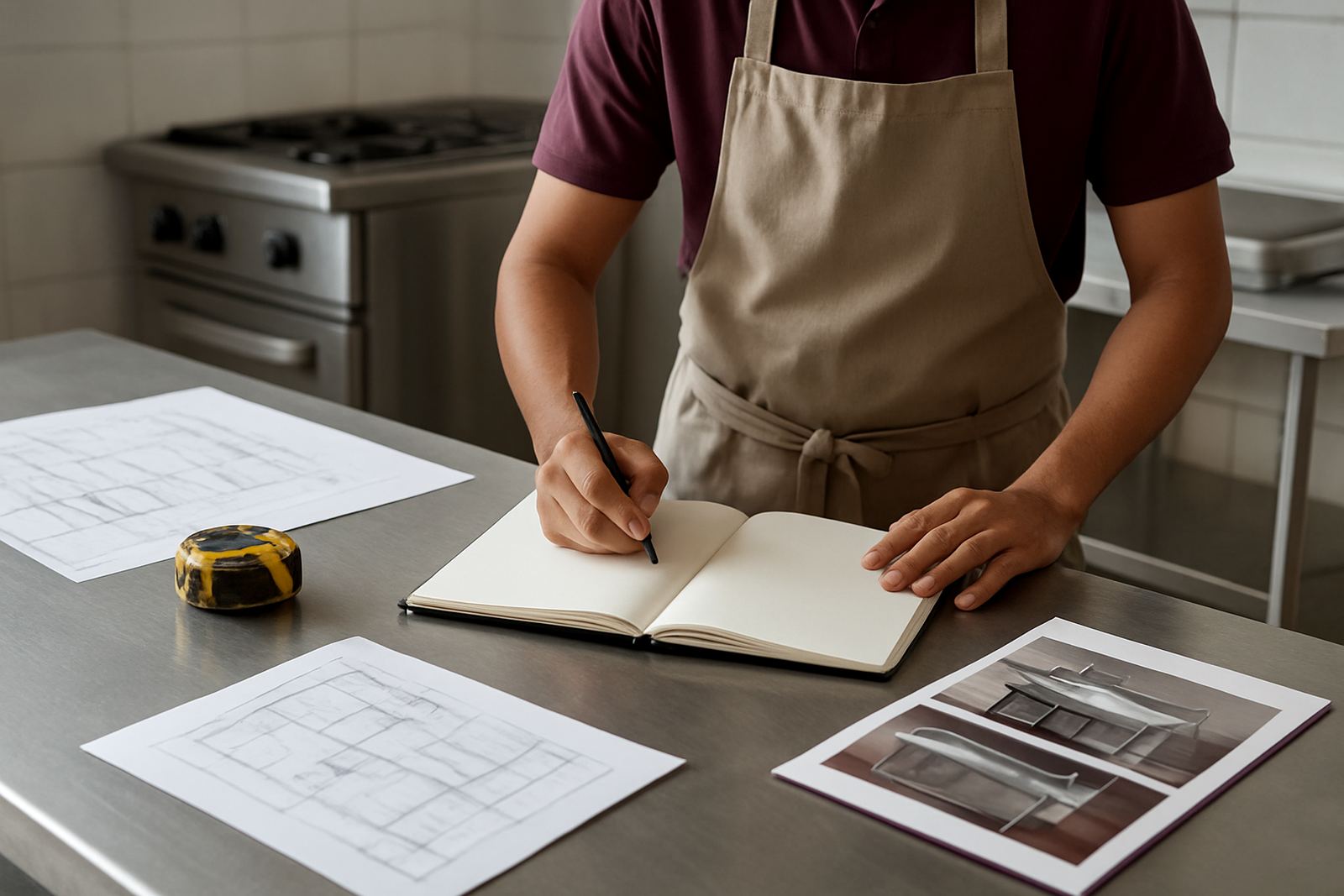
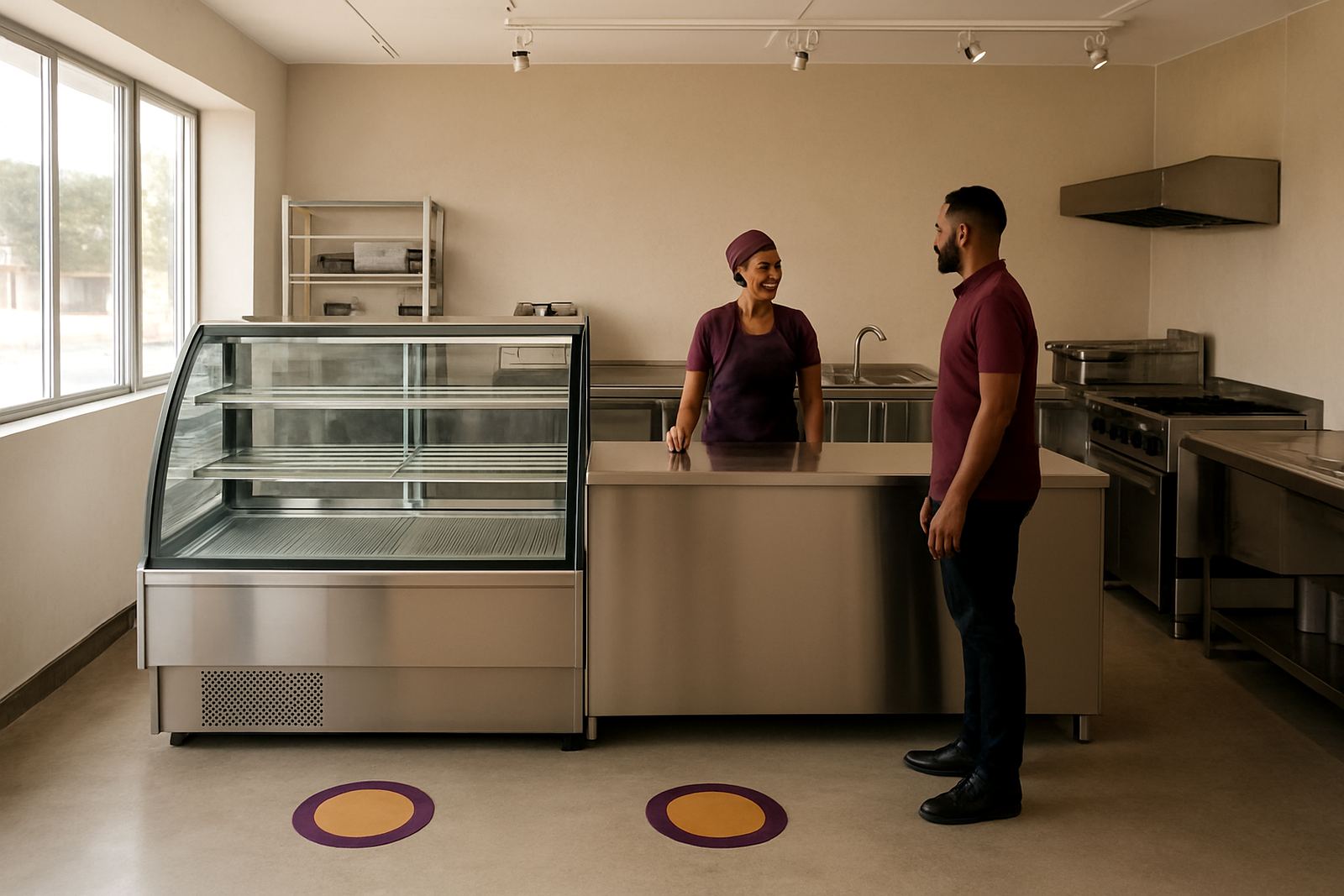
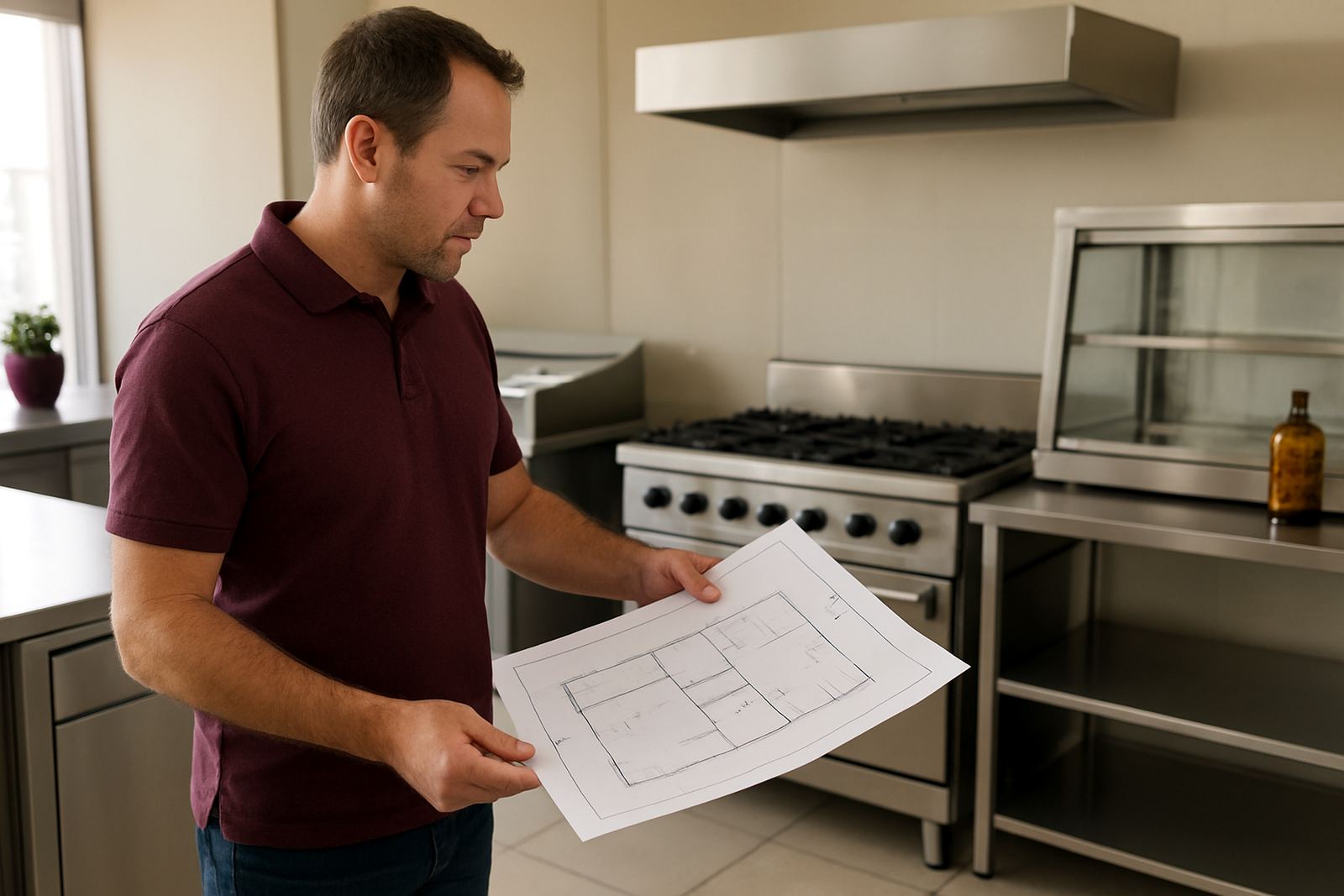
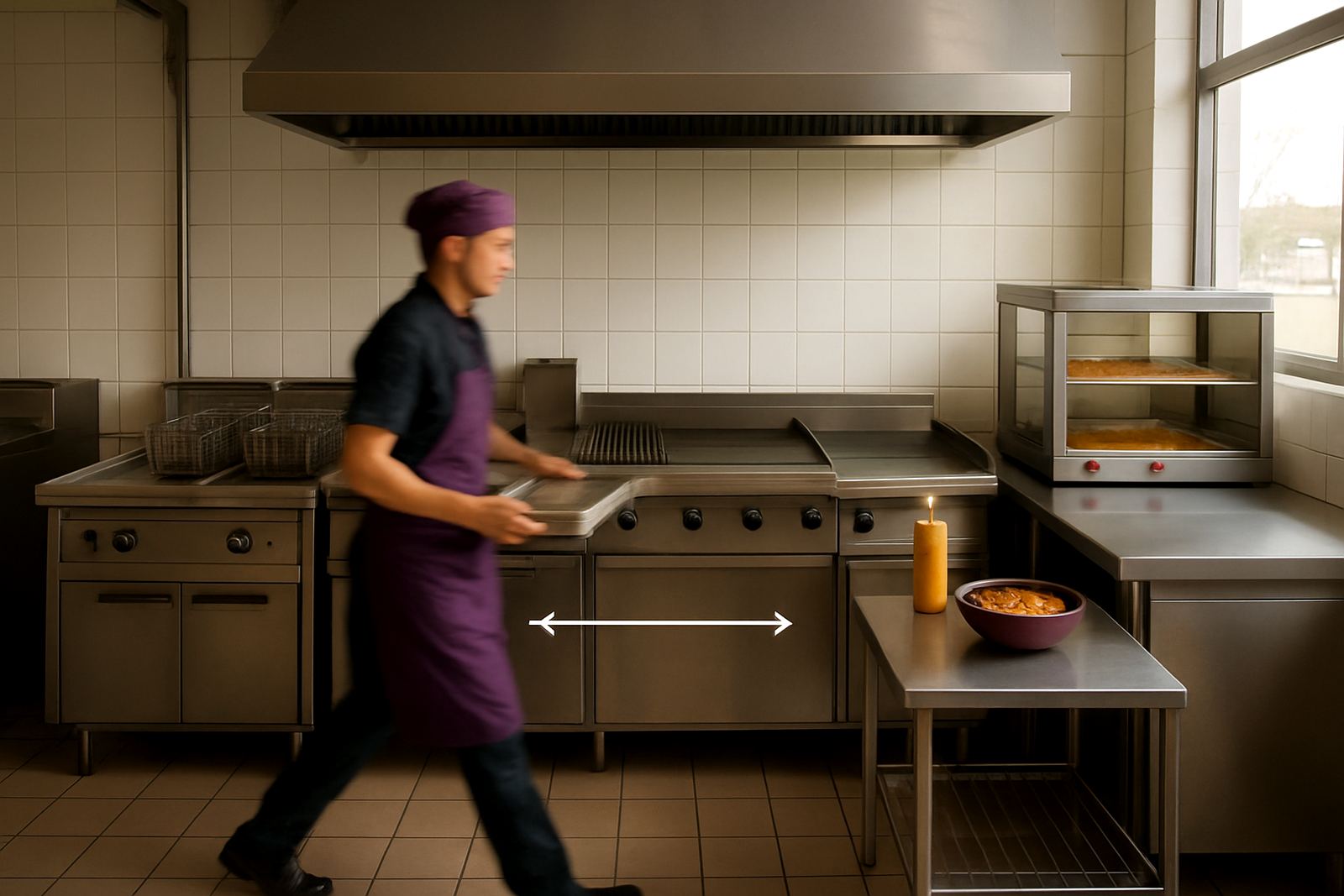
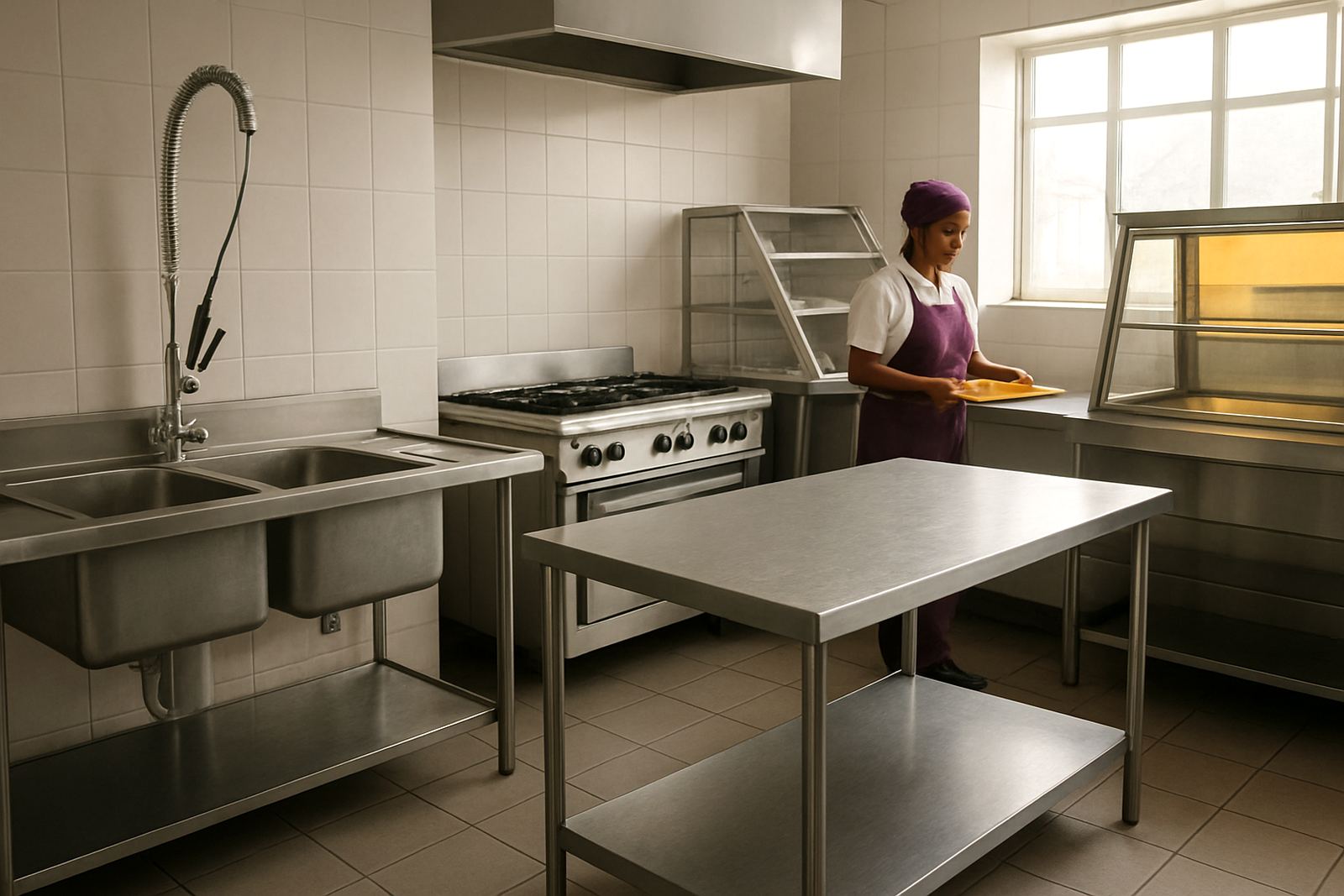
Good layout saves steps. Prep, cook, hold, serve and wash-up should flow in one direction where possible. When staff keep turning back for pans or ingredients, the room gets crowded and mistakes start. In a small kitchen, even 300 mm of extra working space can help a lot.
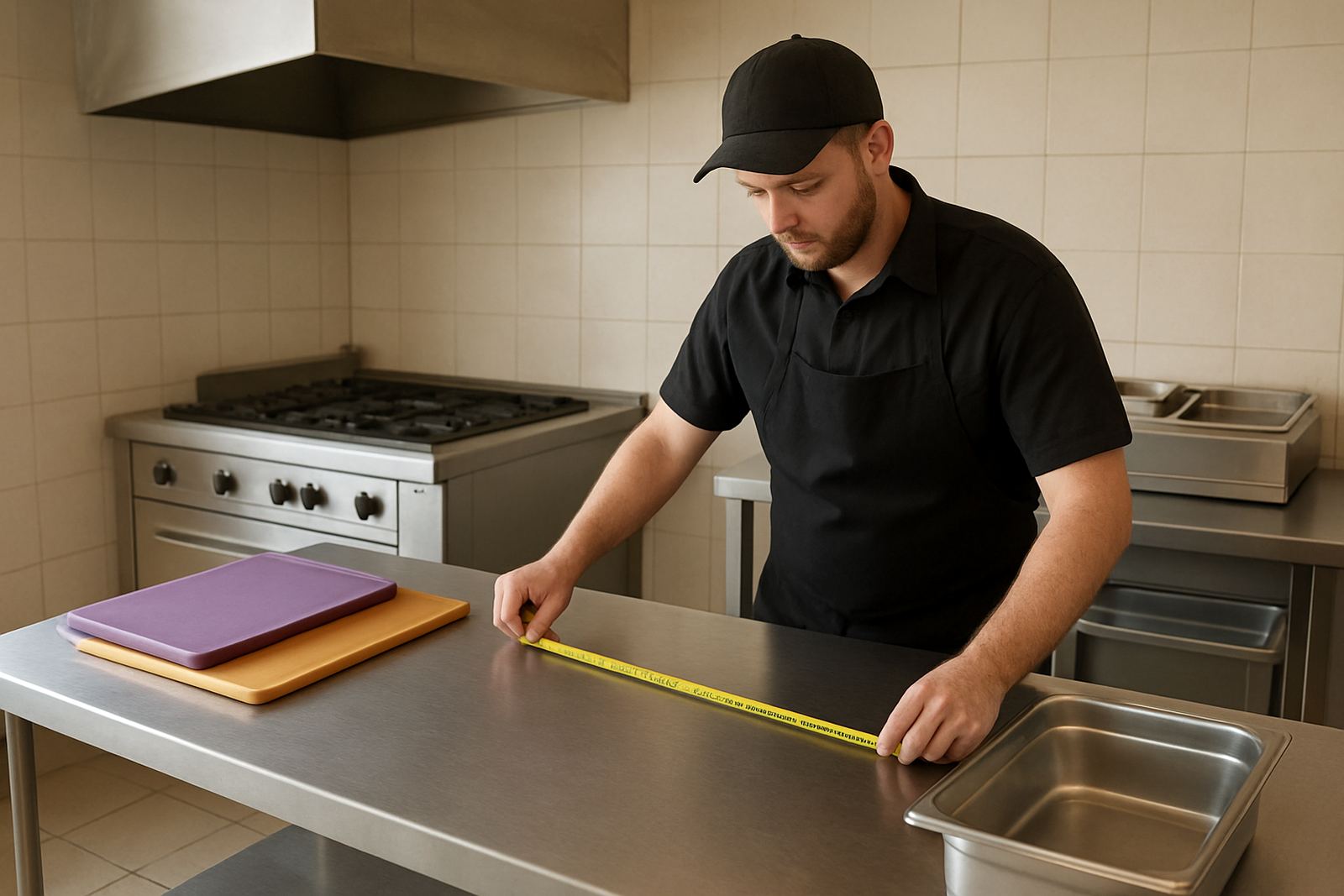
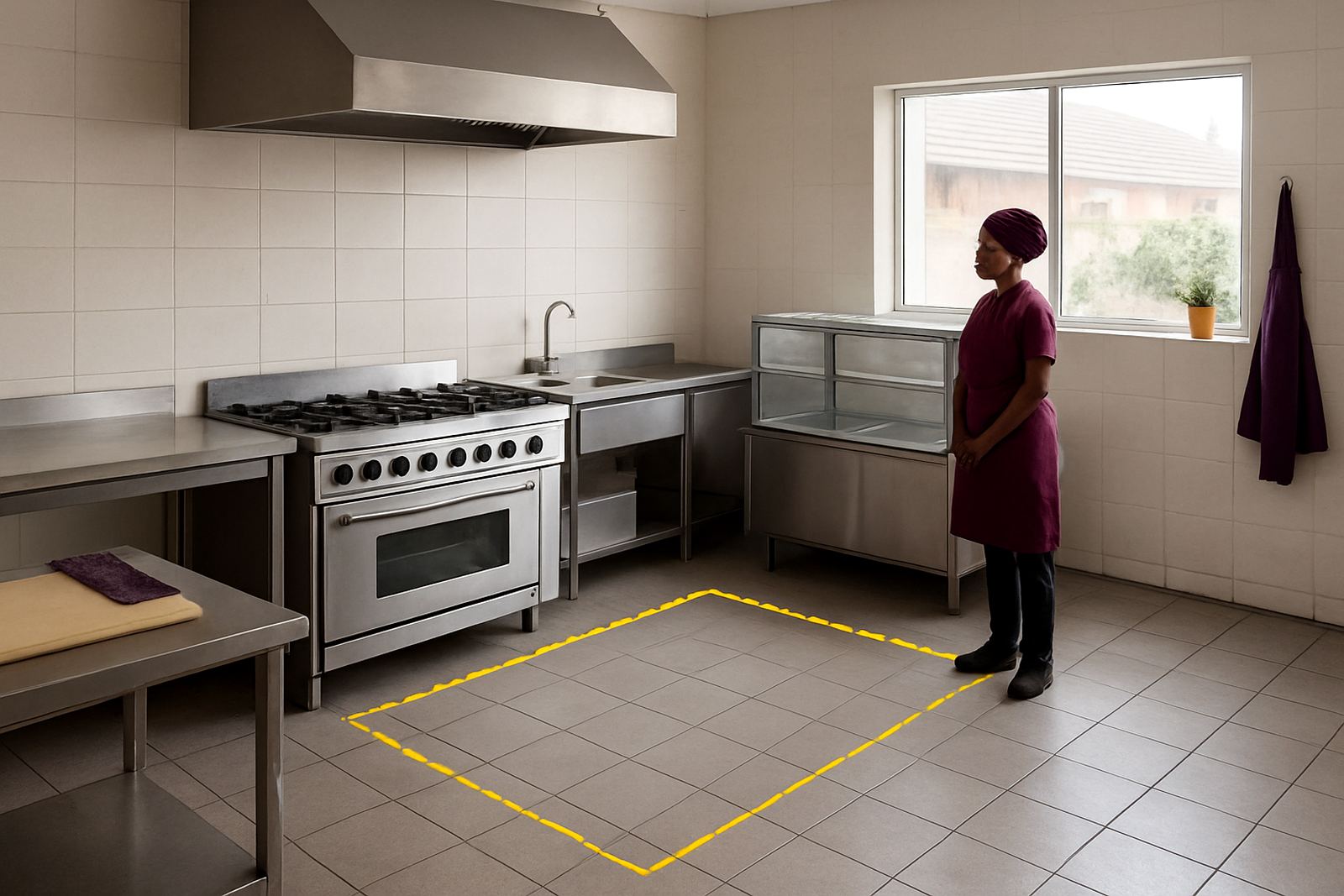
We often recommend site measuring before any custom work. That avoids problems with door clearances, uneven floors, service points and low ceilings. In older buildings across Germiston and Springs, extractor runs and drain positions can change what is possible, so it helps to plan the whole room, not just one unit. A proper layout also makes it easier to pass health inspections and keep the kitchen cleaner day to day.
- Keep raw and cooked zones separate where the menu requires it.
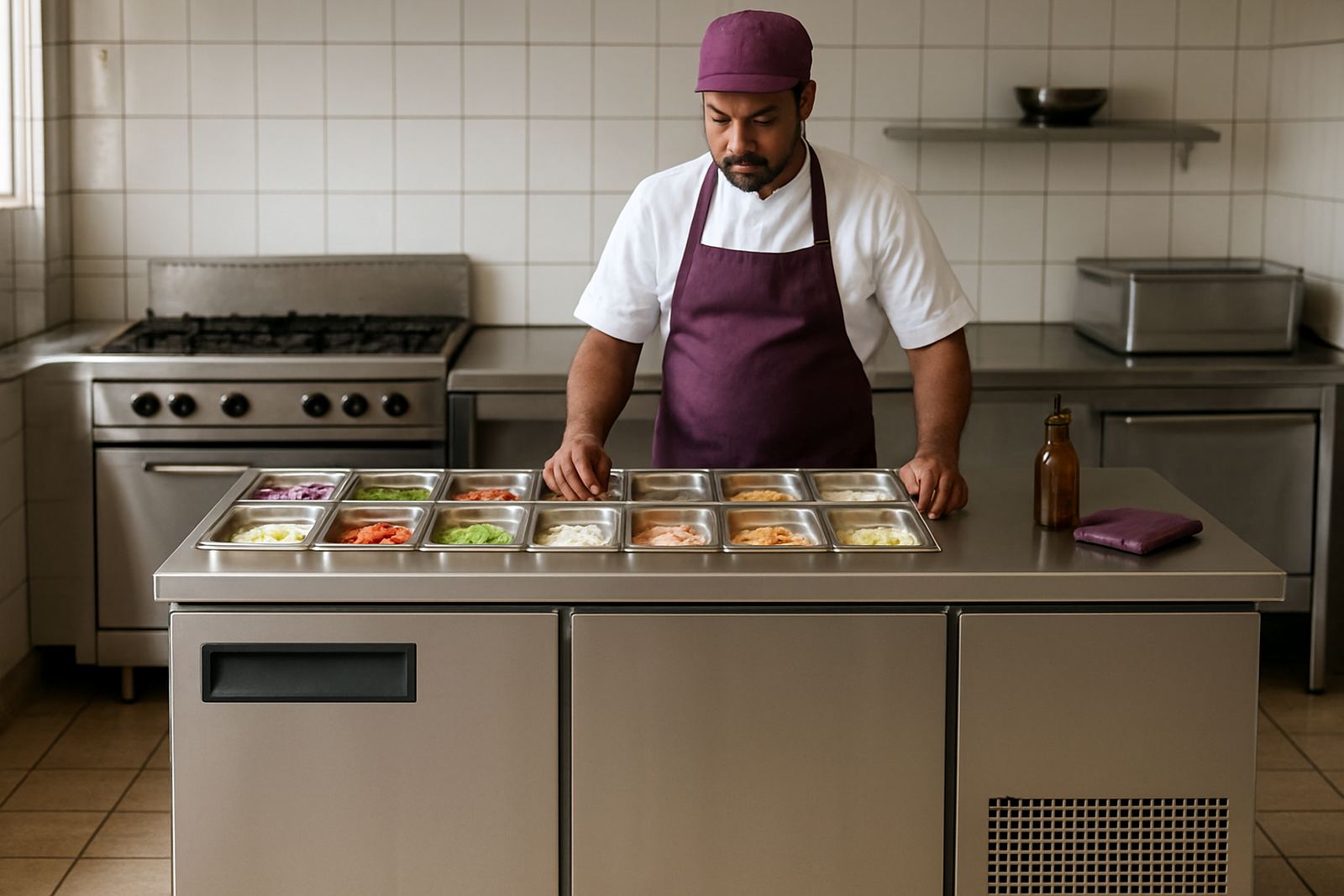
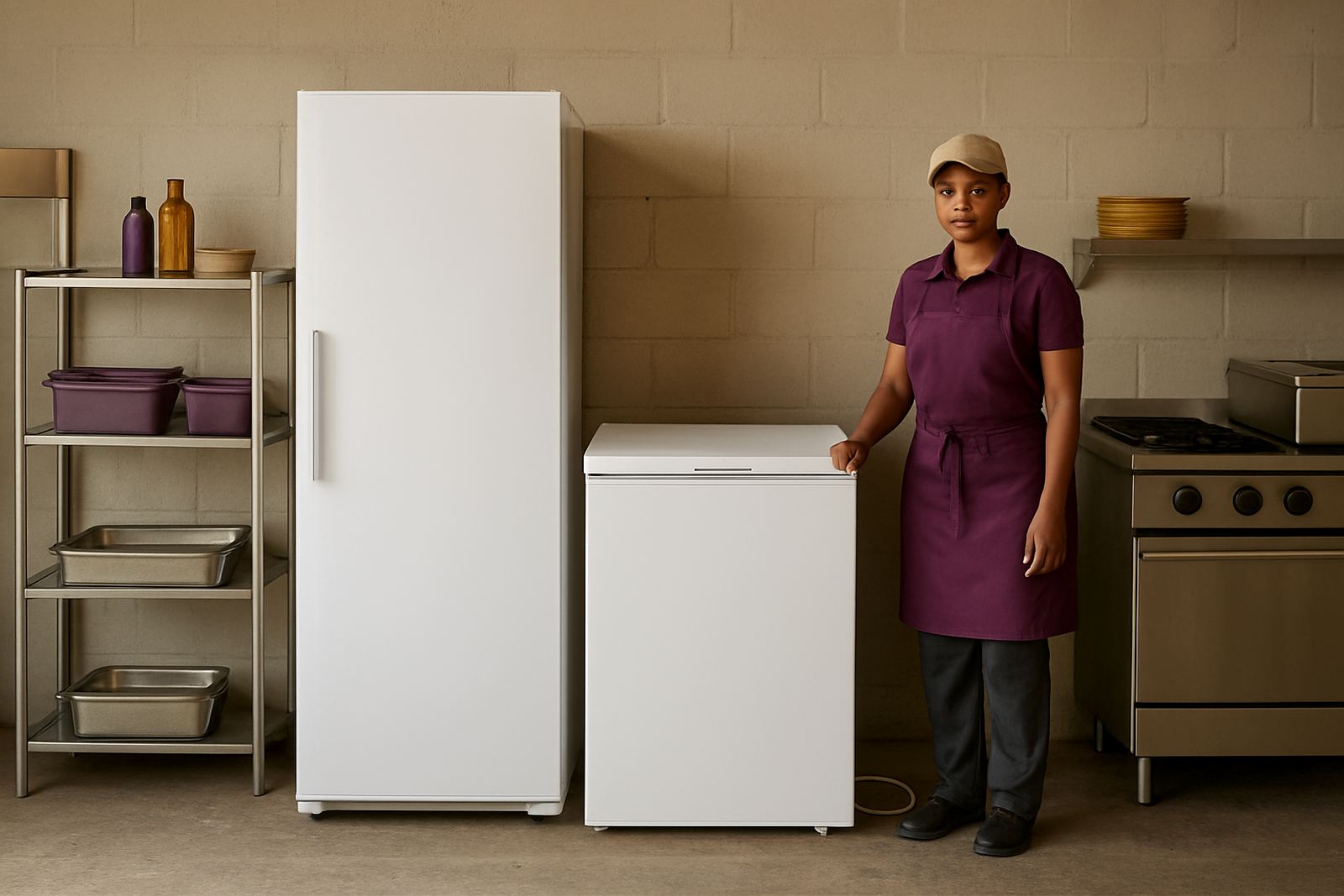
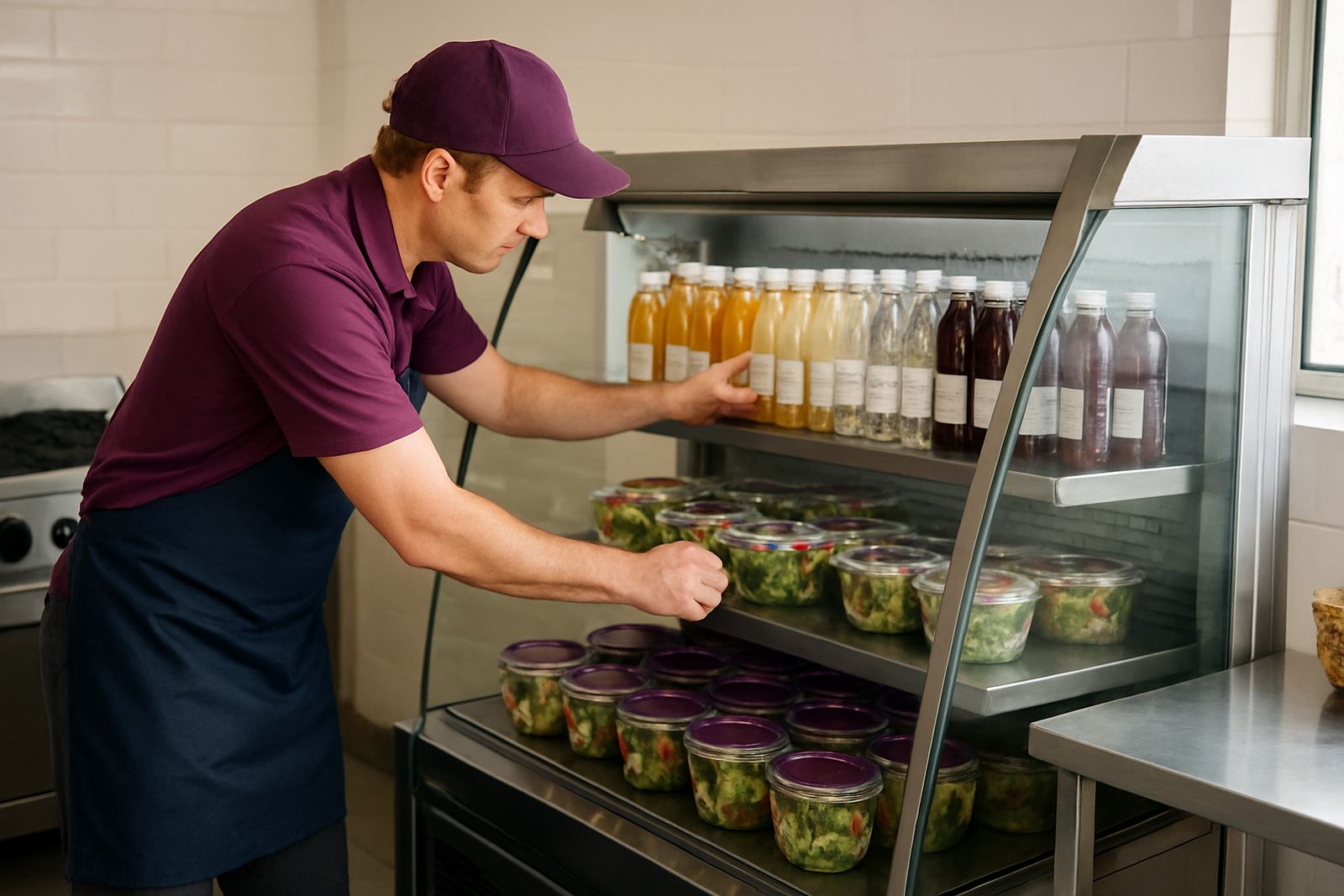
- Place cold holding near prep and hot holding close to service.
- Leave access for cleaning behind counters and under tables.
- Make sure trolleys and trays can turn without scraping walls or equipment.
Why Stainless Steel Holds Up Better In Daily Use
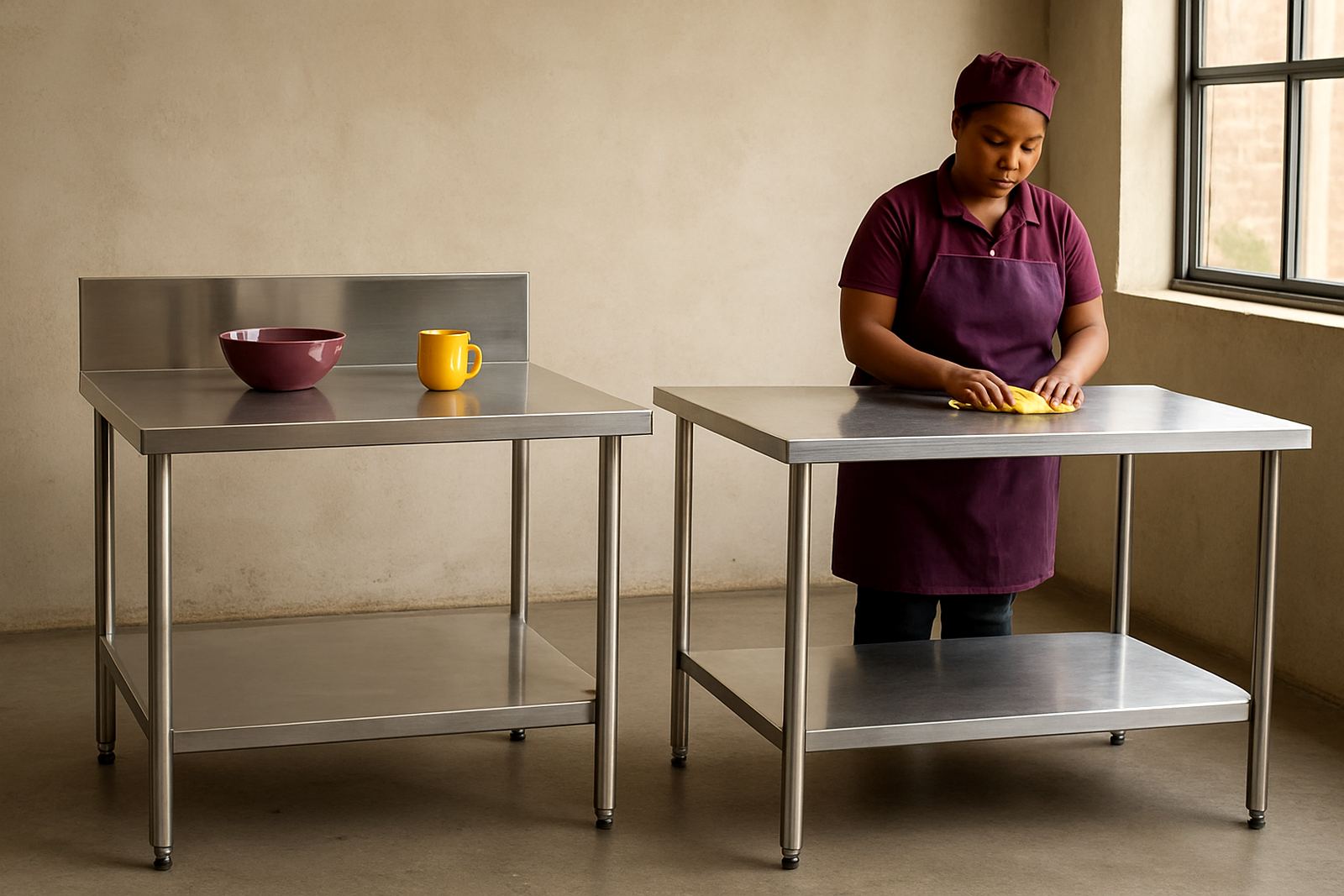
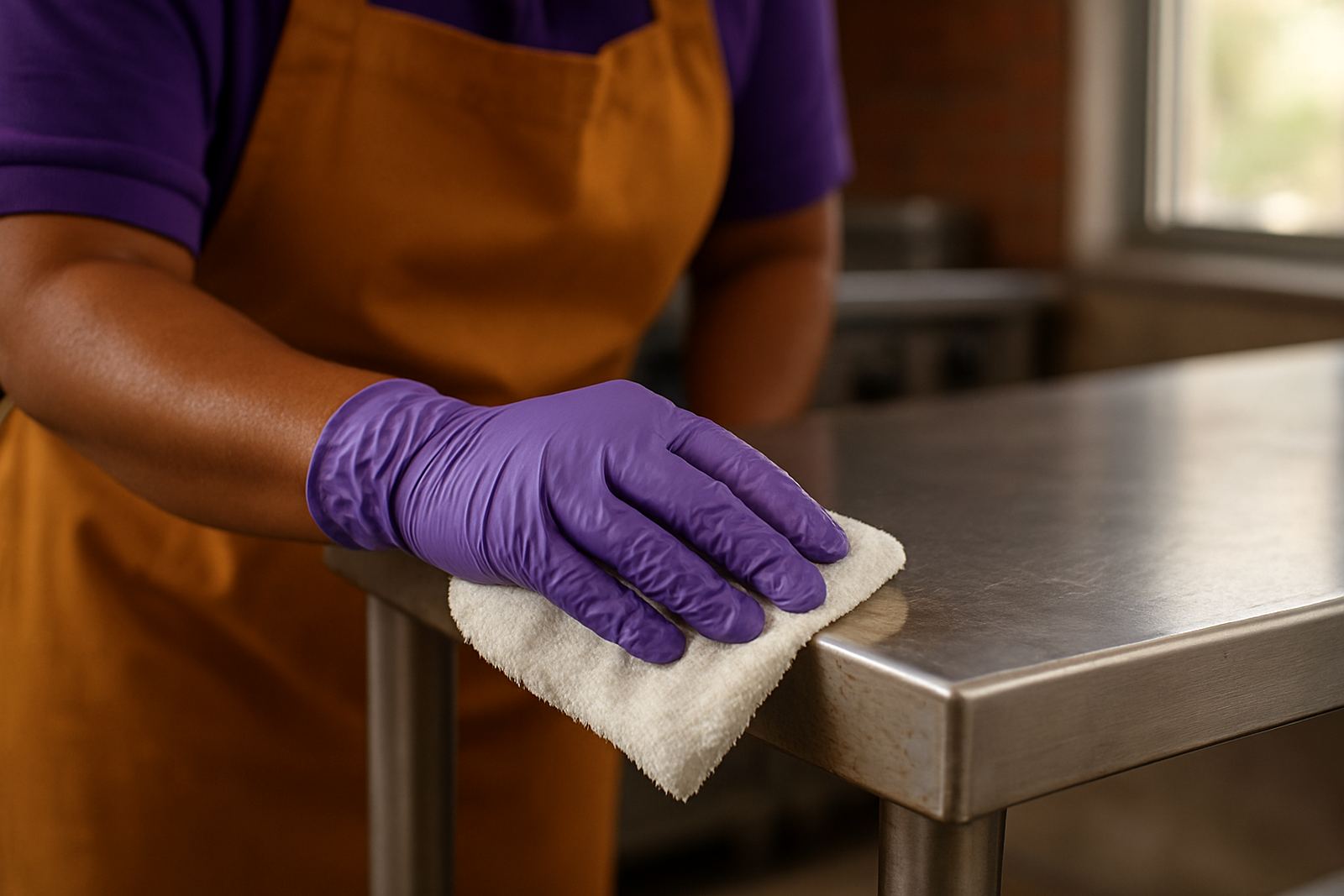
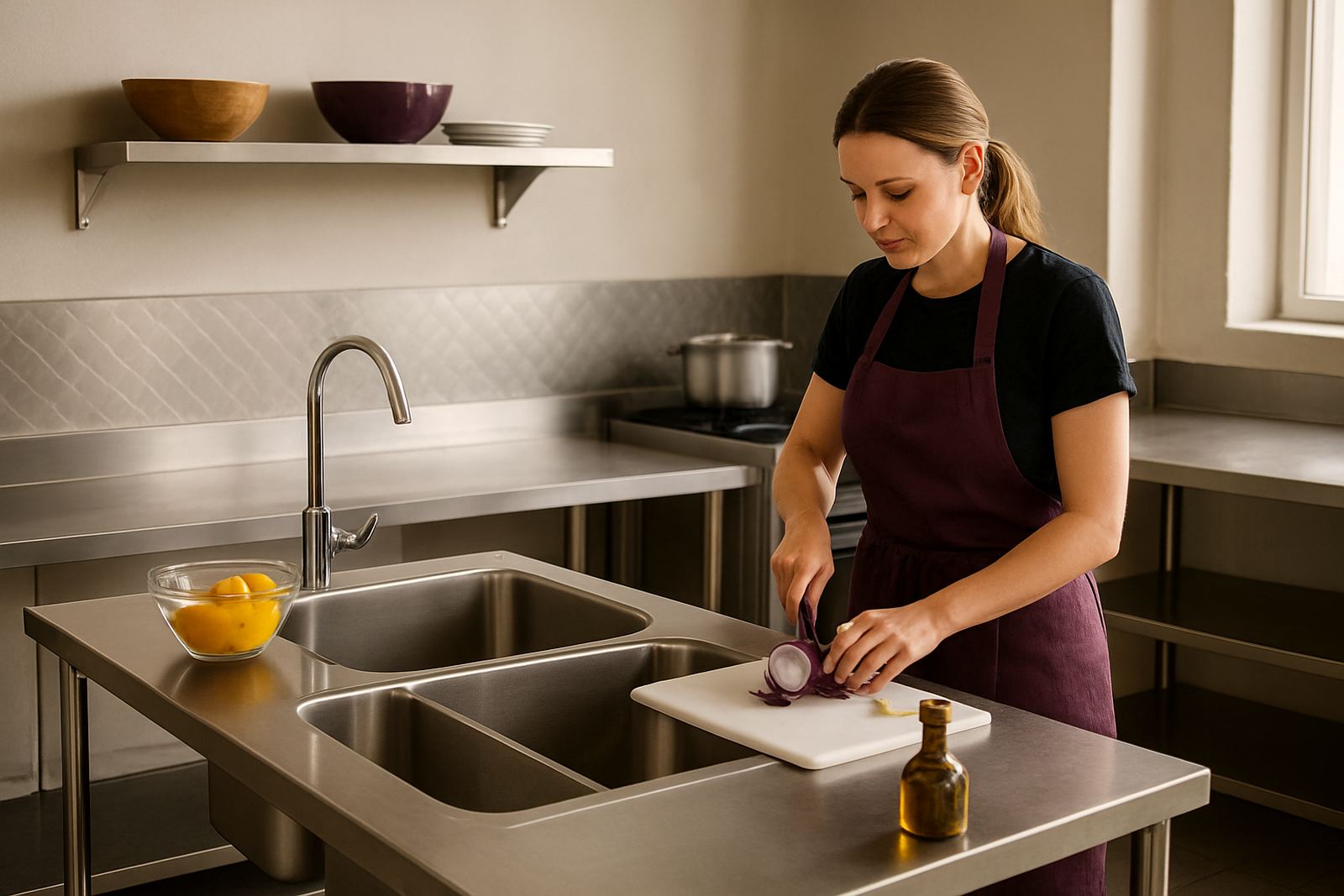
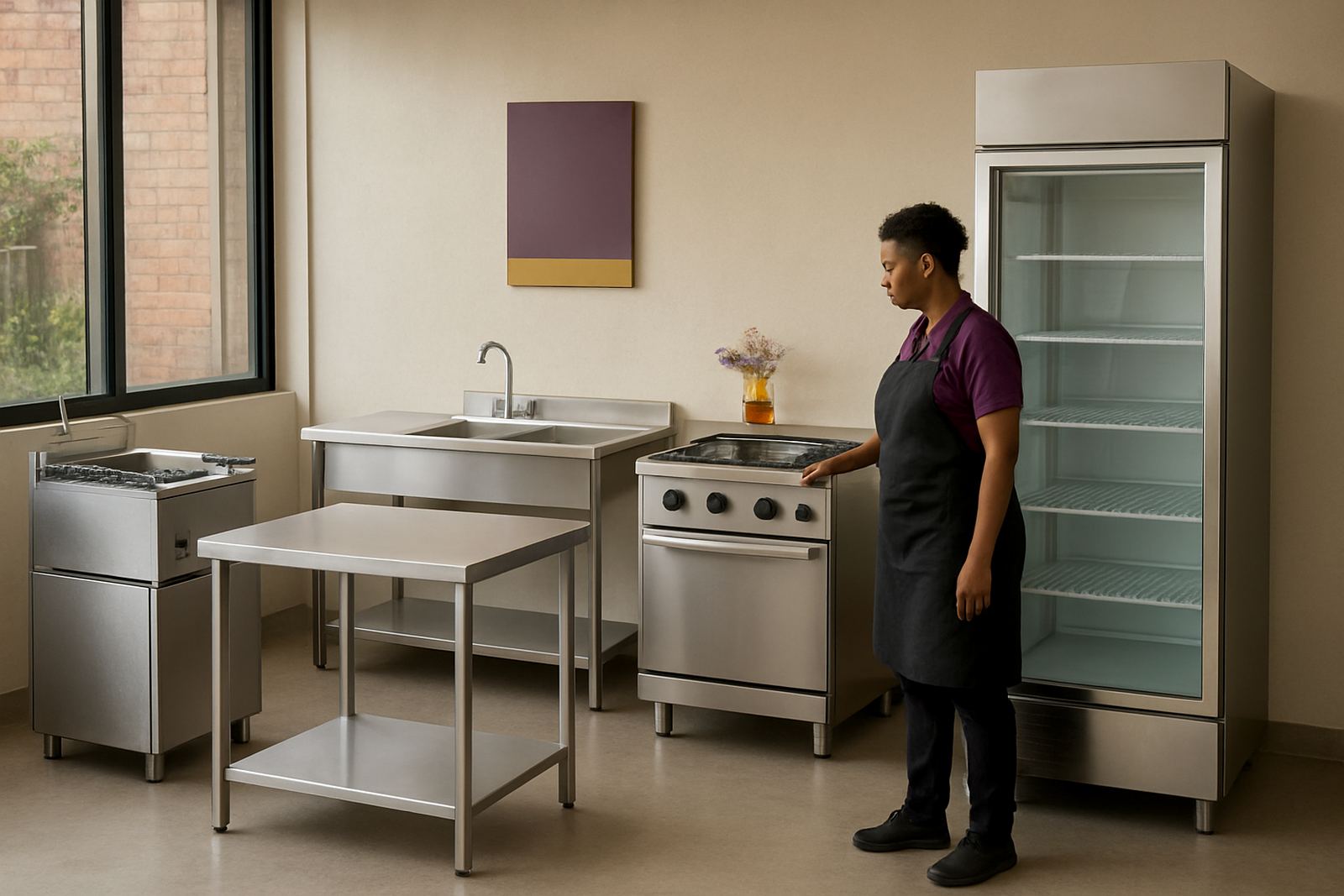
Most food operations need surfaces that can handle water, heat, detergent and constant wiping. Stainless steel is still the sensible choice for prep tables, sinks, counters and shelving because it resists stains and cleans down quickly. It also suits kitchens that must work through load-shedding with backup power or gas equipment, since the surfaces do not suffer from regular heat exposure the way some lighter materials do.
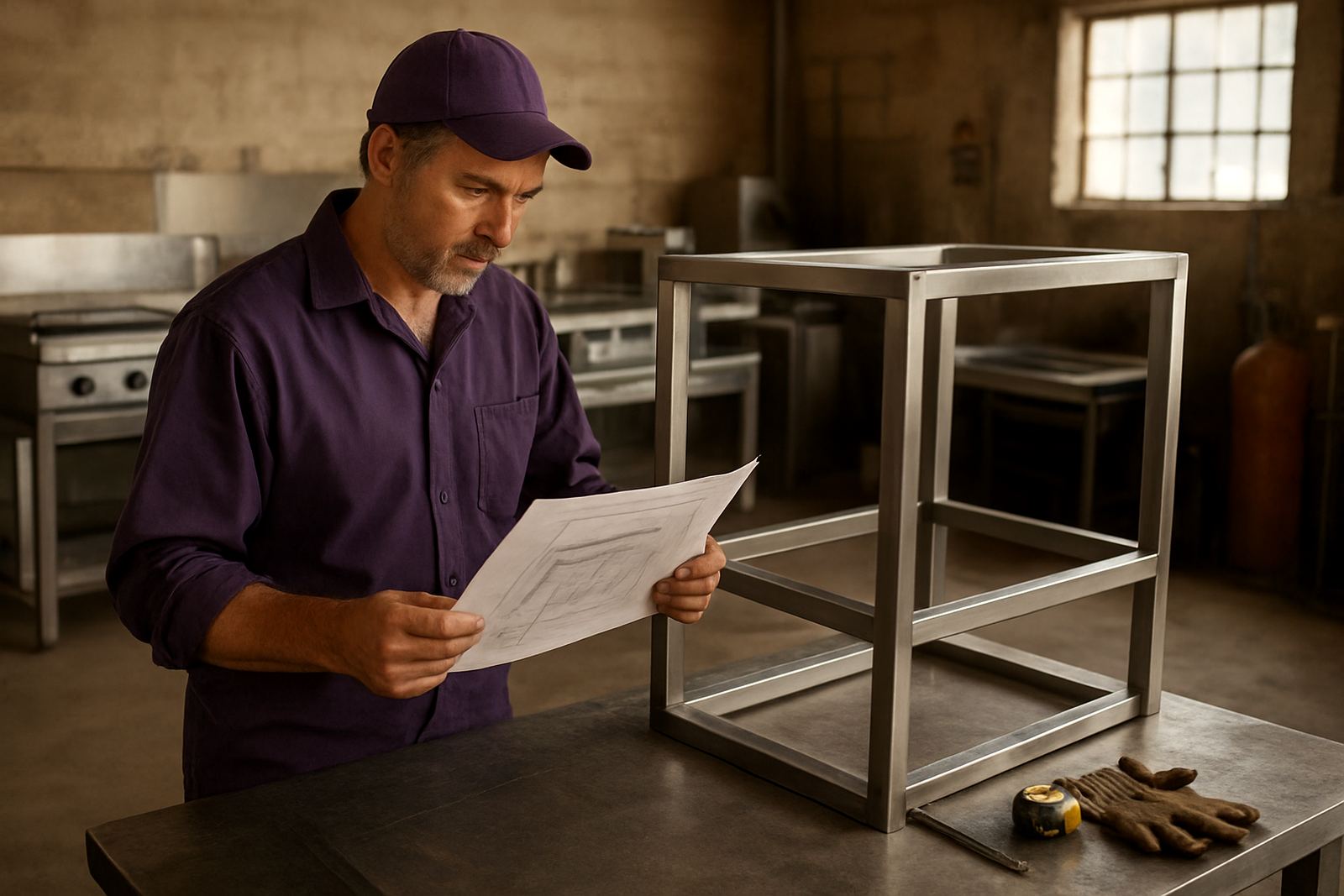
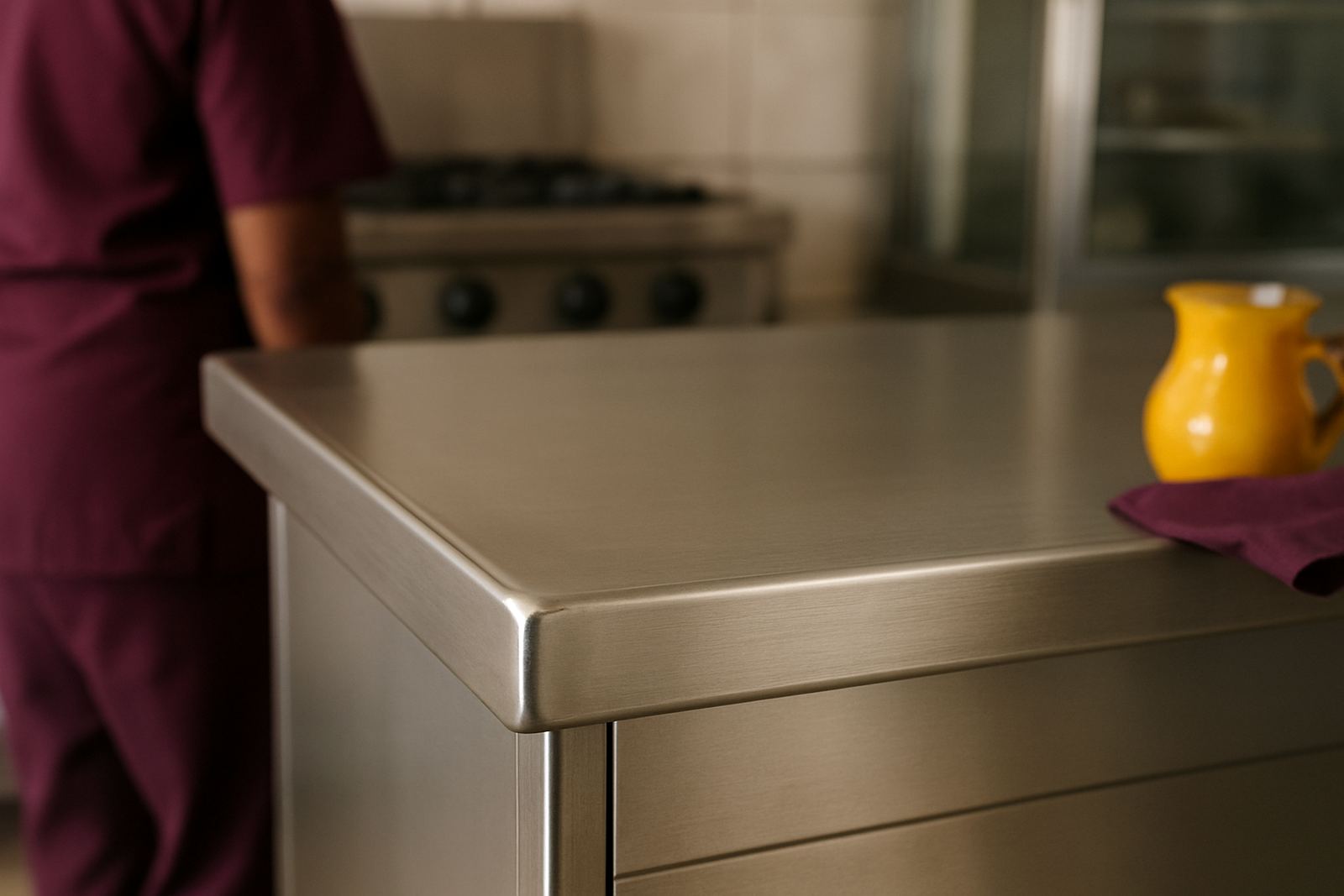
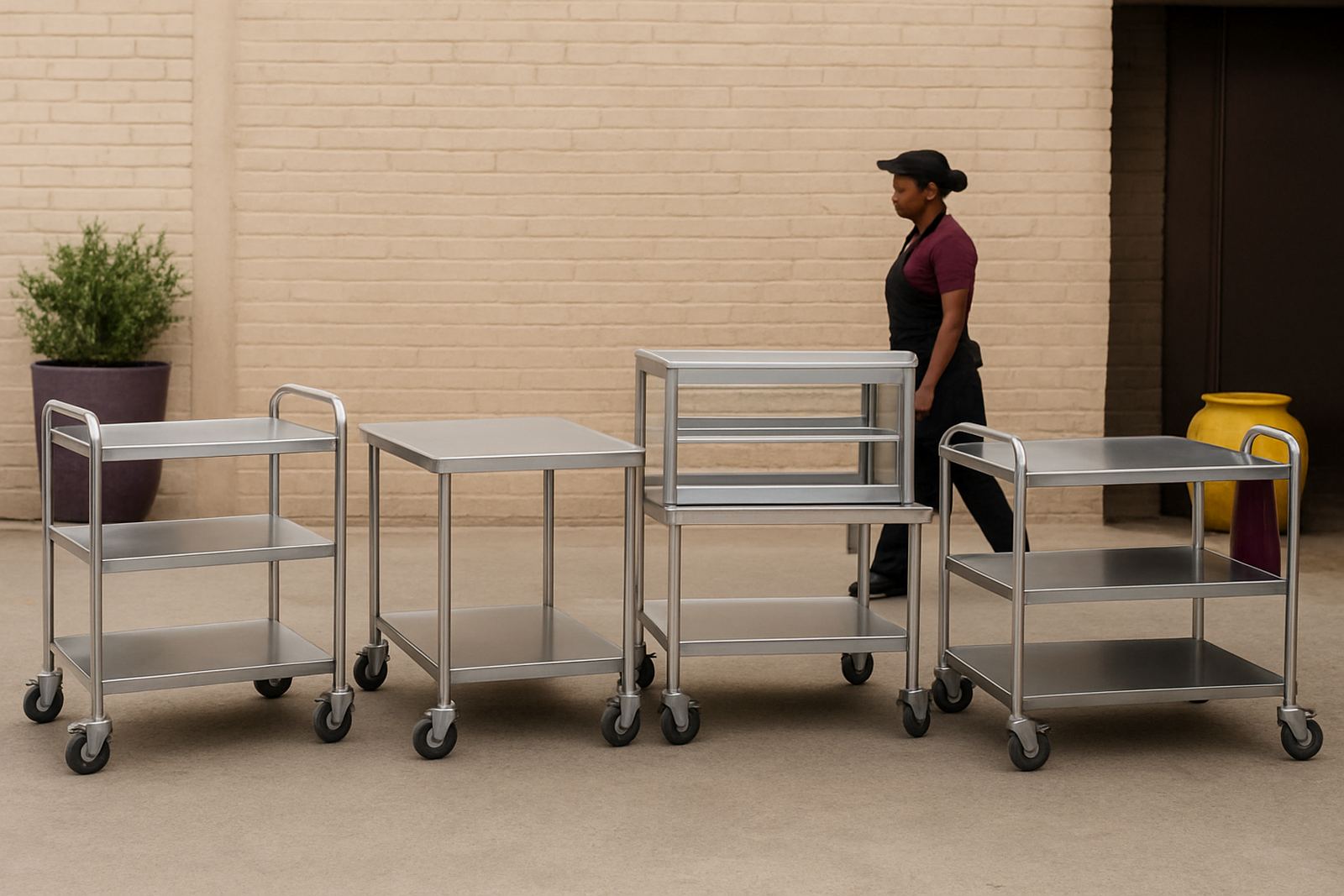
The finish matters as much as the material. Well-made edges, decent bracing and solid welds help reduce rattling, flex and trapped dirt. If a unit will be moved often, such as a mobile trolley or display base, the frame and castors need to be strong enough for daily handling, not just occasional use.
Common Custom Jobs For Local Food Operations
Many kitchens do not need a full refit, only a few proper changes to make the room work better. That is where custom fabrication helps. We are often asked to build around existing walls, counters and equipment so the business can keep trading while improvements are done in stages.
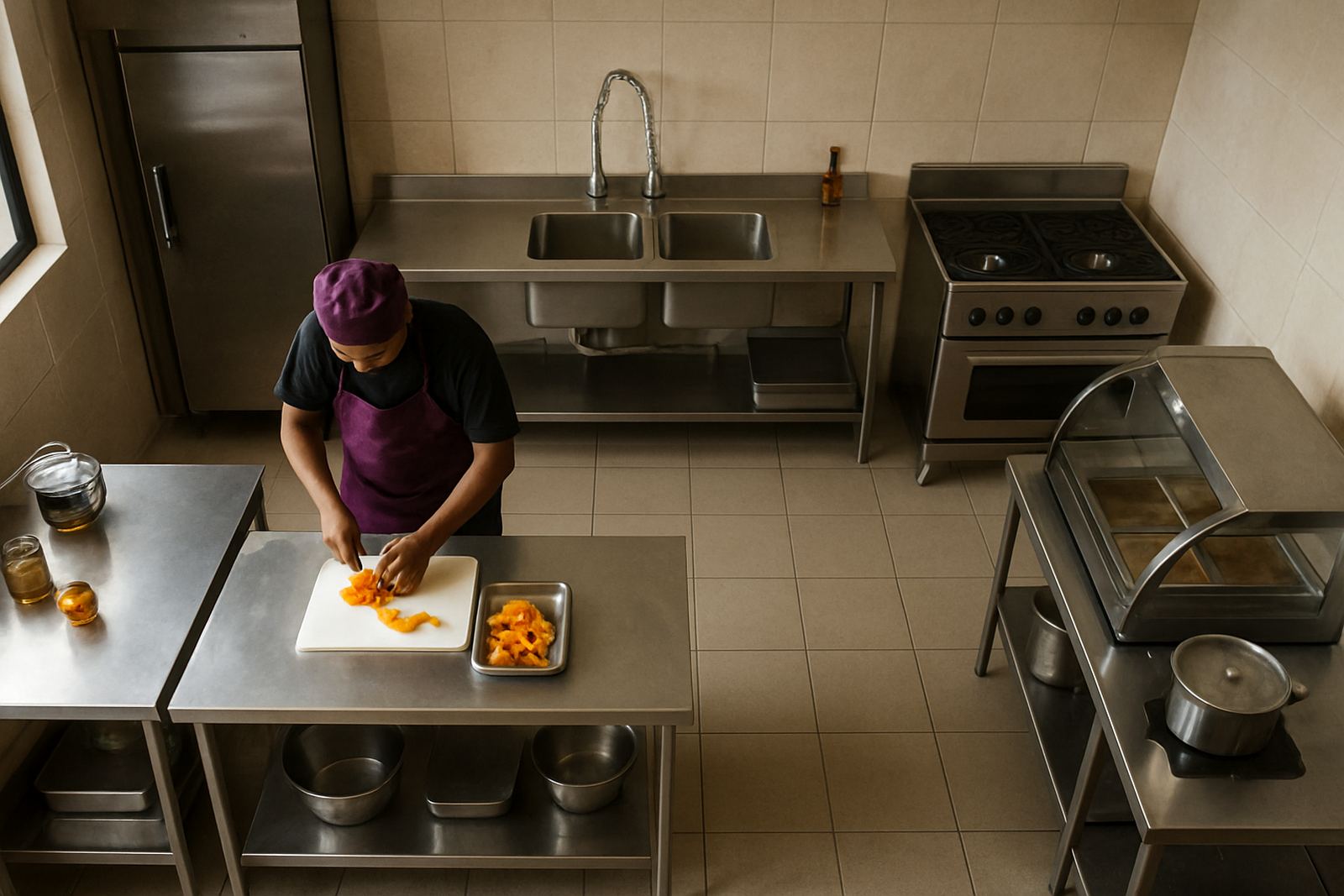
Typical jobs include additions to prep space, better wash-up areas, display support and safer storage. Some clients in Kempton Park need a quick counter modification for a new menu item. Others in Brakpan want shelving that takes more stock without blocking movement. Small changes can make a big difference when the team is under pressure.
- Custom prep tables for tighter work areas.
- Custom sinks with practical splash and drainage positions.
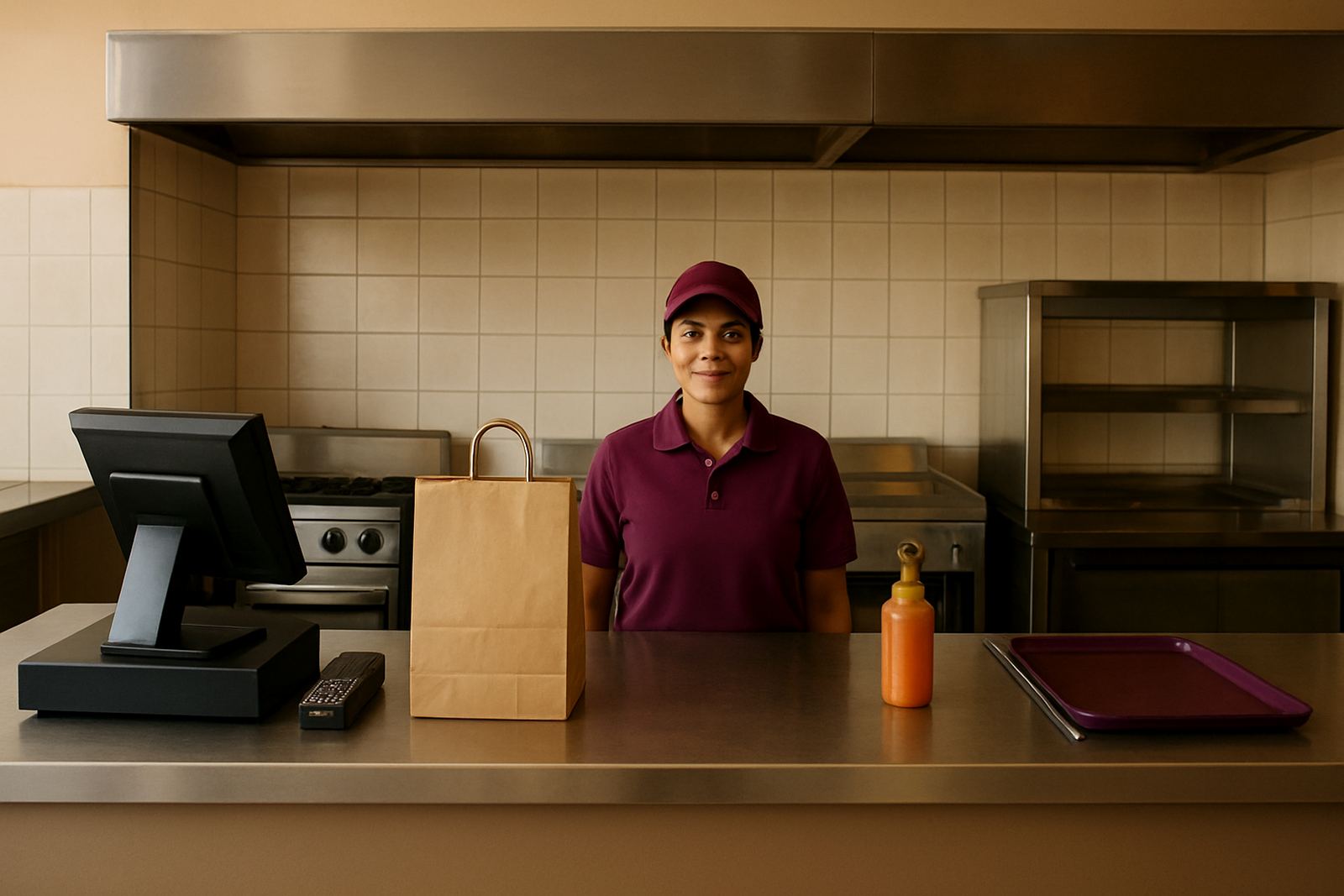
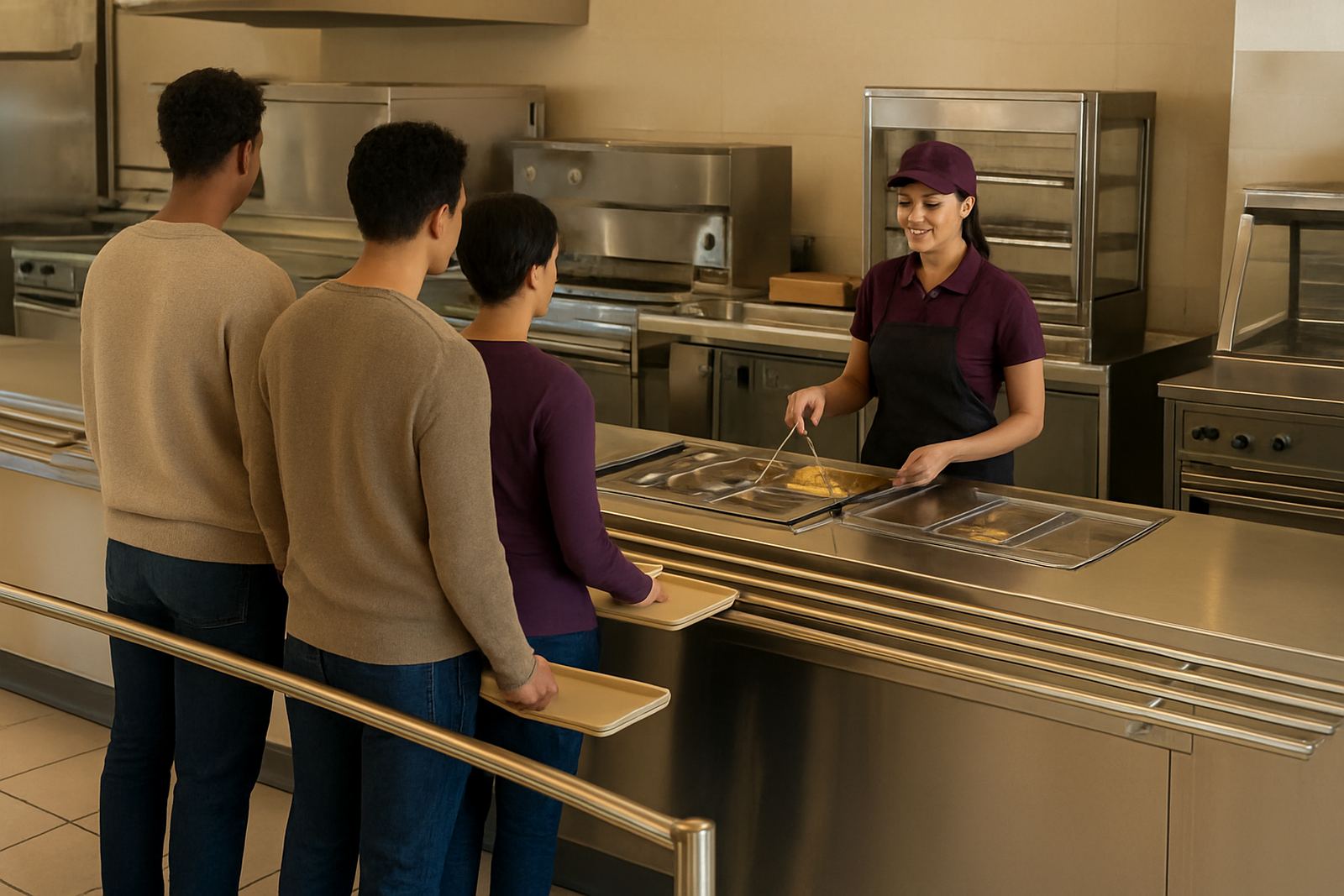
- Servery counters and display unit bases for front-of-house service.
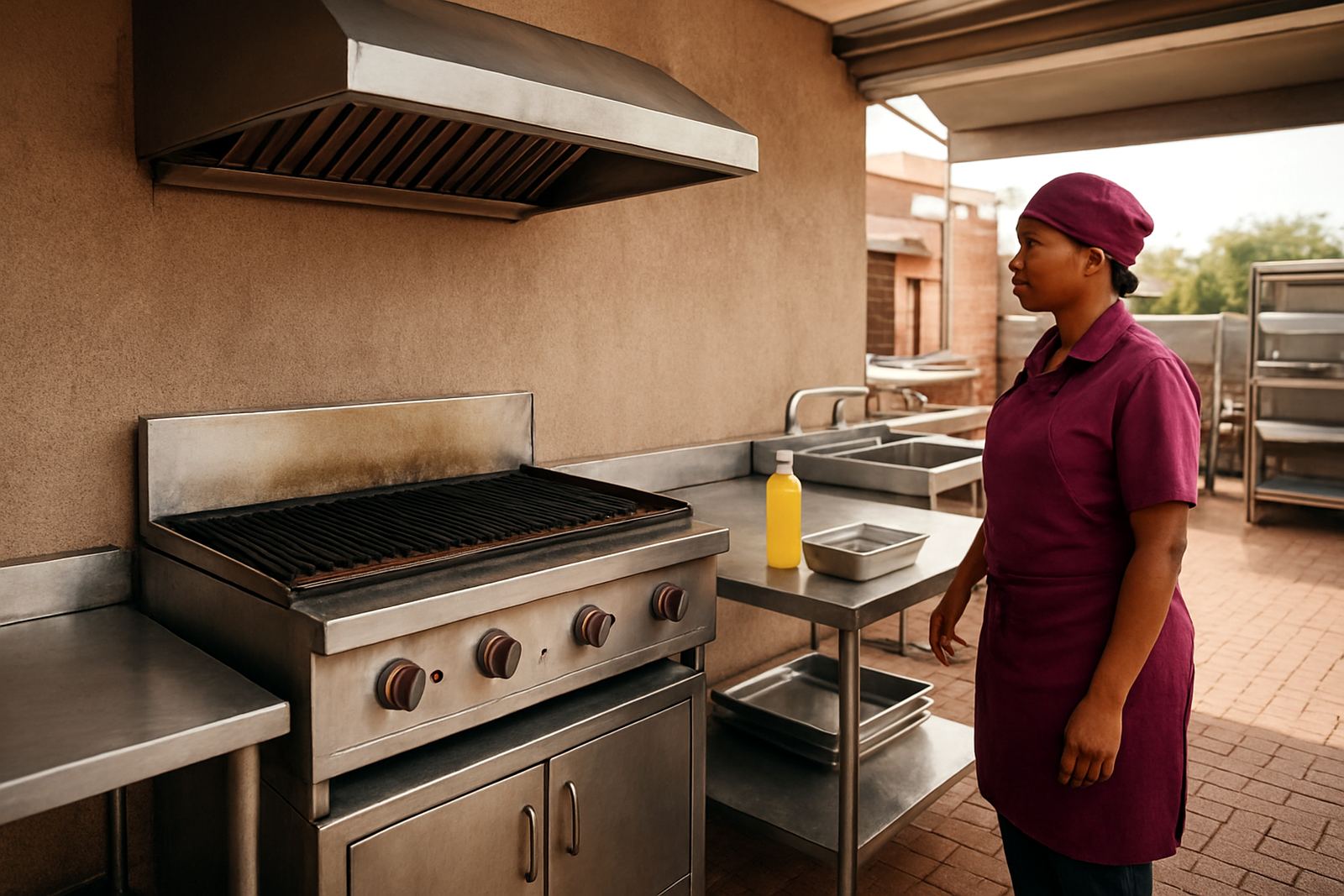
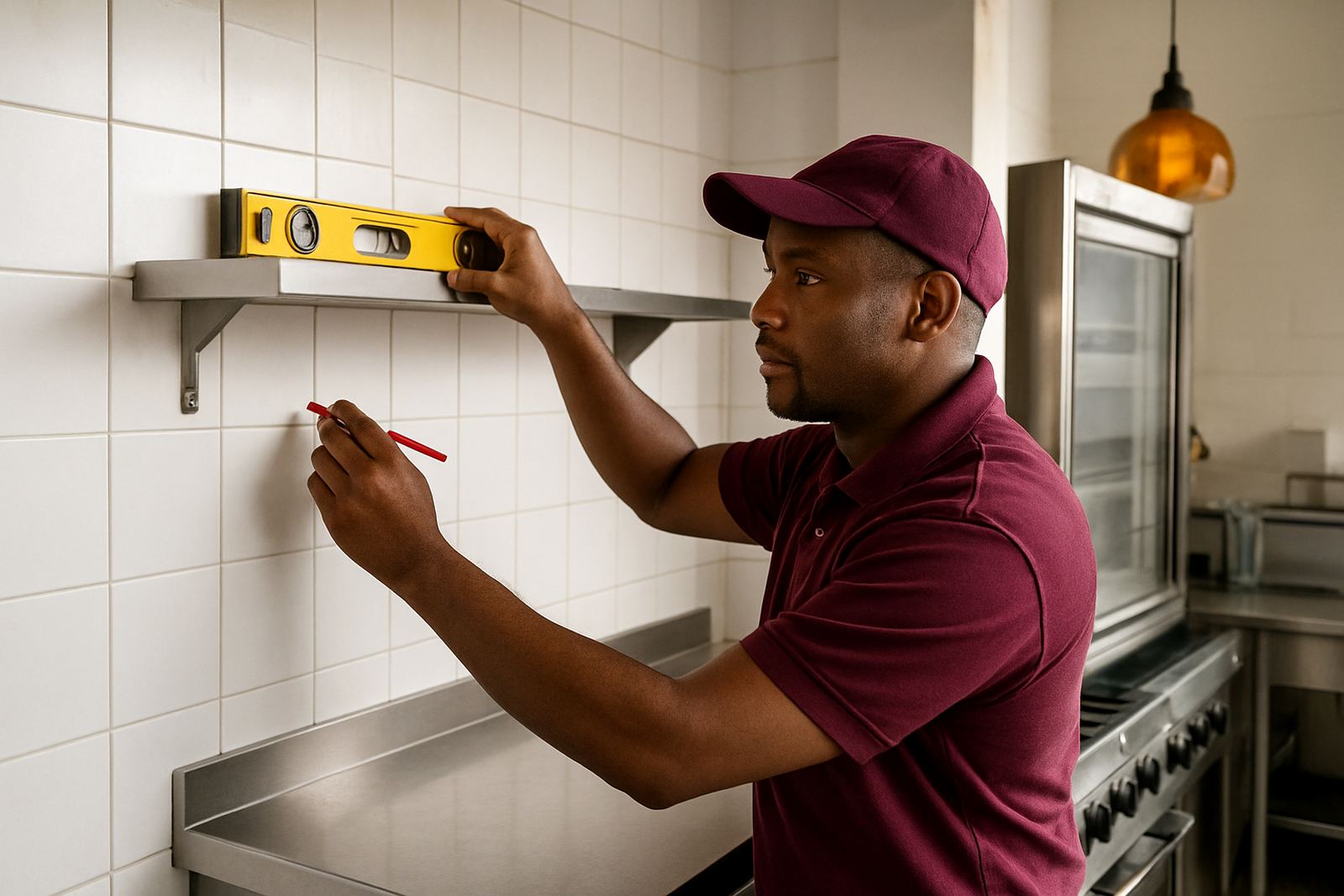
- Extractor canopies, shelving and racking for better flow and storage.
Daily Cleaning, Service And Wear Checks
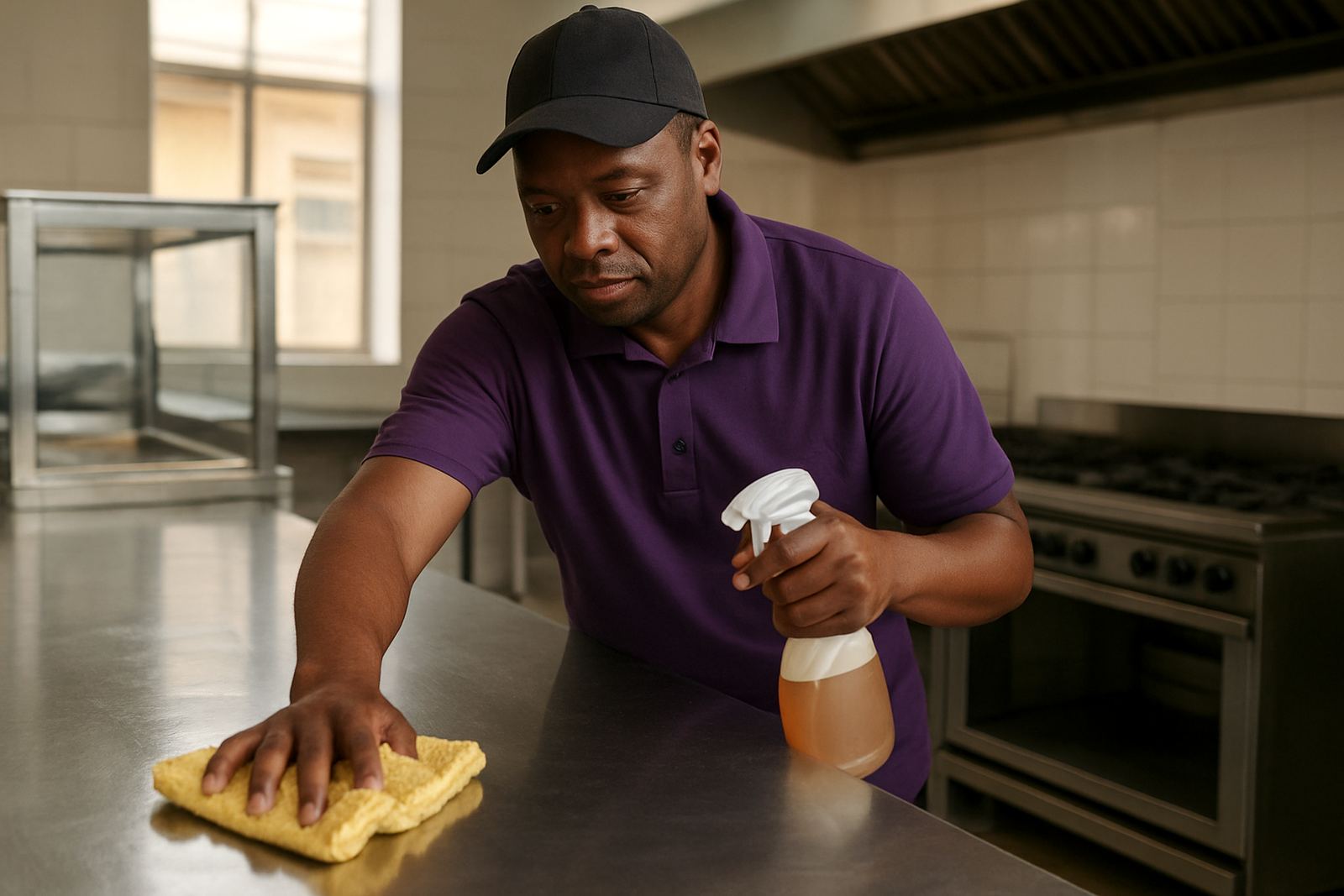
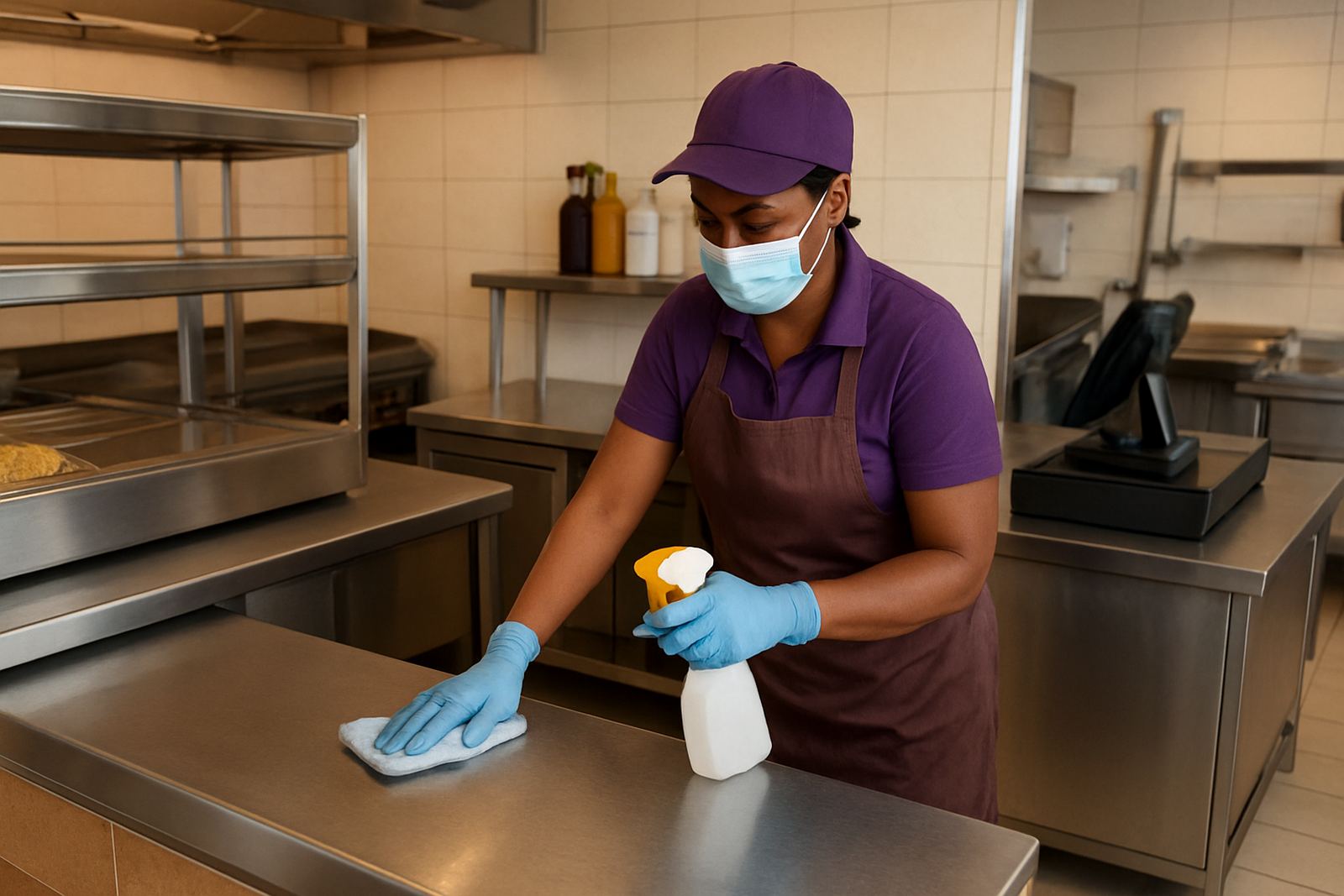
Equipment lasts longer when the team treats it properly. That means wiping spills before they harden, checking loose fixings, and not overloading shelves or trolleys. In busy takeaway kitchens, the fastest way to lose time is a small fault that should have been caught earlier. A wobbly leg or blocked drain can slow the whole line.
Set a simple weekly check list for the kitchen manager or shift lead. Look at joints, seals, taps, wheels, burners and any hinges or drawer runners. If a unit starts to rust, snag or shift under load, get it sorted early. Small repairs are easier than replacing a whole section later on.
How To Plan An Upgrade Without Shutting The Kitchen
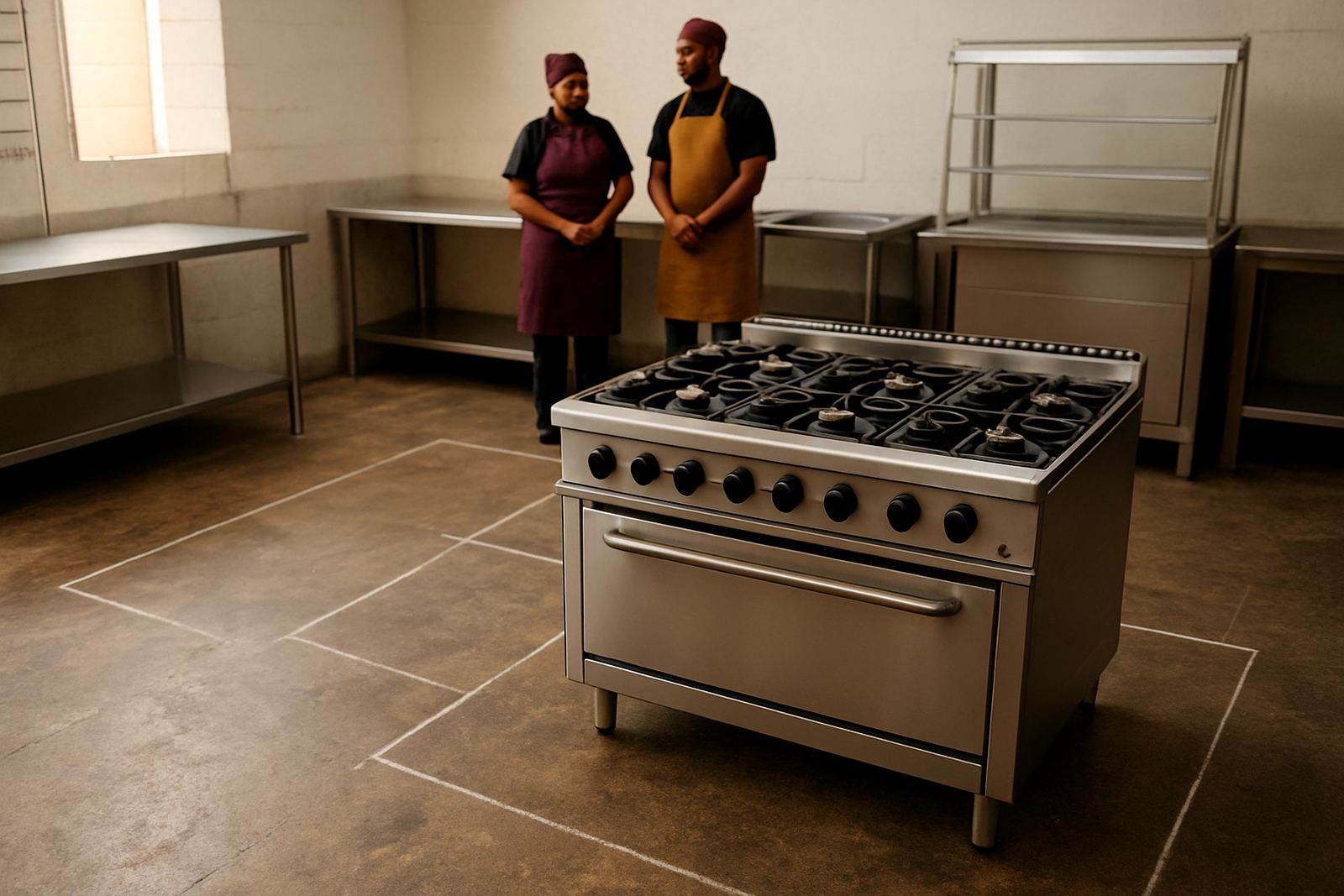
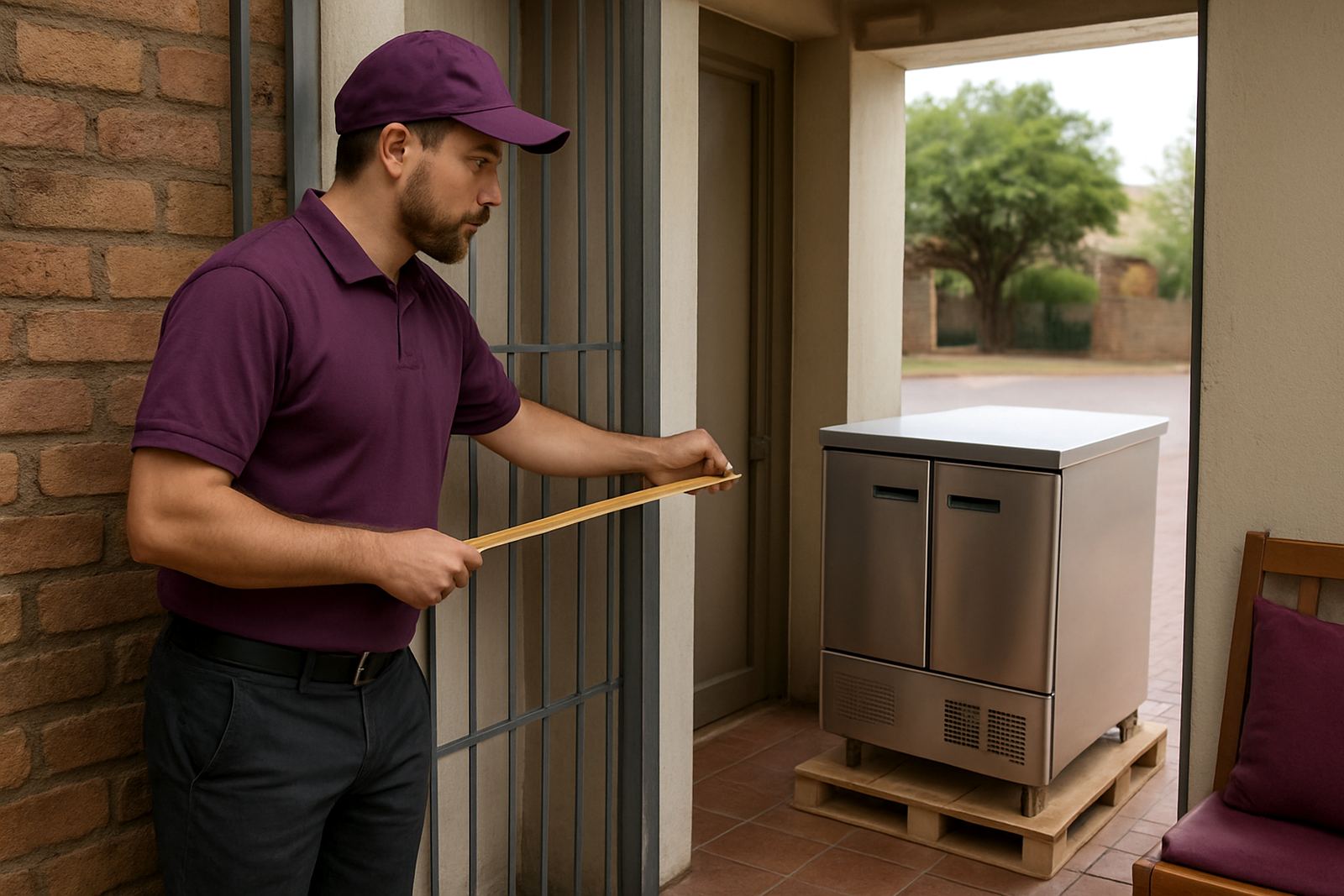
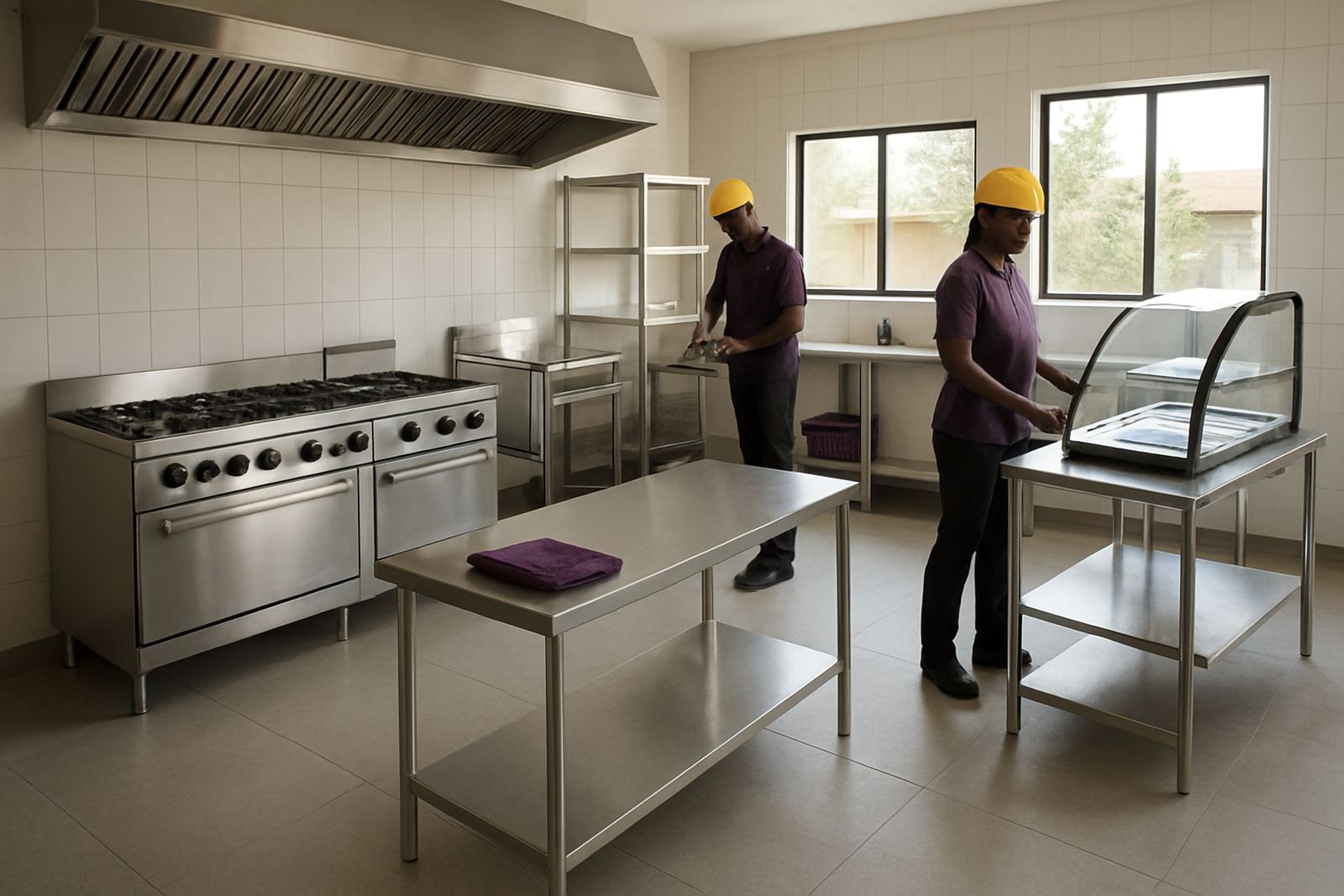
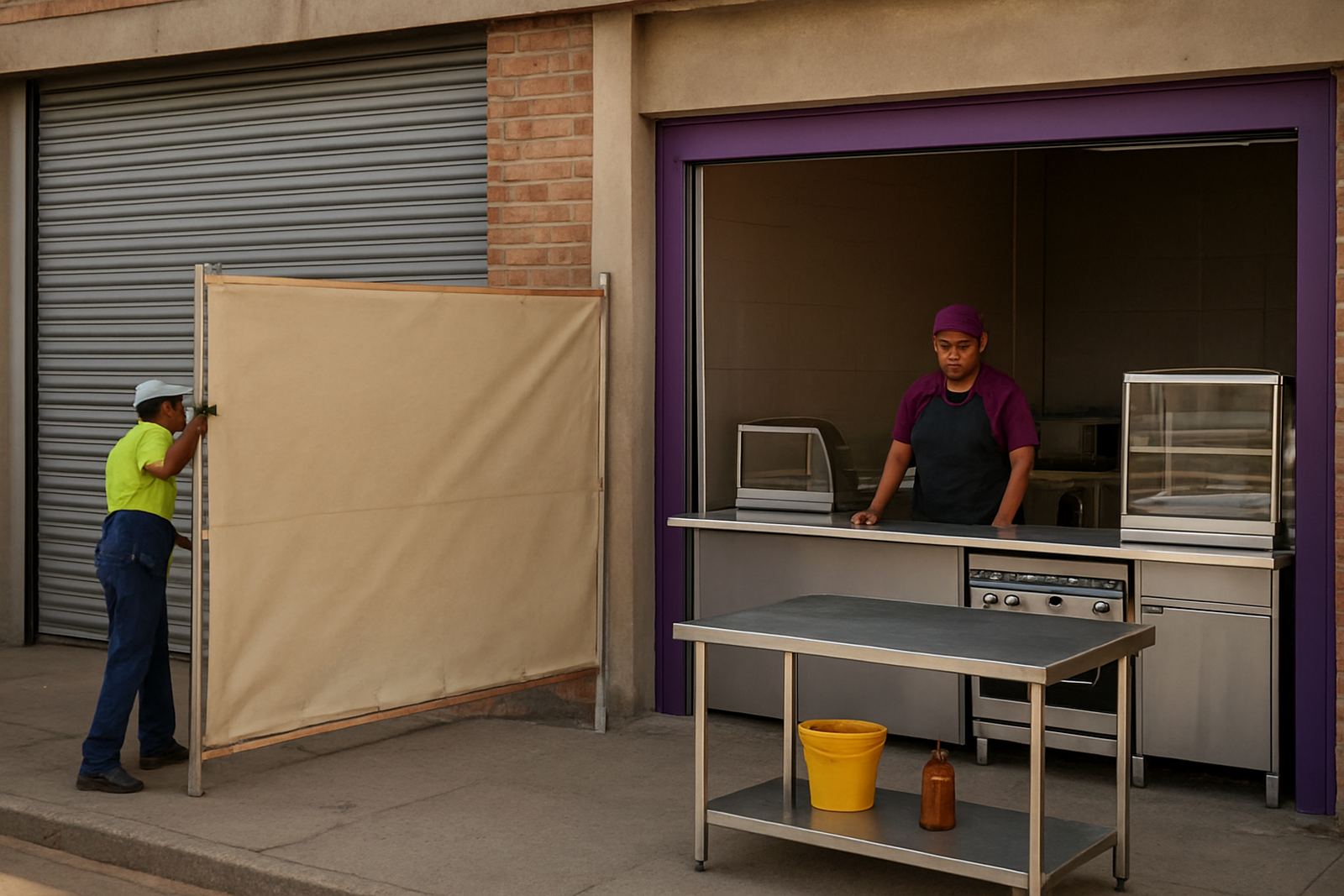
Many food businesses cannot afford long downtime. If you are adding a new range, changing a counter or fitting new stainless sections, plan the work in stages. Measure first, confirm the route in and out, and decide which parts can be installed after hours or over a quiet trading period.
It also helps to nominate one person on site to approve the final position of each unit. That cuts back and forth and keeps the installation moving. For owners in Benoni and the East Rand, a clear plan means less disruption, fewer mistakes and a kitchen that is ready to work when the team returns the next morning.
What To Ask Before You Place An Order
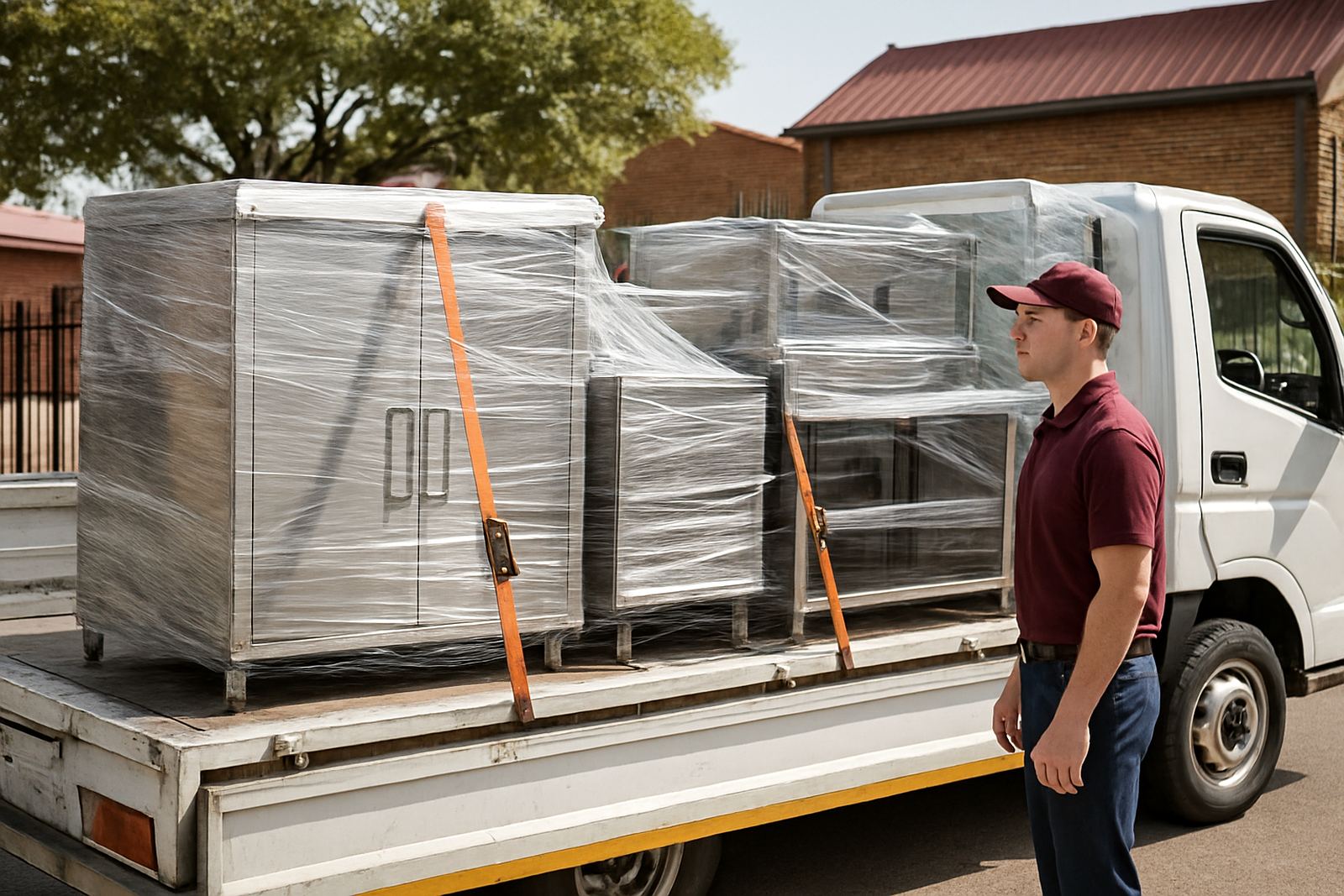
Buying the right unit is easier when you ask the practical questions upfront. This applies whether you need a single prep table or a full set of counters and holding equipment for a new outlet. If the answers are clear, the final install usually goes smoother and the kitchen starts earning sooner.
- What are the exact dimensions and the available floor space?
- Will the unit sit near heat, water or heavy foot traffic?
- Does the site need delivery, fitting or only supply?
- Are there special rules from the landlord or municipality on extraction, drainage or waste?
- What needs to be made custom so the team can work properly from day one?
If you know those points before ordering, you avoid most delays and costly changes later.