Why hot line direction matters during a rush
In a busy kitchen, the hot line is not just a row of equipment. It is the point where cooked food becomes a plated meal, and every extra step costs time. If the line runs against the natural movement of the staff, people cross paths, reach over each other and lose rhythm. That is where delays start.
Direction also affects comfort. A cook working from one end to the other wants ingredients, heat and plating space in a clean sequence. If the handoff is awkward, they twist at the waist, step back more often and get tired faster. Over a full service that can mean slower output and more mistakes, especially in kitchens handling breakfasts, lunches and takeaways all day.
At CaterKraft, we see this often when a client in Benoni or Boksburg has bought good equipment but placed it in the wrong order. The units are fine, but the workflow fights the team. A hot line should suit the room, the menu and the way your people already move.
Left-to-right flow and when it works best
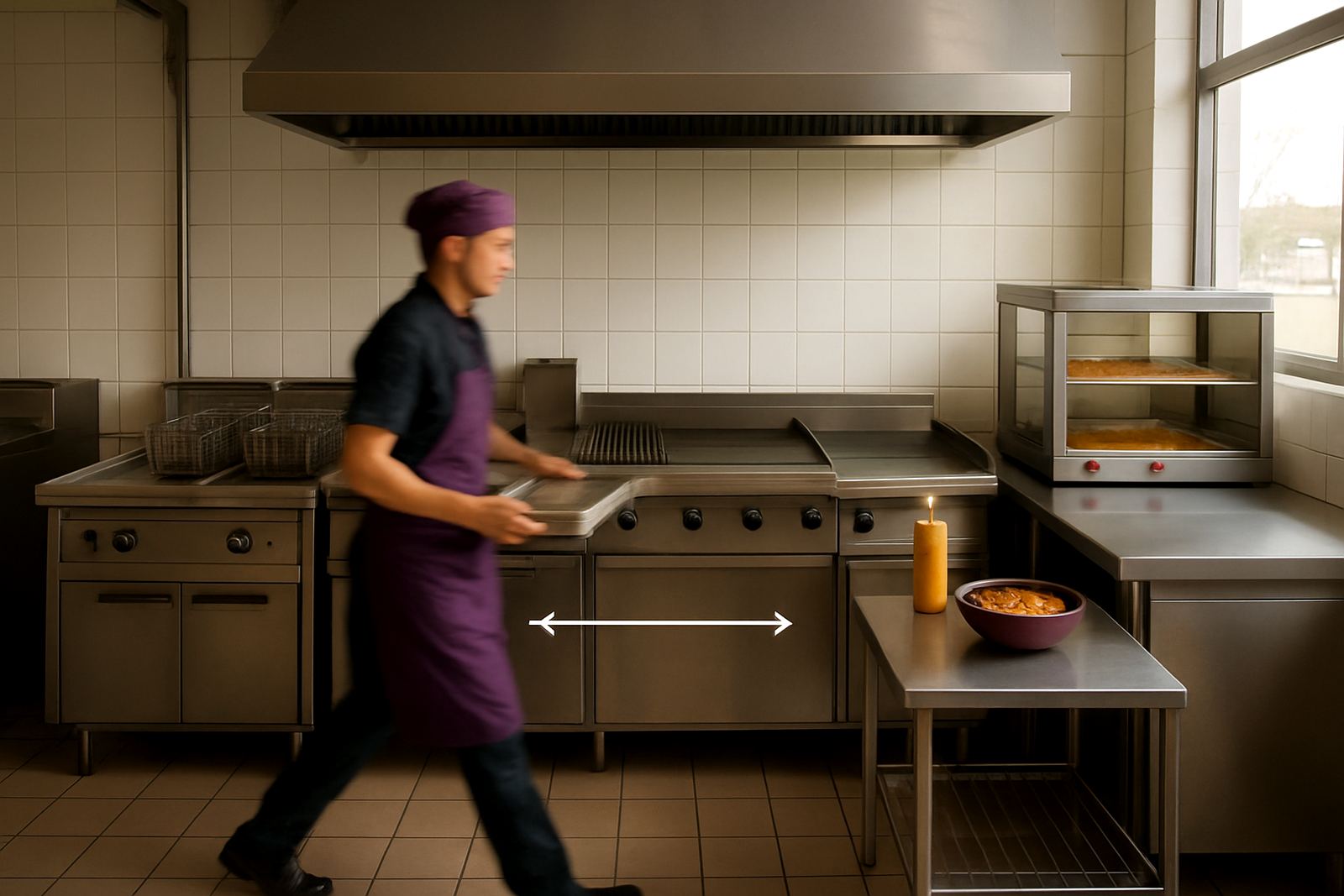
Many kitchens work best with a left-to-right flow because it follows how a lot of people naturally read and work. Food comes in on one side, moves through finishing, then lands on the pass or service end. It feels direct, and new staff can learn it quickly. In a takeaway kitchen this is especially useful when one person is frying, another is saucing and another is packing.
Left-to-right is often a strong choice when the prep area sits on the left wall, the cooker is central and the pass is on the right. It also helps when the serving staff collect orders from the right side, because the cooked food finishes close to the point of release. Less turning, less crossing, less heat building up around one person.
- Best for kitchens where prep starts on the left and plating ends on the right
- Useful for staff who naturally move in a left-to-right sequence
- Good for shorter runs where speed matters more than extra holding space
- Works well with a bain-marie near the final serving point
If the room is narrow, keep the line tight and leave enough space for safe movement behind the cook. A small gap for trays, tongs and pans matters more than filling every metre.
Right-to-left flow for tighter rooms and specific menus
Right-to-left flow can be the better answer when the kitchen shape or the service point sits the other way around. In older buildings or converted shops, the door, extraction route or serving hatch may force the line to run from right to left. That is not a problem if the equipment is arranged with purpose.
For a menu with a strong finishing side on the left, such as boxed meals, burger assembly or plated hot meals for staff canteens, right-to-left keeps the final touch close to the handover point. Some teams also prefer this layout because the lead cook stands in one position and the food moves toward them from the prep side.
In Springs, we worked with a takeaway operation where the counter opening and the extractor position left very little choice. The team first felt the line was awkward, but once the range, bain-marie and packing surface were reversed, service became smoother. The change was not fancy, just practical. And it shaved a few seconds off each order, which is a lot when the queue is out the door.
How to choose the direction for your kitchen
The right direction starts with the room, not with the equipment list. Measure where staff enter, where ingredients arrive, where the heat source must sit and where the finished plate leaves. If those points are ignored, even good stainless units can create a bottleneck.
Ask three simple questions before you decide:
- Where does raw product enter the kitchen?
- Where should the final plate or pack leave the line?
- Which side gives staff the clearest movement with the least crossing?
Once you have those answers, the direction usually becomes obvious. In a compact East Rand kitchen, the best option is often the one that keeps the cook facing forward most of the time. If they must turn constantly, the layout needs another look. A site measure helps here because one misplaced column or drain point can change the whole setup.
Comfort, safety and speed on the line
Hot line direction is also about keeping people safe and steady through a long shift. When staff move in the same direction, there are fewer chances of bumping handles, knocking trays or reaching across live heat. That matters when gas ranges and hot pans are running all day, and it matters even more when the kitchen is short staffed.
Comfort shows up in small ways. A cook who can slide a tray rather than twist to place it down will last longer before fatigue sets in. A server who picks up from the same side each time makes fewer errors. Even the extractor canopy performs better when steam, heat and grease movement are planned around the line instead of being left to chance.
- Keep the hot end away from the main walking route
- Allow clear space for tongs, trays and stacking plates
- Place the bain-marie where staff can serve without leaning too far
- Use mobile trolleys only where they will not interrupt the main flow
During load-shedding, this kind of planning matters even more. If a backup generator or gas-fed section must carry the service, the line needs to stay quick and orderly. Slow movement under pressure leads to cold food, frustrated staff and unhappy customers.
A Benoni example from a busy East Rand takeaway
A local takeaway in Benoni came to us with a simple problem that kept repeating at supper time. The food was good, the team worked hard, but orders were backing up near the serving point. The cooker was on one side, the bain-marie on the other, and the packing counter sat across the path. Staff kept crossing each other for sauces, trays and wraps.
We looked at the room, measured the wall runs and re-set the line so the flow matched the way the staff actually worked. The prep table, hot holding and pass were aligned to one direction, with the service end kept clear. Once the layout changed, the pace improved. Not because the team worked harder, but because the line stopped fighting them.
That is the point of hot line direction. It is not a theory exercise, and it is not about making a kitchen look neat for the sake of it. It is about making sure a real team in Benoni, Boksburg, Brakpan, Germiston, Kempton Park or Springs can serve more meals with less strain.
Planning a line that suits your staff and your space
If you are setting up a new kitchen or adjusting an older one, start with the working direction before you buy or move anything. A stainless prep table, gas range, servery counter or display unit base should all support the same movement pattern. When the pieces fit together, the kitchen feels calmer and service is quicker.
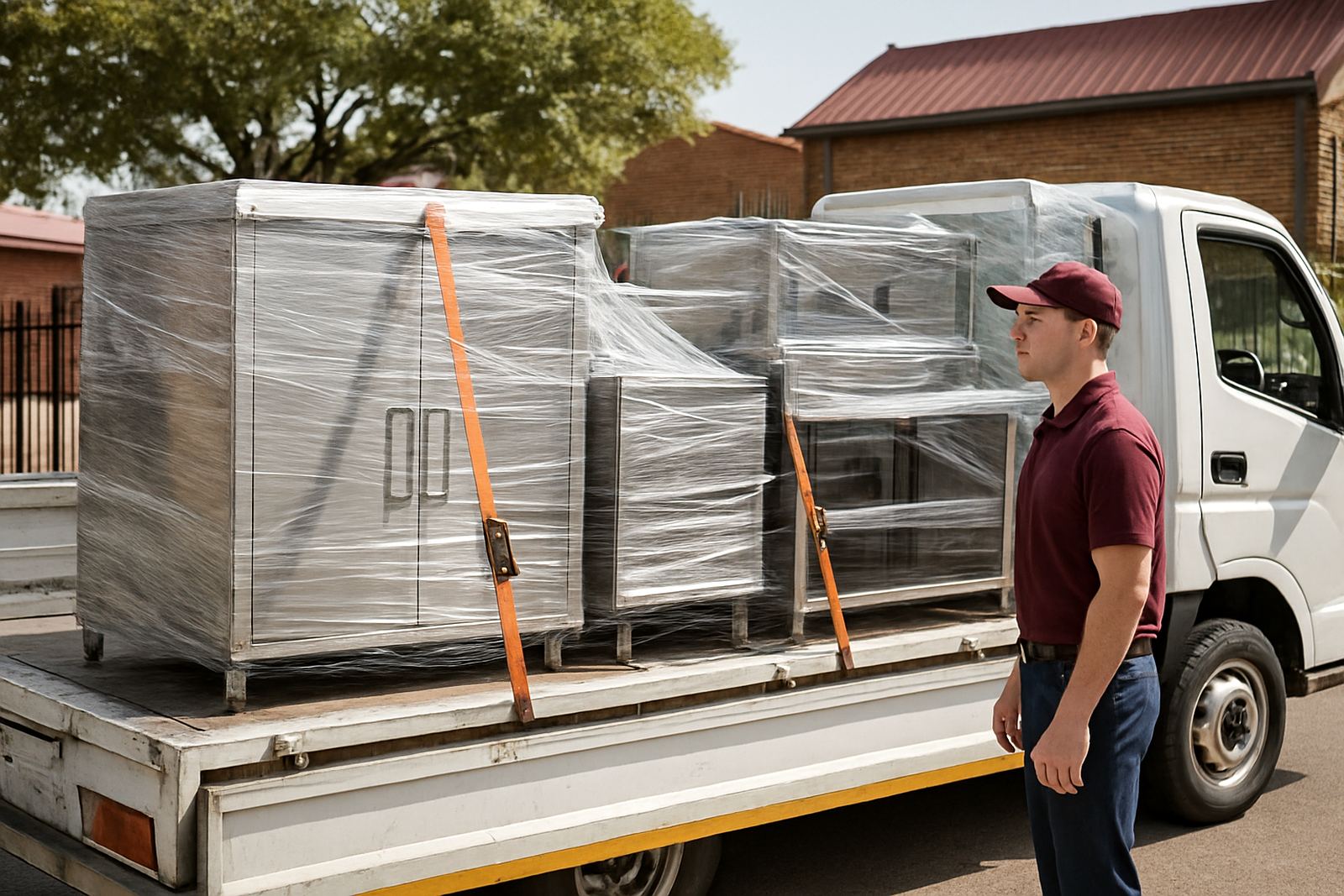
CaterKraft works with kitchens across the East Rand and delivers nationally, so we are used to spaces that are small, unusual or already partly fitted. Whether the job is a custom sink, stainless recladding, shelving and racking or counter modifications, the aim stays the same: keep the line practical, durable and easy to use every day. Lerato Khumalo and the team know that a good layout is worth more than extra square metres.
If you are unsure which direction suits your kitchen, ask for a proper site measure and talk through the menu, the staff numbers and the service pattern. One clear decision on direction can save a lot of time later, and less time on the line usually means better service for the customer and less stress for the team.