Start With the Pieces That Keep Service Going
When a kitchen is tight on cash, it is tempting to buy the visible extras first, like display pieces or add-on storage. That usually causes trouble later. The better approach is to spend on the units that affect cooking, prep and cleaning from the first week. In practical terms that means a solid prep table, a proper cooking line, a hot holding unit, and washing space that matches your daily output.
For Benoni, Boksburg and the rest of the East Rand, this matters even more because many businesses work in compact premises and need equipment that can take hard use. If your setup is in a retail centre, light industrial unit or street-facing takeaway, the core gear has to fit the room, meet municipal expectations and still handle the pace of lunch and supper trading. A cheap item that wobbles or rusts quickly ends up costing more than the better unit you should have bought first.
Think in this order: food prep, cooking, holding, serving, then storage. That keeps you focused on the real job instead of filling the floor with nice-to-have items that do not help turnover. It also makes it easier to plan power use during load-shedding because you can see which units must be on backup and which can wait.
A Lean Starter List That Covers the Basics
A small business does not need a full commercial fit-out on day one. It needs enough equipment to make food safely, hold it at temperature and get it to the counter without delays. A lean starter list helps you stay within budget and still trade properly.
- Stainless prep table for dough, chopping and packing
- Gas range or cooking line for high-output cooking
- Bain-marie for hot holding and portion control
- Display unit base for a clean sales counter setup
- Hand-wash and wash-up sink arrangement
- Simple shelving for dry stock, pans and cleaning items
If you are serving from a takeaway counter in Springs or Kempton Park, you may need a small display unit base before you need decorative finishes. If you are feeding staff or doing bulk meals in Germiston, a larger prep surface and better hot holding can matter more than a fancy front counter. The point is to match spend to the volume you expect in the first 6 to 12 months, not to what you hope to look like one day. Small typo? Maybe. But the rule still stands: buy for today, then grow into the next phase.
Why Stainless Steel Is Usually the Best First Spend
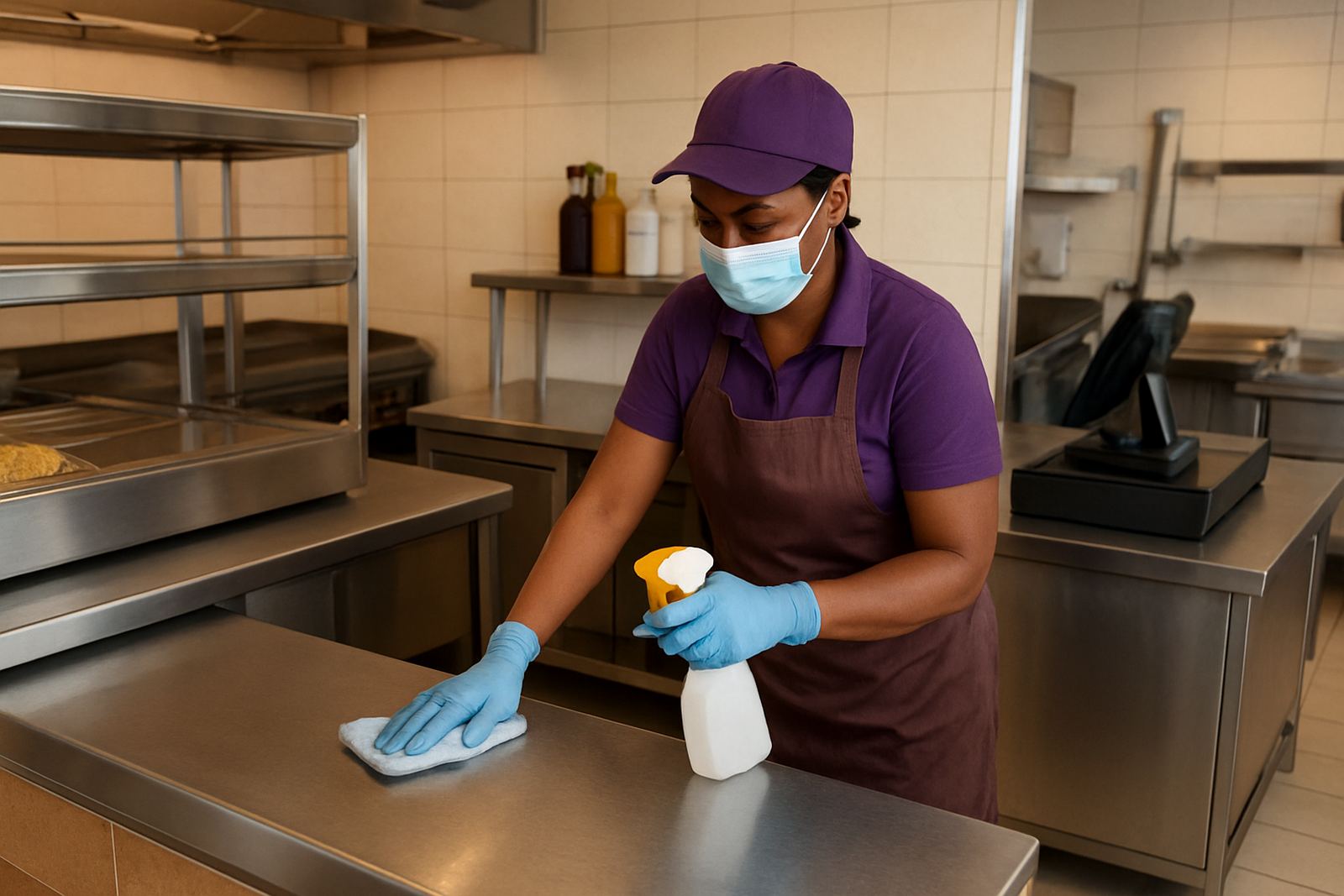
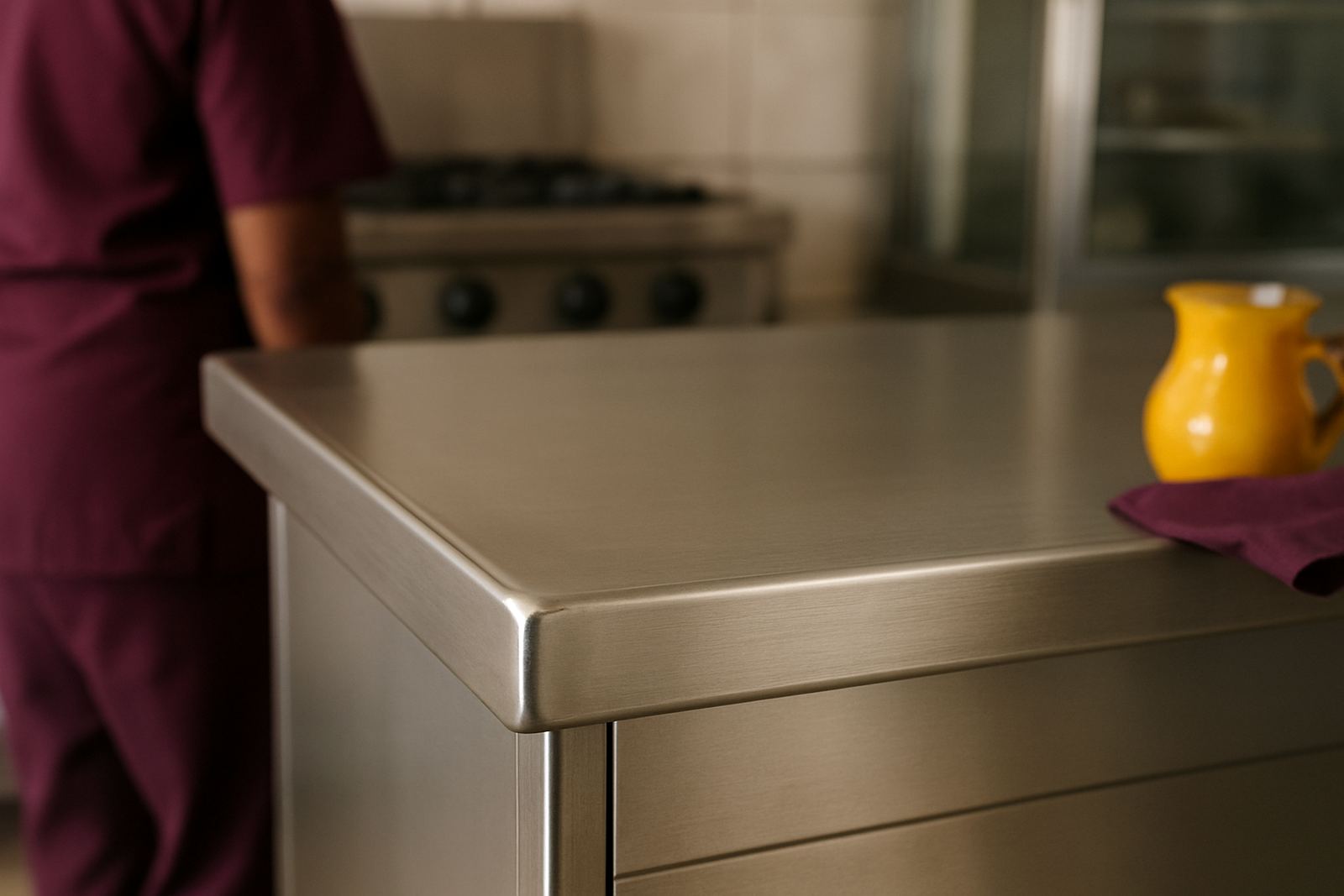
For budget core equipment, stainless steel is normally the safest place to put your money. It handles constant wiping down, frequent heat, and the damp conditions many East Rand kitchens deal with in winter and during coastal supply runs. It also suits food safety requirements because it is easier to keep clean than painted mild steel or timber surfaces.
Stainless prep tables, sinks and counter modifications are not just about appearance. They help with hygiene inspections, they stand up better to spills, and they last longer in kitchens that open early and close late. If you are near a wash area, a loading bay or an extractor line, proper stainless work also helps reduce damage from steam and splashes.
There is a practical cost angle too. You may pay more upfront, but you avoid early replacement and repeated repairs. For many owners that is the real budget win. A table that stays level, does not pit easily and can be reworked later is far better than an imported-looking piece that flexes after a few months of heavy use.
Plan for Heat, Holding and Power Interruptions
Load-shedding changes the buying list for almost every kitchen in South Africa. If you only budget for the main cooker and ignore holding and service flow, you can end up with hot food and nowhere to keep it moving safely. That is why core equipment should be chosen as a group, not as separate bargains.
For example, a gas range may cover your cooking during outages, while a bain-marie keeps plated food at the right temperature when orders slow down. If your site has a small generator or inverter system, it helps to separate what needs power from what can run on gas. A clear plan avoids panic buying and makes it easier for staff to keep trade steady when the lights go off.
- Choose gas where cooking must continue during outages
- Use insulated or heated holding where service times are predictable
- Keep the display side simple so staff can clean and reset quickly
- Allow space for cable runs, gas lines and ventilation from the start
In practice, this sort of planning matters in busy areas like Brakpan and Boksburg where trading windows can be short and lunch rushes unforgiving. If equipment slows down the line for even ten minutes, you feel it in the till.
Measure the Room Before You Spend a Cent
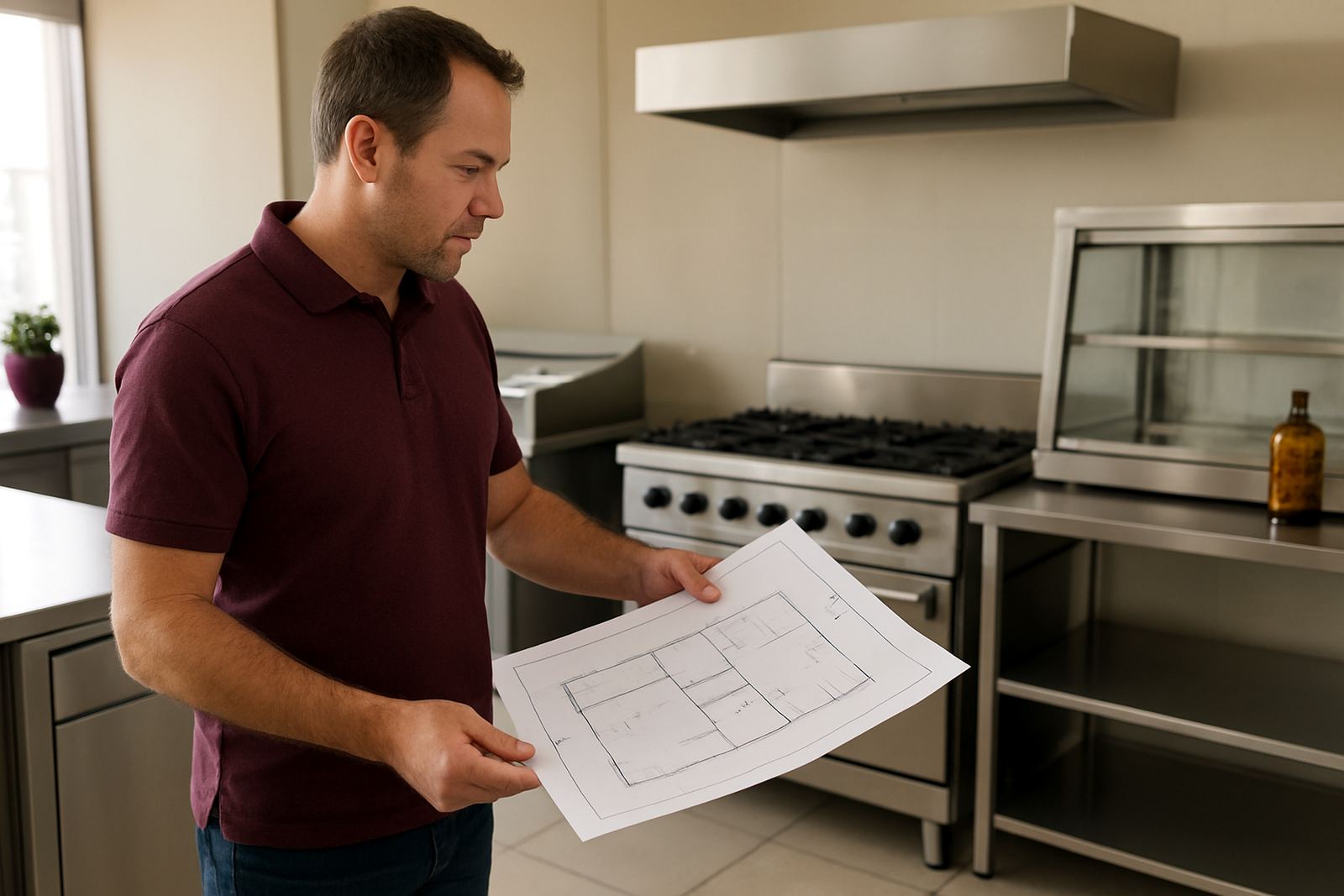
One of the easiest ways to waste a budget is to buy equipment before the site measurements are done. A unit that looks perfect in the catalogue can block a doorway, crowd a fryer line or leave no safe passage behind the counter. That is why site measuring should happen before you confirm the final list.
At this stage, check wall lengths, ceiling height, extractor positions, drain points and the width of access doors. Also think about where stock comes in, where dishes go out, and how staff move around each other. In a small Benoni showroom kitchen or a takeaway unit in Springs, a few extra centimetres can make the difference between smooth service and constant bumping.
If you are planning custom prep tables, counter modifications or extractor canopies, early measuring helps you avoid costly changes later. It also helps with municipal compliance because you can place sinks, food zones and hot equipment more sensibly. That saves time when the inspector asks where things will sit and how the workflow is set out.
Build the First Phase So You Can Add Later
The smartest budget approach is to choose core units that can support future growth. You do not need everything now, but you should avoid buying items that become useless as soon as trade improves. A good starter setup can be expanded with more shelving, a second prep table, mobile trolleys or a display upgrade when sales justify it.
That is where practical fabrication helps. If the base dimensions and heights are set properly, you can add on instead of replacing. A servery counter can be modified later. A prep table can be extended. A stainless cladding job can refresh an old front without tearing out the full structure. These are the kinds of decisions that protect cash flow.
For East Rand operators, especially those working from rented premises, flexibility matters. Landlords may change conditions, a menu may shift, or the kitchen may move into a larger unit. If your first spend is on sound core equipment, you are not stuck. You can keep trading, then add the next layer when the business is ready. That is the real meaning of budget control.