Why Breakfast Rushes Need A Different Setup
Breakfast is not like lunch or dinner. Orders often arrive all at once between 06:30 and 09:00, especially near office parks, taxi routes, guesthouses and takeaway counters serving builders and early commuters. If the cooking surface cannot hold heat or recover quickly after each batch, the whole pass slows down.
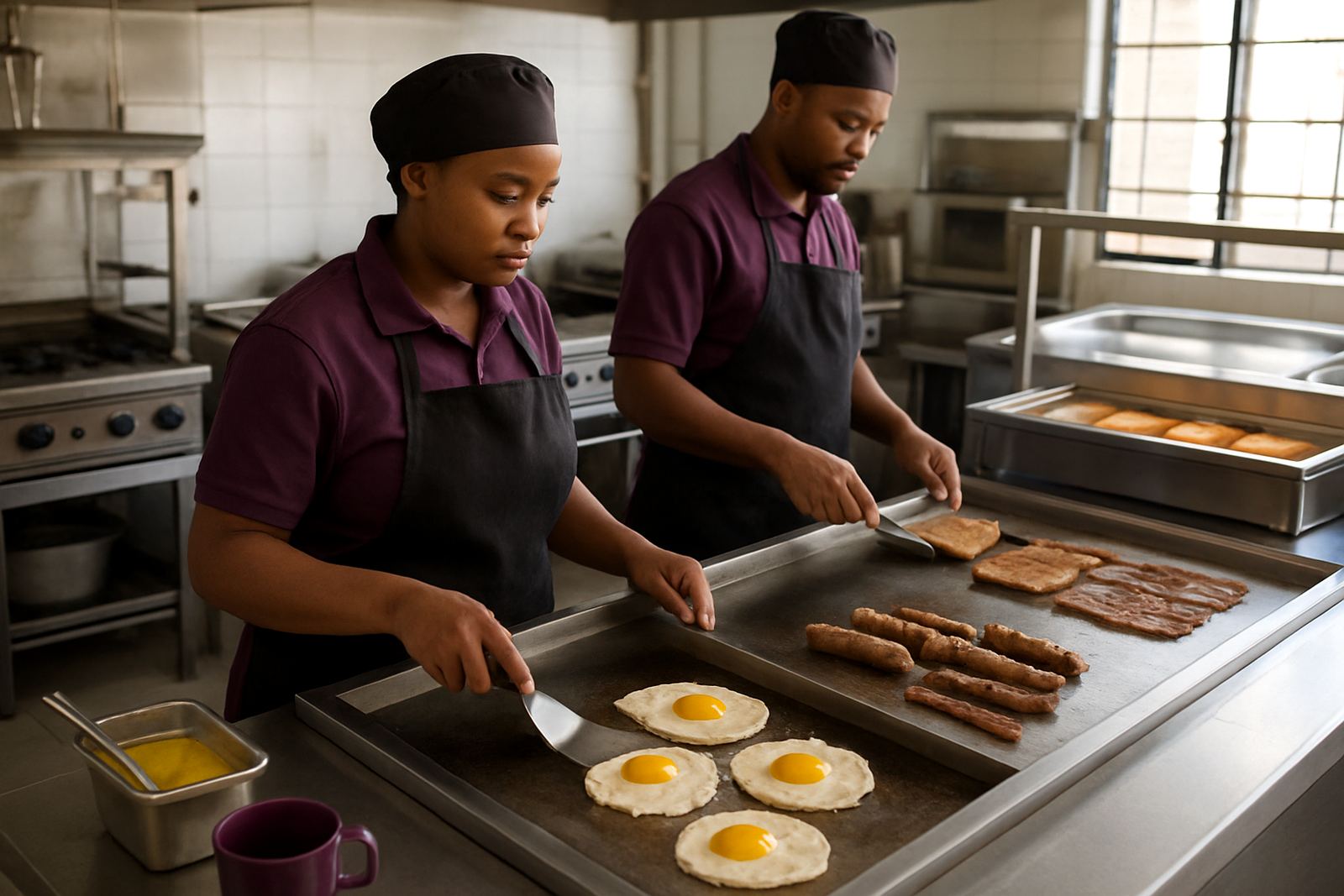
A flat-top griddle gives you one even working area for eggs, bacon, boerewors slices, tomato, mushrooms, hash browns and toast warming. That means less walking between pans and fewer delays at the stove. In a busy shop, the aim is simple: get food cooked in the right order, with less waiting in between. A good layout also helps the team work in the same direction, which cuts down on bumps, spills and confusion.
For kitchens in Benoni, Boksburg and Kempton Park, where morning volume can spike hard on weekdays, the griddle often becomes the main breakfast workhorse. It is easier to train staff on one flat surface than on a clutter of pots and small pans.
What A Griddle Does Better Than Separate Pans
Separate pans work for low volumes, but they become messy once orders build up. A griddle lets you cook multiple items at once and use the hottest zones for fast browning while cooler spots keep food from overcooking. That control matters when customers want eggs done two ways, or a breakfast stack going out with no delay.
For takeaway counters, a flat-top also makes plating easier. Staff can finish the full breakfast in one place instead of carrying parts around the kitchen. That reduces dropped food and keeps the pass cleaner. In warm months, or during a power cut when the kitchen is relying on gas equipment and backup lighting, a single well-run hot surface keeps service moving with less fuss.
- Cook eggs, bacon and mushrooms on one surface
- Hold cooked items at the edge without drying them out
- Move faster during ticket peaks with fewer pans to manage
- Keep cleaning simpler between breakfast batches
For many operators, the shift from pan-by-pan cooking to flat-top service is where breakfast starts becoming profitable instead of stressful.
Sizing The Line For Real Morning Volume
The right size depends on how many breakfasts you expect in a 30 minute window, not just the daily total. A small café might handle with a compact unit, while a takeaway near a transport route may need a wider cooking area and an easier plating zone. If the griddle is too small, staff end up stacking product on top of each other and slowing down recovery time.
When planning a breakfast station, think about where the eggs will be cracked, where cooked bacon will rest, and where plates or takeaway containers will be filled. The griddle should sit close to cold storage for speed, but not so close that steam and heat make the whole prep area uncomfortable. In coastal humidity or during humid Highveld mornings, stainless surfaces also help because they wipe down quicker and do not hold odours as much.
- Match the cooking surface to peak ticket count
- Leave space for staging cooked items
- Keep dry goods and cold items close by
- Allow room for safe movement behind the counter
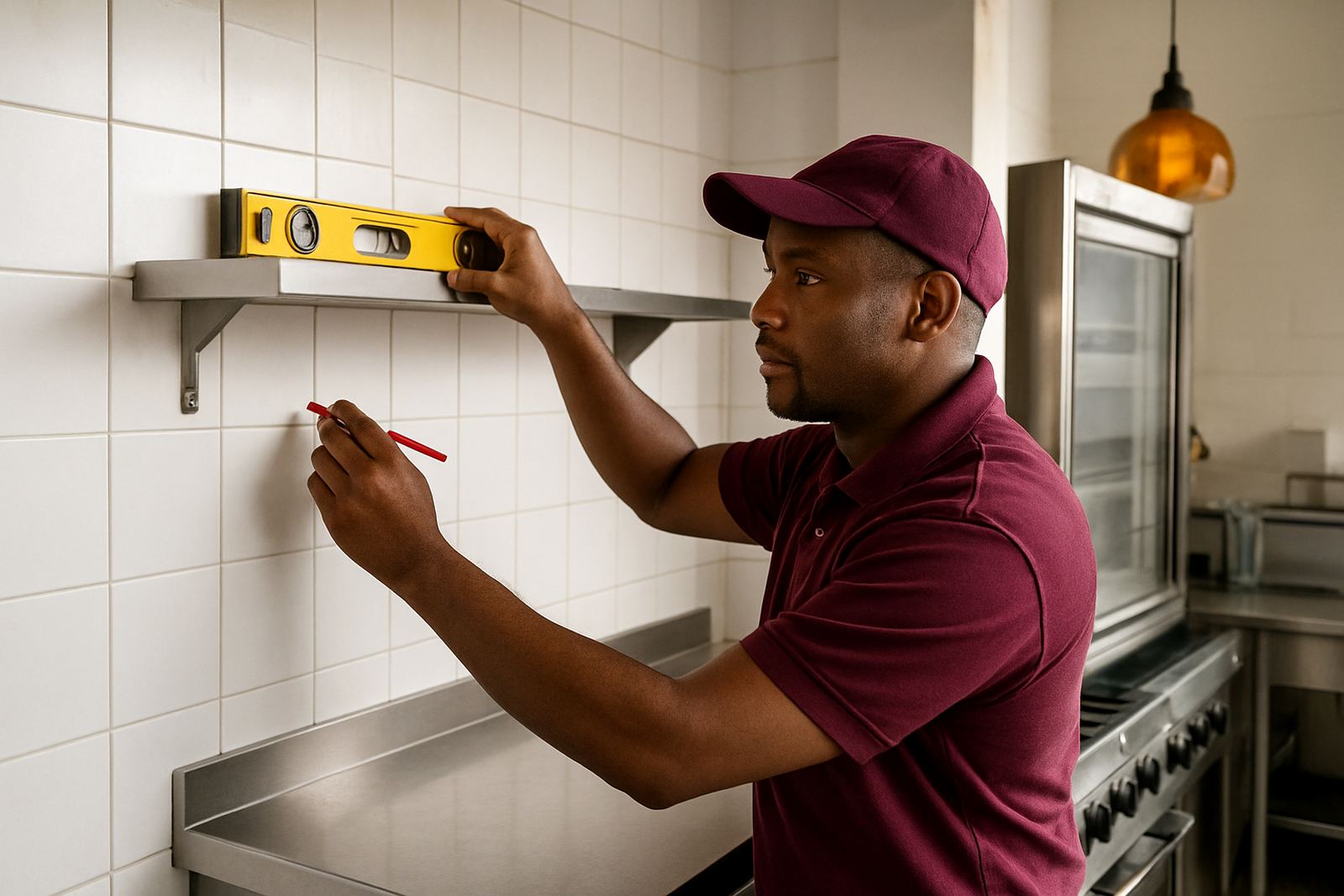
If the cooking area is cramped, even good equipment will feel slow. A proper site measure before fabrication can prevent that problem from the start.
Heat Control, Recovery And Consistency
Good breakfast output depends on more than flame or element size. The surface must recover quickly after cold eggs or chilled meat hit the plate. If it drops too much in temperature, the next batch comes out uneven and service starts to lag. That is why even heat spread is important on a busy morning.
Operators should look at zones. The hotter middle area can be used for quick browning, while the side sections hold cooked items or toast. This kind of control helps with consistency, especially when different staff members take turns on the line. A clear method also reduces waste because fewer items are overdone and thrown out.
In areas like Germiston and Brakpan, where some breakfast trade is tied to workshops and industrial estates, speed matters but so does repeat quality. A customer who gets the same cooked breakfast every visit is more likely to come back with colleagues the next day.
Cleaning Between Services Without Losing Time
Breakfast may be the first service of the day, but it is also the one that can leave the griddle dirty before lunch even starts. Bacon fat, butter and egg residue build up fast. A unit that is easy to scrape and wipe down saves time, and it helps staff switch over to lunch items without a long delay.
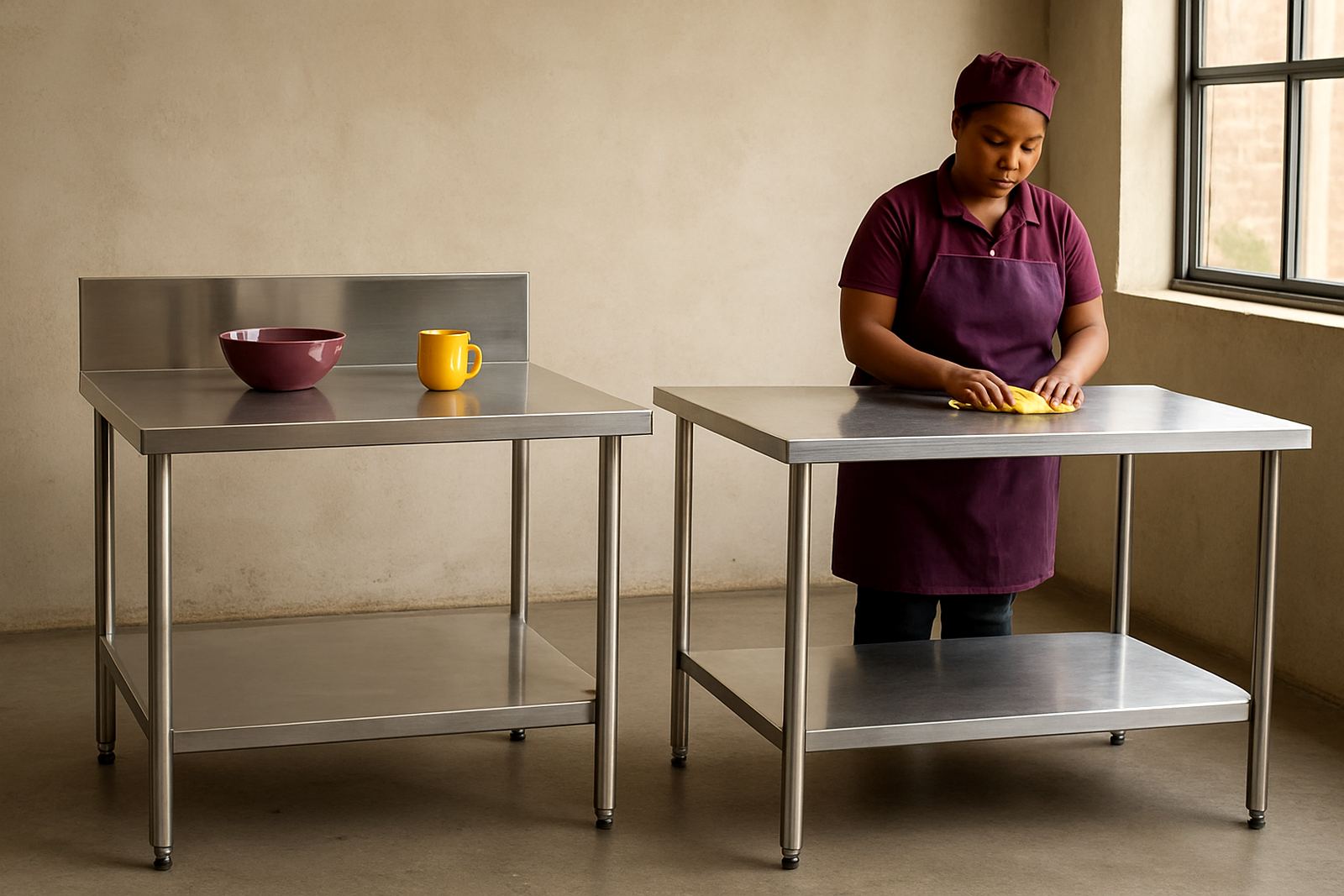
Stainless prep tables beside the griddle make this easier, because ingredients can be portioned, plated and cleared on one clean work area. If there is a servery counter or display unit close to the hot line, customers can see the food move which often helps with sales during peak hours. Keeping the cooking and service points close together cuts cross traffic in small shops.
- Scrape while the surface is still warm, not hot
- Use separate cloths for food contact and general cleaning
- Keep salt, spice and sauces in sealed containers
- Check drainage and splash control around the station
Where municipal inspections are strict, a tidy breakfast area also makes compliance easier. Less grease on the floor means less slip risk and less trouble during checks.
A Benoni Example From A Busy Morning
In Benoni, a takeaway serving factory staff and local families had a breakfast rush that was choking the counter. Staff were using too many small pans, and orders were backing up by 08:00. The cook line was short, the prep area was tight, and every shift change caused another delay.
After measuring the space properly, the operator changed the layout so the breakfast line had one flat-top cooking area, a stainless prep table for staging, and a better pass for packed orders. The team could batch bacon, eggs and mushrooms in sequence instead of one item at a time. Service became steadier, and the front counter stopped filling up with unfinished tickets. It was not fancy, just better planned.
That kind of change is common across the East Rand. When the breakfast line is matched to the real volume, not an ideal one, the kitchen works harder without feeling rushed.
How CaterKraft Supports Breakfast-Heavy Kitchens
Breakfast output is often limited by the setup around the cooker, not only the cooker itself. That is why custom prep tables, mobile trolleys, extractor canopies, servery counters and stainless recladding all matter. Each part helps the team move faster and stay organised during the busiest part of the day.
For Benoni Showroom clients and customers in Boksburg, Springs, Kempton Park and Germiston, we look at the full line before any fabrication work starts. Site measuring helps us see where the cook line, wash-up point and pass should sit so the flow makes sense. It also helps when a kitchen is running gas equipment during load-shedding and needs clear access around cylinders, ventilation and safety gaps.
Breakfast service should not feel like a scramble. With the right griddle setup and a sensible work layout, a kitchen can move from the first order to the last plate with less waste and less stress. That is what keeps the morning queue moving.