Where a stockpot burner earns its place
A stockpot burner is not there to replace every cooking point in the kitchen. It is there for the jobs that need a deep pot, steady flame and room to work safely around the base. In a takeaway or contract kitchen, that usually means bulk batches and long simmer periods where a standard stove top gets cramped very quickly.
In Benoni, Boksburg and the rest of the East Rand, many operators run with a mix of gas and electric gear because load-shedding still disrupts service. A dedicated low burner gives you one less bottleneck when you have to keep soup, curry, gravy or stock moving. It also keeps the larger range free for frying, boiling and finishing plates.
For kitchens that cook from early morning, the stockpot burner is often the quiet workhorse. It is the point where ingredients can cook down slowly without burning on the base or forcing staff to stand over the pot every minute.
Best uses in bulk cooking operations
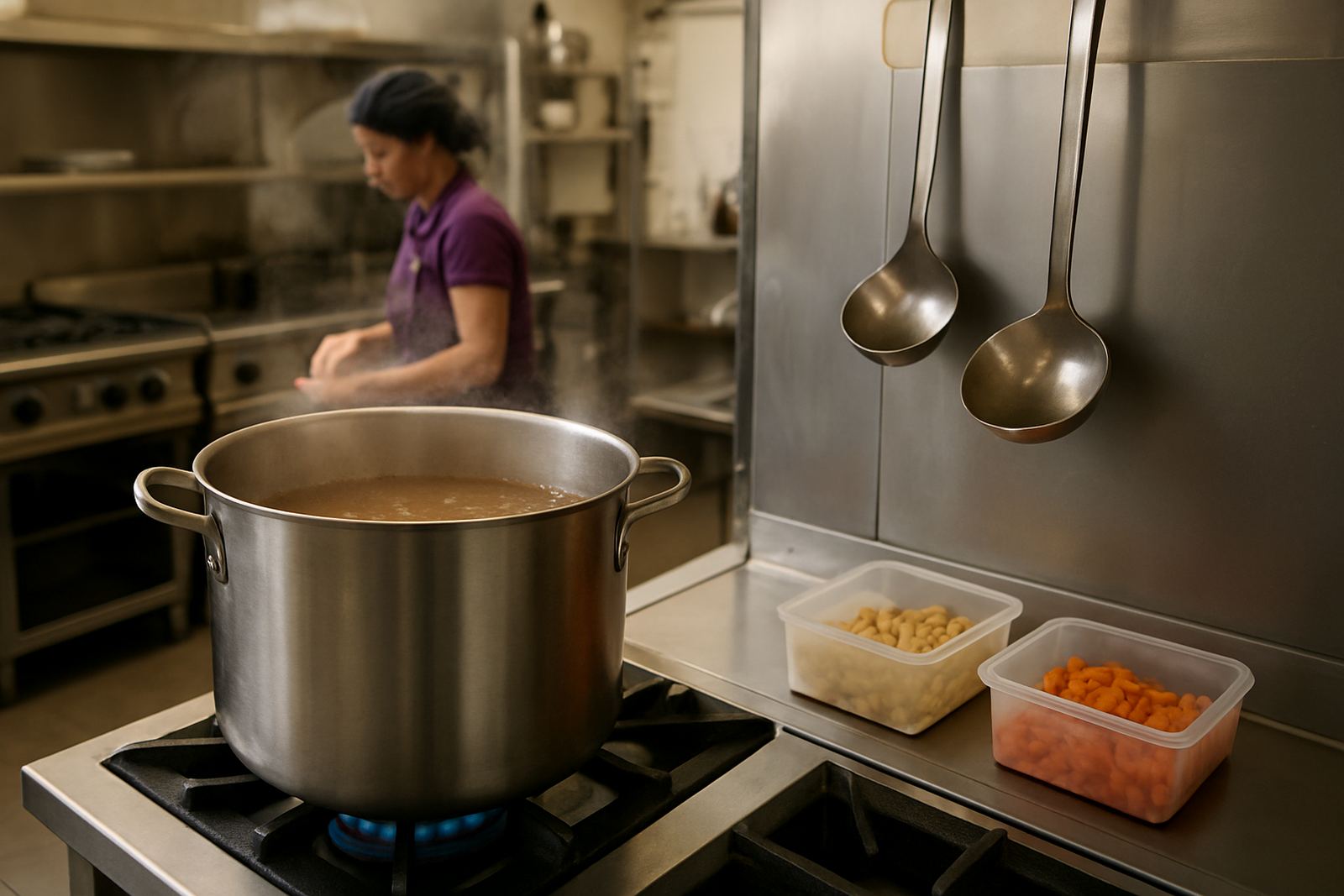
The strongest stockpot burner uses are practical and repetitive. The burner is made for larger pots and pots that stay on heat longer than a normal lunch rush pan would. If your kitchen produces food in batches, this unit starts to make sense very fast.
- Soups and stews for canteens, schools and work sites
- Stocks and bone broths for sauce bases and gravies
- Curries and bean dishes that need slow, even heat
- Large pots of pasta, samp, pap, rice or boiled vegetables
- Oil heating for vetkoek, amagwinya or other fry products
- Hot water production for cleaning or prep support
In a catering setup, one burner may be used all day for a stock pot while the rest of the kitchen runs normal service. That split helps with timing. It also cuts down on the bad habit of moving a heavy pot from one station to another, which can get messy and unsafe.
Why it helps with consistency and safety
Slow cooking only works well when the heat stays predictable. A stockpot burner gives you a flame set up for weight, depth and long contact time. That matters when the pot is full and the contents can spit, sink or scorch if the heat is uneven.
For safety, the lower burner position is useful because the pot sits more securely and staff do not need to lift as high when stirring. A proper stand also helps with airflow and reduces the chance of a heat build-up under the vessel. That is worth thinking about in small kitchens where walls are close and extractor space is limited.
In coastal humidity, stainless finishes and solid welding matter too because burners sit in kitchens that are washed down every day. If the unit is being used near prep tables and wet floors, the frame should be easy to clean and stable under weight. No one wants a wobble when a 40 litre pot is half full.
- Less scorching on the bottom of thick mixtures
- Fewer spills when the pot is heavy
- Better control during long simmer periods
- Cleaner workflow for one person handling prep
What to consider before you install one
Before you choose a burner, think about the size of your pots, the heat output you need and the floor space around the unit. A burner that is too small will waste time, while one that is oversized for your pot can be hard to regulate. It is also worth checking the gas supply route and whether the area has enough ventilation.
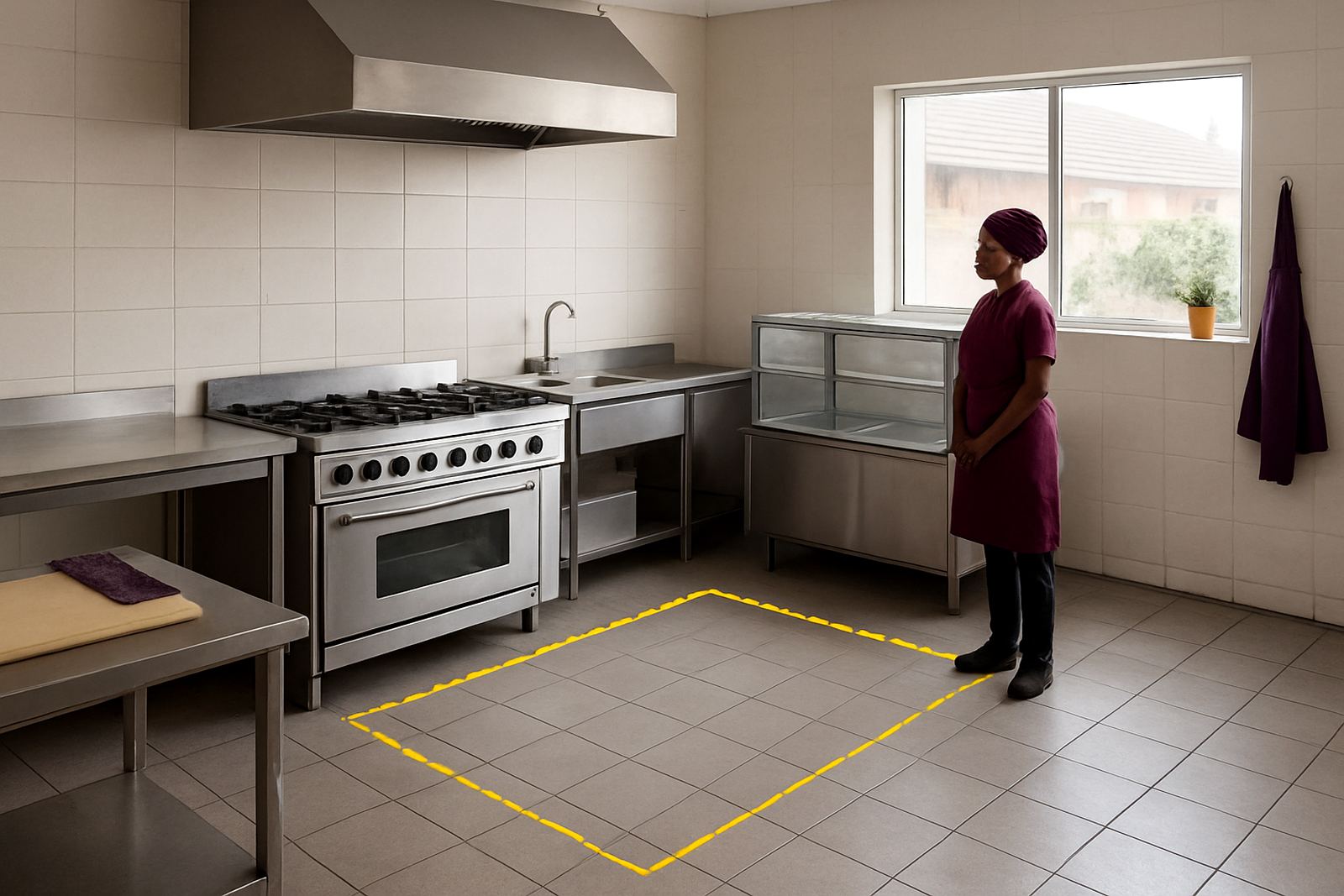
In many East Rand kitchens, the practical issue is not just heat but movement. Staff need space to get around stock pots, trolley runs and serving counters without crossing in front of a hot flame. That is where a site measure helps, because the layout on paper often feels bigger than the real room once shelves, sinks and counters are in place.
Municipal and insurance requirements can also come into play. Gas lines, shut off valves and extractor placement need to be handled properly, especially if the unit sits close to a servery or customer facing area. If the burner is going into a takeaway with a tight back room, check clearances early so you do not end up moving things twice.
- Check pot diameter and base thickness
- Allow space for stirring and lifting
- Confirm gas bottle or line position
- Plan cleaning access around the stand
- Keep the burner away from paper stock and dry packaging
A local example from a busy Benoni kitchen
A small catering kitchen in Benoni may start the day with soup for the lunch trade, then switch to a curry batch for a function later that week. In that kind of setup, the stockpot burner becomes the fixed point for the day. The team can keep one pot going while another station handles vegetables, rice or proteins.
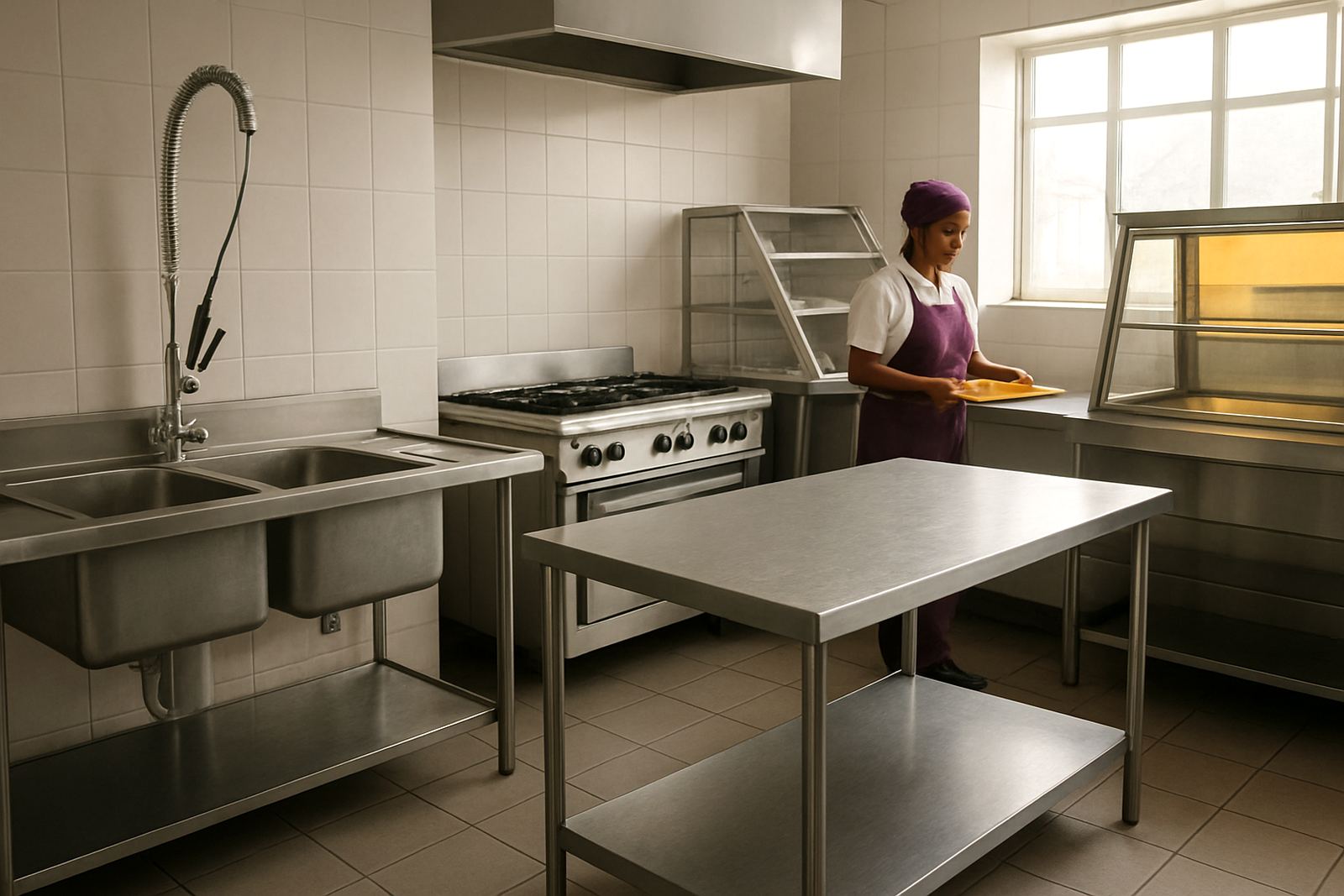
That kind of setup is common across the East Rand because many operators work from tight premises and need equipment that does more than one job. The burner can sit beside a stainless prep table, under a canopy or next to a sink run, as long as the layout is planned properly. For a business serving Germiston or Springs clients, the same unit can be loaded onto a delivery route and set up in another kitchen if the base is built for it.
What matters is not just the flame, but the workflow around it. When the stockpot burner is placed well, the kitchen stops losing time on heavy lifting and starts producing food at a steadier pace. That makes a real difference during power cuts and busy weekends, especialy when staff numbers are lean.
When a dedicated burner is the right choice
If your cooking is mostly small pan work, you may not need one. But if you regularly handle bulk soups, sauces, porridge, oil or stock, a dedicated low burner quickly earns its keep. It is especially useful where one person needs to manage long cooking cycles without stopping normal service.
For operators in Benoni, Boksburg, Brakpan, Springs, Kempton Park and Germiston, the right unit is usually the one that fits the room, the pot size and the daily menu. Once that is matched properly, the burner stops being another item on the floor and becomes part of the kitchen rhythm.
CaterKraft works with custom prep tables, sinks, servery counters, extractor canopies, shelving and counter changes, so the burner can be planned into the full working area rather than added at the end. That makes a more practical kitchen from day one.