Start With The Product Flow, Not The Floor Space
Before ordering a bench, map the full bakery flow from flour storage to mixing, proofing, finishing and dispatch. A compact cake shop in Benoni will need a very different layout from a takeaway bakery serving early-morning commuters in Boksburg or Germiston. The trick is to keep the busiest hand movements inside a short working arc, so staff do not cross paths every few seconds.
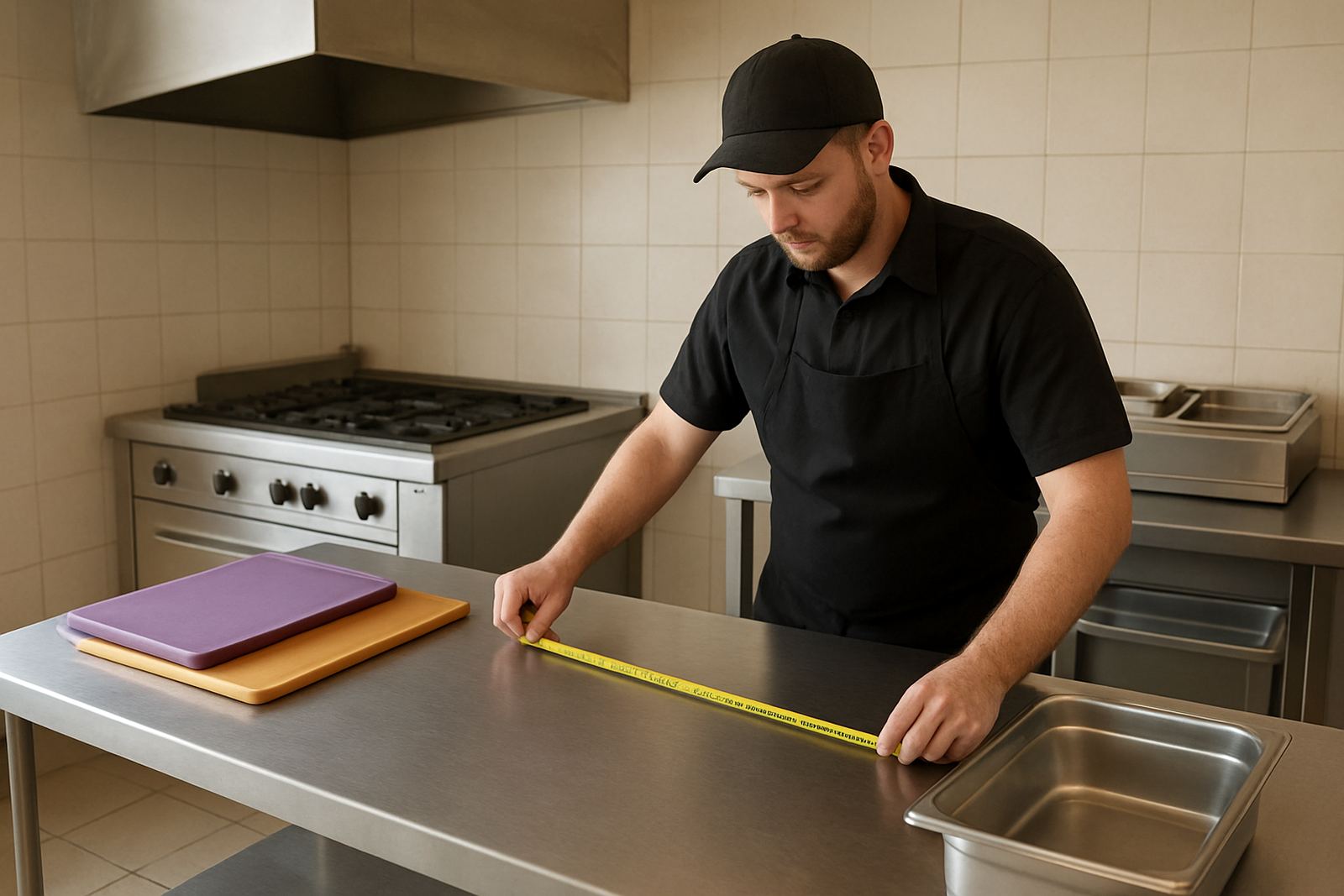
Measure the room properly and mark door swings, fridge openings, wall sockets and drainage points. If the bench sits too far from the mixer or packing station, you lose time on every batch. Over a full production day, that lost time adds up fast and the team feels it by lunch.
Bench Length Should Match The Batch Size
Bench length is often chosen by eye, but batch volume should drive the decision. A small batch cake operation may manage with 1,800 mm to 2,400 mm of linear benching, while a busier bread and pastry line often needs 3,000 mm or more, split into two working zones. If the bench is too short, trays end up stacked in the wrong place and finished goods get in the way of raw prep.
- Allow space for the main task, not just the equipment.
- Leave a clear section for tray turn-around and cooling.
- Keep the packing end separate from the mixing end where possible.
- Plan for one extra tray row, just in case orders climb on a Saturday.
For bakeries working around load-shedding, a longer bench can also help with staging. When power returns, staff can move quickly because ingredients, tins and tools are already laid out in order.
Undershelves Help, But Only If They Stay Practical
An undershelf sounds simple, yet it can make the difference between a tidy line and a cluttered one. Stainless undershelves keep bags, bins and trays off the floor, which is useful in wet prep areas and where municipal inspections are strict about cleanliness. In coastal towns or humid storage rooms, keeping stock raised also helps reduce moisture damage. It is a small thing but it saves money.
That said, an undershelf should not create a knee-height trap. Leave enough clearance for easy cleaning and for moving ingredient tubs in and out without scraping the floor. Some bakeries need open leg space on one side and closed storage on the other, depending on how often the team rotates stock.
- Use undershelves for flour, sugar, packaging and spare trays.
- Keep daily-use items on the working side, not at the back.
- Choose shelf height with your largest tub in mind.
- Make sure cleaners can reach under the bench without moving half the room.
Ingredient Reach Must Suit Real Bakery Work
Ingredient reach is one of the easiest things to get wrong. If the flour bin, scales, icing sugar and tins sit too far apart, the baker spends the shift walking in circles. In a bakery where several staff share the same bench, the reach zone should cover what is used every few minutes, not every hour. Anything else belongs on a side shelf, trolley or racking bay.
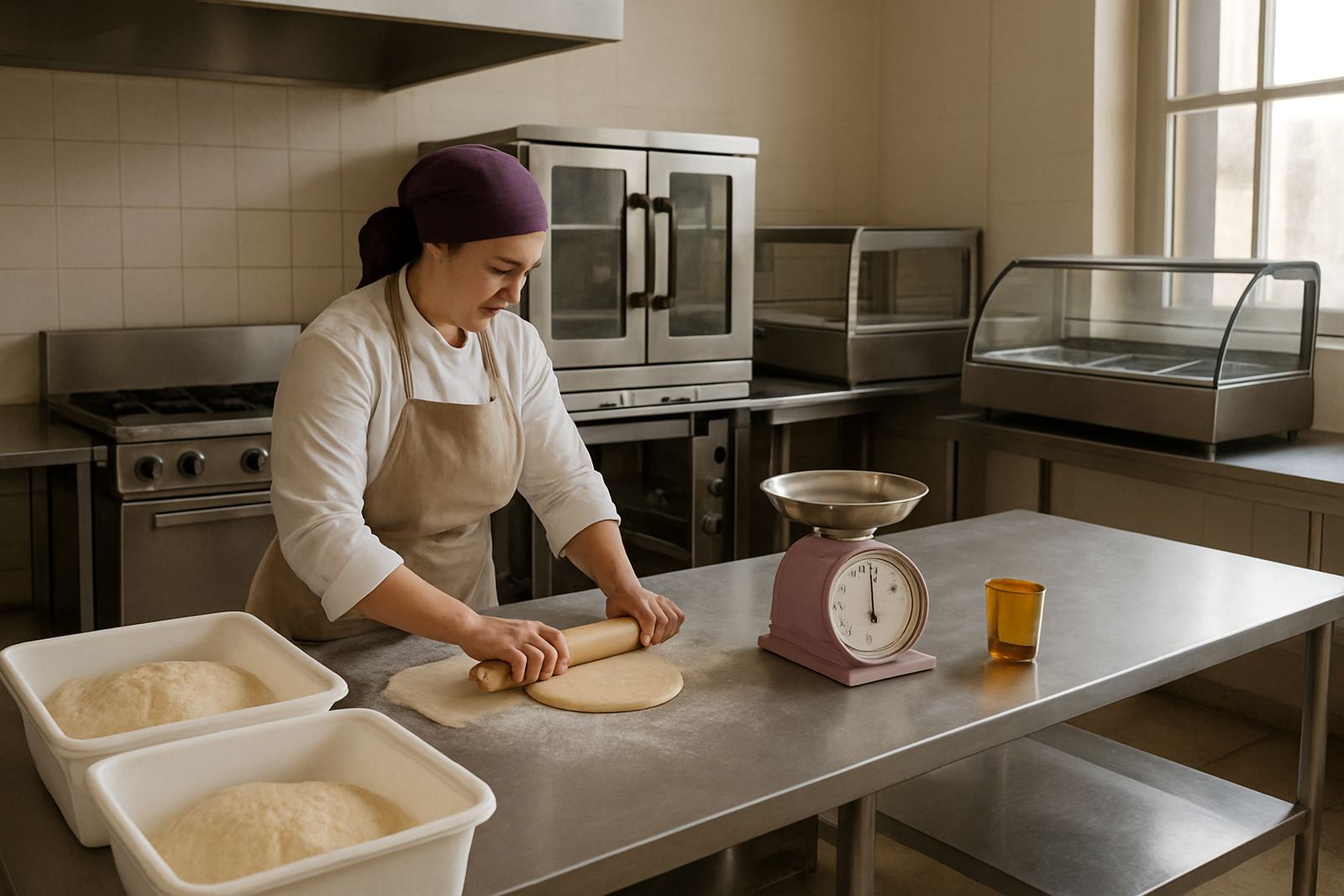
We often see benches planned for the room instead of the person. A tall counter may look neat, but if the top is too high for rolling dough, shoulders and wrists take a knock. Likewise, if the working surface is too low, staff bend all day and the back pays for it by Friday. A practical height, with enough leg room where needed, makes the shift easier and the output steadier.
Stainless Steel Holds Up Better In Busy Kitchens
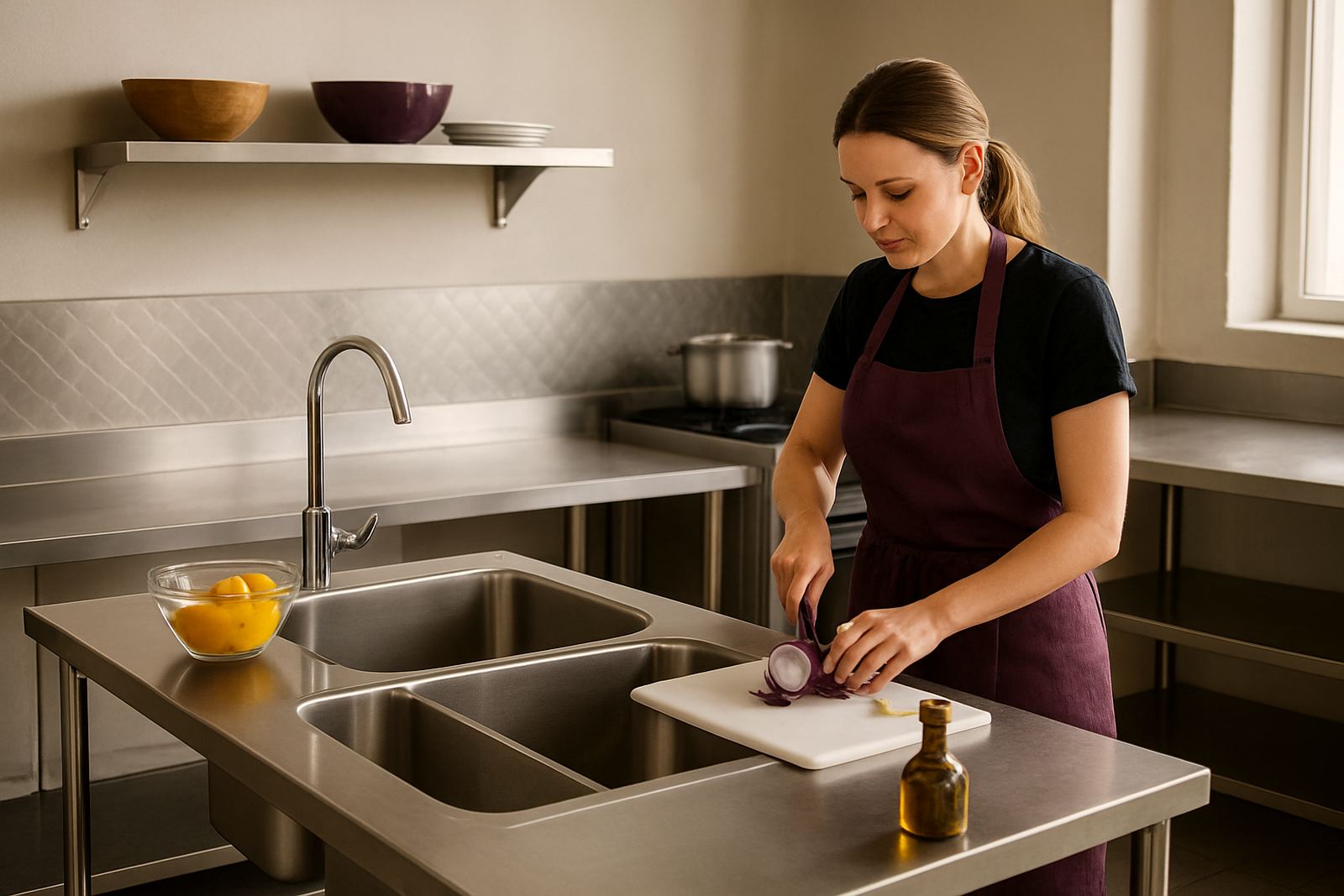
Bakery benches need to handle water, flour dust, heat, cleaning chemicals and the odd dropped tray. Stainless steel is popular because it cleans well and stands up to daily use in hot kitchens and takeaway prep rooms. On the East Rand, where many businesses run long hours and some sites have limited ventilation, a good steel bench is easier to keep in order than a surface that marks or swells.
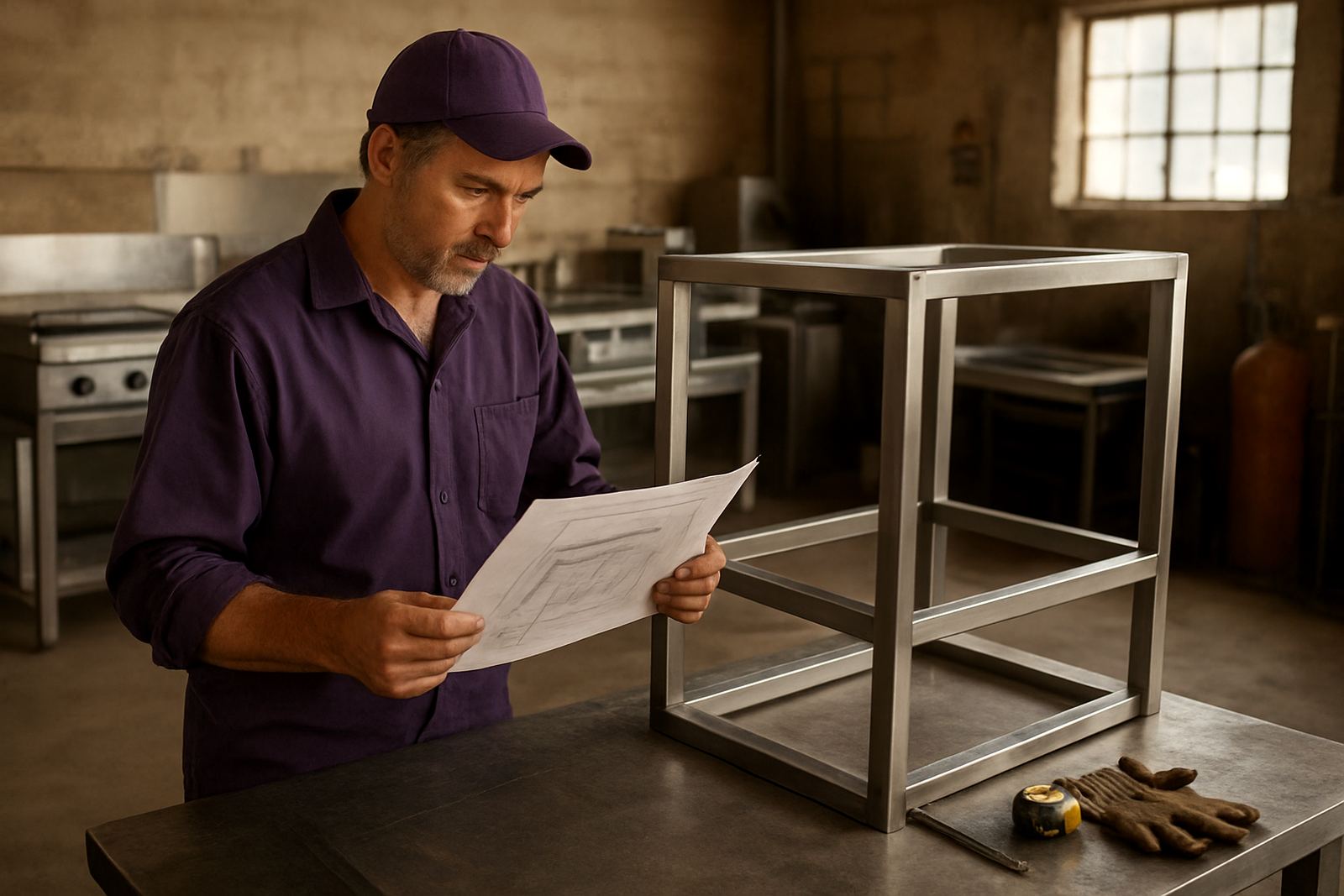
For custom work, think about the small details that matter in real use: rounded edges where staff pass each other, splash backs where mixers sit close to the wall, and a finish that wipes clean at closing time. If the bench is going near a sink or wash area, make sure the joins and support legs are made for constant moisture, not just light duty use.
- Choose a finish that handles flour, steam and regular cleaning.
- Ask for welded sections where heavy loading is expected.
- Use reinforced tops if dough work is done directly on the bench.
- Plan for easy cleaning around feet, legs and wall edges.
A Benoni Bakery Example With A Busy Morning Rush
A family bakery in Benoni asked for a setup that could handle bread, pastries and packed lunches from one small room. The old layout had a short bench, no undershelf and ingredient tubs stored across the passage. Staff were losing time every morning walking for trays and mixing bowls. Once the bench was extended, an undershelf added and the ingredient reach reorganised, the team could work from one side of the room to the other without constant backtracking. It was not fancy, just properly planned.
That kind of change matters because bakeries work to time. If a tray is late, everything behind it shifts. If the flour is too far away, the mixer waits. If the packing end is crowded, orders get mixed up. A better bench plan does not just tidy the room, it keeps the day moving.
Plan For Growth Before The Next Order Lands
Many bakeries start with one or two benches and then outgrow them within months. That is why it helps to think ahead by at least one production step. If you expect more trays, more frosting work or a second shift, leave room for another bench run or a mobile trolley line. It is easier to plan for growth at the start than to squeeze in another unit later and block the only clear walkway.
For sites in Benoni, Boksburg, Brakpan, Springs, Kempton Park and Germiston, we often recommend site measuring before any fabrication starts. A proper measure shows where the flow should run, where storage should sit and where a bench can be added later without a full rearrangement. The aim is simple: less walking, less waste, better pace and fewer bottlenecks when the orders stack up.