Start With The Right Holding Temperature
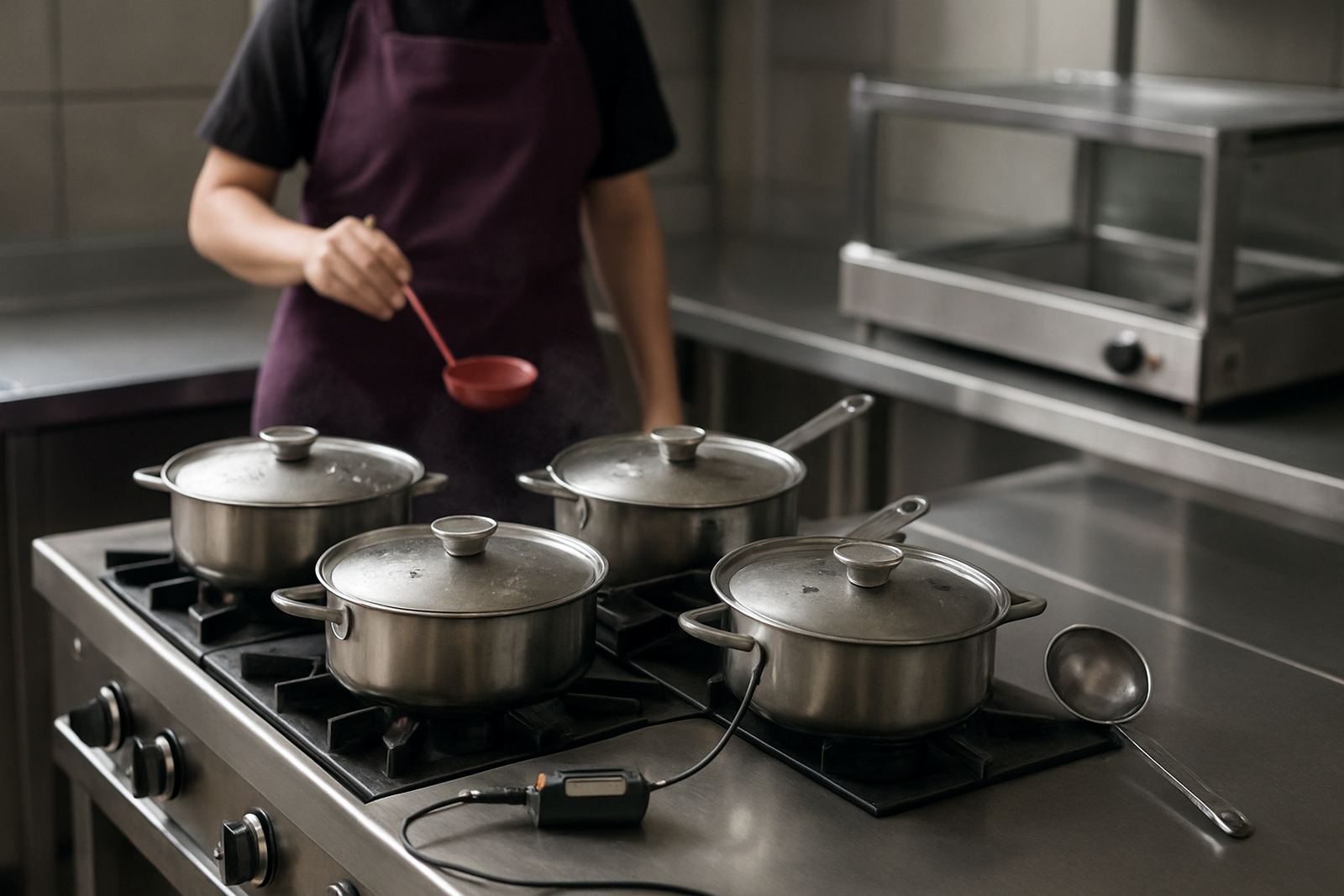
The first rule is simple: hot food must stay hot enough to be safe, but not so hot that it dries out or turns dark at the edges. In a busy kitchen or takeaway counter, the usual mistake is setting one high temperature and leaving it there all day. That works for some items, not for all of them. Rice, sauces, gravies, pre-cooked meats and vegetables all hold differently, so the team needs to know what stays in the bath, what needs stirring, and what should be topped up in smaller portions.
In practice, this means checking holding temperatures often, especially during slower afternoon periods when food can sit for longer. In Benoni, Boksburg or Germiston, a service lull between lunch and supper can turn into wasted stock if the heat is too low or the tray is overfilled. Keep lids on where possible, use smaller batch sizes and make sure staff know which items dry out first. A bain-marie works best when it is treated as a holding station, not a storage bin.
- Hold food in smaller pans and refill more often
- Keep lids on until the item is needed
- Stir sauces and gravies at set intervals
- Separate wetter items from dry items where you can
Use The Display Unit To Protect Colour And Texture
Display units are there to sell food, but they also protect it when they are set up correctly. If the heat is too aggressive, cooked chicken skin goes hard, pastries dry out and fried foods lose their clean finish. If there is not enough heat, the public sees food sitting in the open and asks questions about freshness. The balance matters, especially in takeaway shops where customers decide quickly.
A well planned display base gives food a better chance during quiet periods. It should hold trays at a sensible angle, keep the front clean and allow staff to replace items without interrupting the whole line. In a Springs or Kempton Park shop, where lunch trade can spike and then slow down sharply, a good display setup helps the team keep food moving without clutter. Humidity near the East Rand can also affect crisp items, so do not pile them too close to the heat source.
- Keep crisp foods away from steam
- Rotate trays so older stock is used first
- Clean the glass and tray edges during service
- Leave enough space for quick tray changes
Batch Smaller When Trade Drops
Slow periods call for smaller production. If the kitchen keeps loading full pans because the lunch rush was strong, quality will slip before the next peak arrives. This is where prep discipline saves money. Rather make half pans more often than one oversized pan that sits and overcooks at the edges. For items like roast chicken portions, starches and sauces, the older stock must be used first and topped up in the right order.
In a Benoni or Brakpan takeaway, the team often knows the rhythm of the day better than the order book does. School runs, payday traffic and load-shedding all change demand. When the foot count drops, the cook should reduce the batch size and the cashier should keep an eye on what is likely to move next. That saves energy, reduces waste and keeps the food looking like it was just prepared.
A good rule is to prep for the next 30 to 45 minutes, not the next three hours. If the counter stays full for too long, the food loses value. The public can see that immediately.
Plan For Power Cuts And Slow Recovery Times
Load-shedding is part of daily planning now, and holding food longer means planning for what happens when power drops or returns late. Gas ranges help with recovery, but they still need a clear process. Staff should know which items can stay in insulated or covered holding, which must be reheated properly, and which need to be discarded. There is no shortcut here. Once food has fallen out of safe temperature control, it should not go back on the line.
This is where simple equipment layout helps. If the prep table, hot holding point and serving area are too far apart, the team loses time and control. In a Germiston or Springs kitchen, a compact flow makes it easier to move product safely during a power interruption. Keep thermometers in reach, keep gas cylinders secured, and check that the extractor canopy can still clear heat and steam when the line is working harder than usual.
- Write down the steps for outage periods
- Train staff on what can be held and what must be thrown out
- Keep a working thermometer at the line
- Secure cylinders and check hose condition regularly
Make Prep Tables Work For Faster Recovery
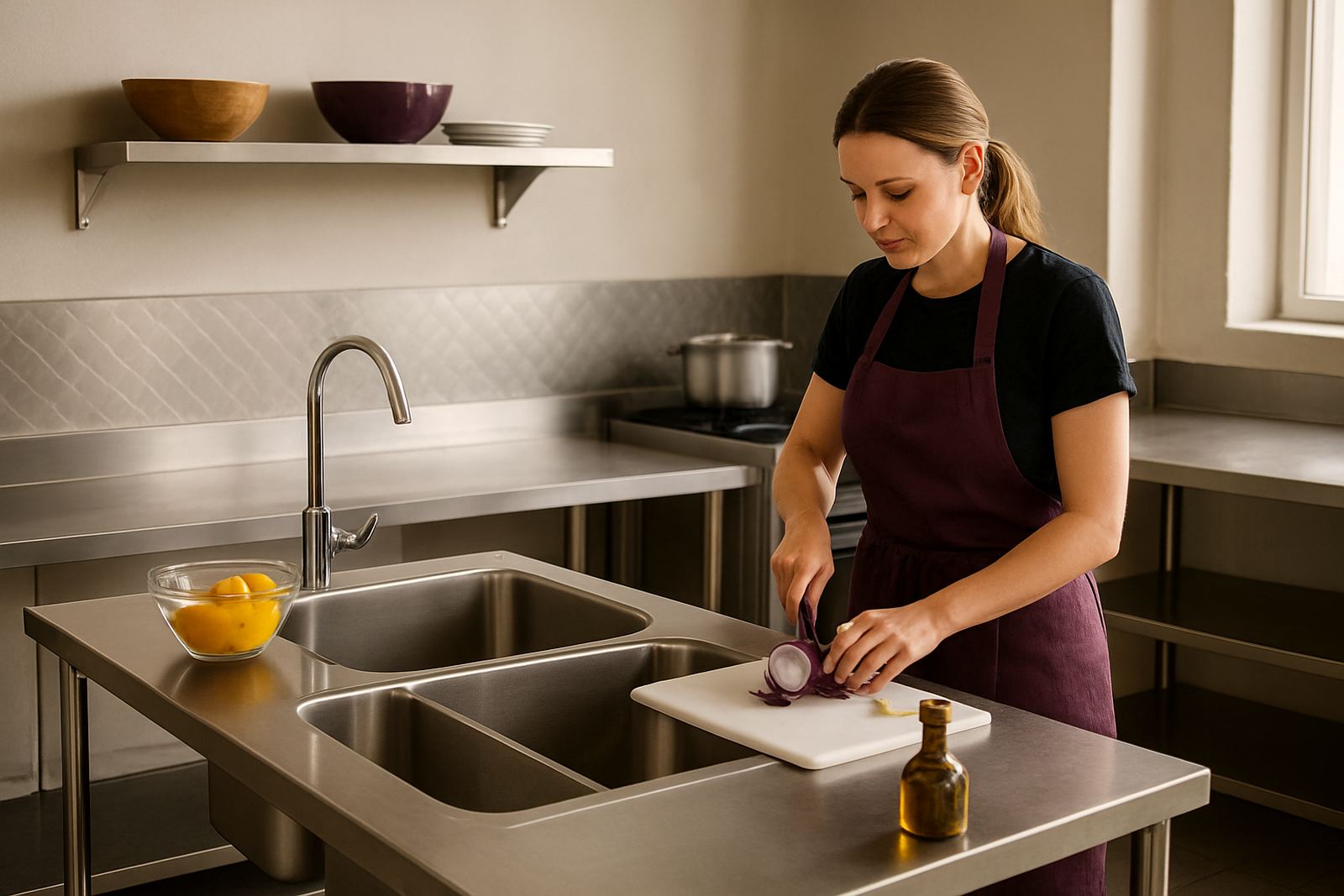
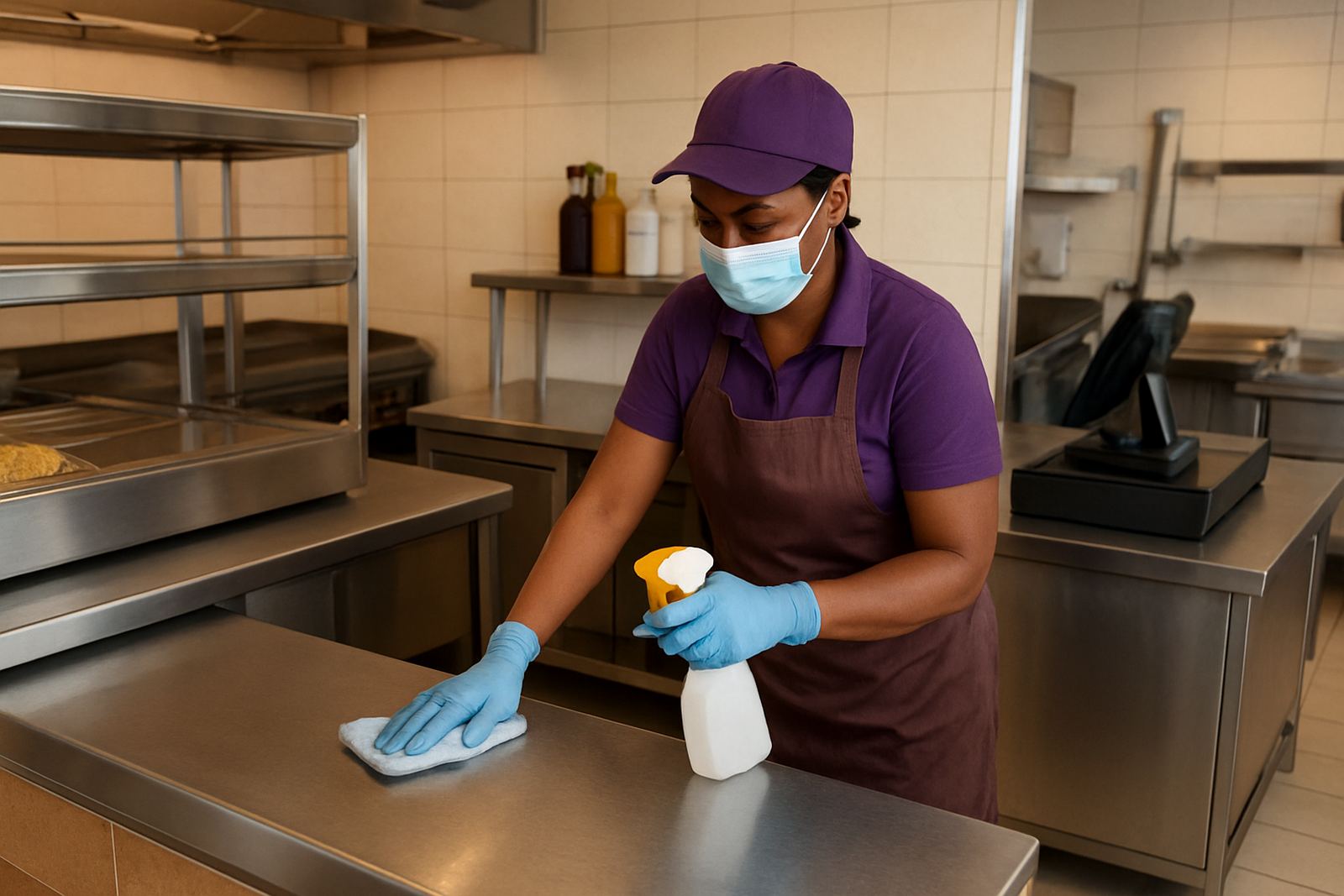
Prep tables are often treated as a back-of-house detail, but they matter when service slows and the team needs to recover quickly. A clean stainless table lets staff portion, plate and refill without crossing the kitchen twice. That saves time and keeps the holding area tidier. It also makes it easier to clean up spills before they become a slip risk or a hygiene problem.
For a small catering kitchen or takeaway in the East Rand, the right table height and shelf layout can make a long day feel manageable. If trays, pans and utensils are stored where the cook can reach them without bending or stretching too far, food moves faster and sits for less time. That means less drying out and less stress on the staff. A cluttered prep space, on the other hand, leads to delays and mistakes.
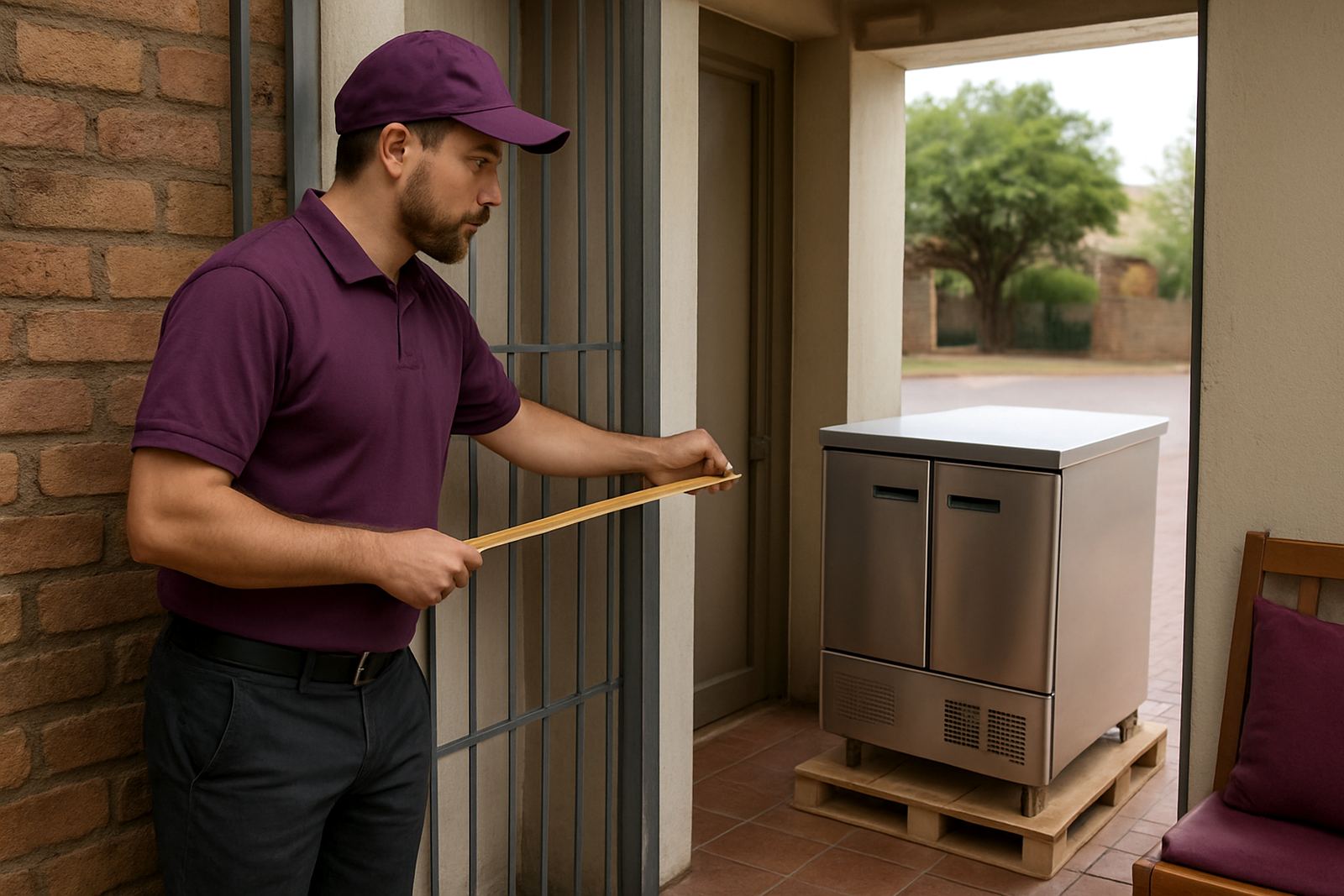
Custom prep tables, sink units and shelving should match the real size of the room, not an ideal layout on paper. Site measuring before fabrication helps avoid a setup that looks fine but slows the team down during service.
Watch The Signs That Food Has Sat Too Long
There are practical signs that food is holding too long even before it becomes unsafe. Sauce starts to skin over. Meat edges darken. Chips soften. Vegetables lose colour. If staff know these signs, they can change the batch or move the item off display before customers notice. That is better than trying to rescue food that should have been replaced earlier.
Good teams do a quick check every service cycle. They look at appearance, smell, texture and holding time, not just the thermometer. In a busy municipal area where customers expect value for money, stale-looking food damages repeat trade very quickly. A cleaner holding line tells people the kitchen is paying attention. Even a small change like covering a tray sooner can make the difference.
- Check for skinning, drying and colour loss
- Replace food before it looks tired
- Use clean utensils for every tray
- Record holding times during service
Local Kitchens Need Practical Holding Systems
Food that holds well is usually the result of good planning, good equipment and a team that understands the pace of the day. In Benoni, where CaterKraft works from the East Rand base and delivers nationally, the most effective setups are the ones that suit the room, the menu and the power conditions on site. A takeaway near a busy road will need different holding habits from a catering prep kitchen serving functions across Gauteng.
That is why custom stainless prep tables, servery counters, bain-marie units, extractor canopies and mobile trolleys all matter in the same conversation. When the line is built around the real workflow, food spends less time waiting and more time being served at its best. The result is less waste, better presentation and a safer counter for staff and customers alike. It is plain work, but it pays back every day.
For kitchens in Benoni, Boksburg, Brakpan, Springs, Kempton Park and Germiston, the aim is the same: keep food moving, keep it covered and keep it looking right until the last serving goes out.