What an undershelf actually does on a prep table
An undershelf is the fixed or adjustable shelf fitted below the main work top of a prep table. In a kitchen, takeaway or bakery it creates a second level of storage without taking up extra floor space. That matters in Benoni, Boksburg and other East Rand kitchens where every metre has to work hard.
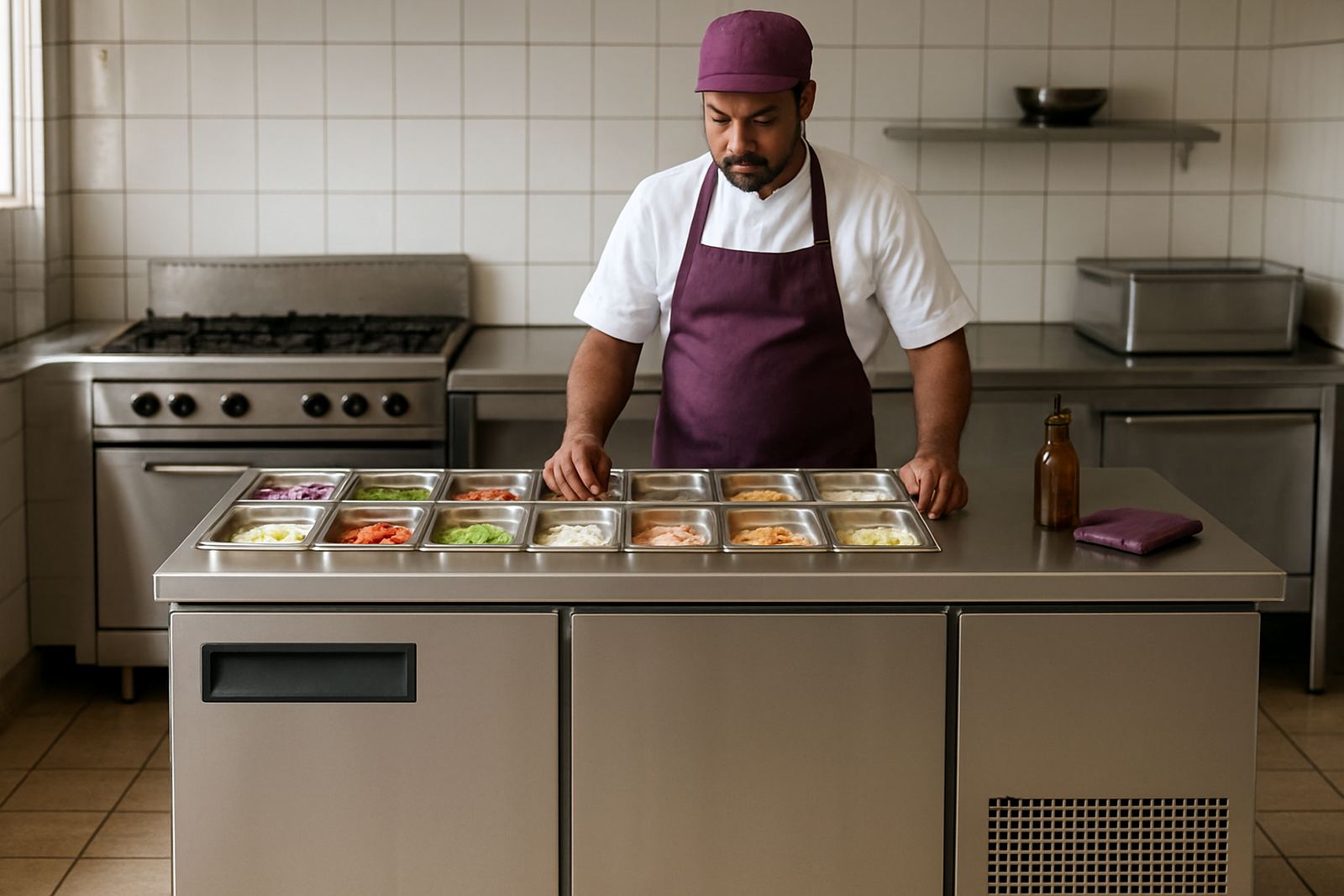
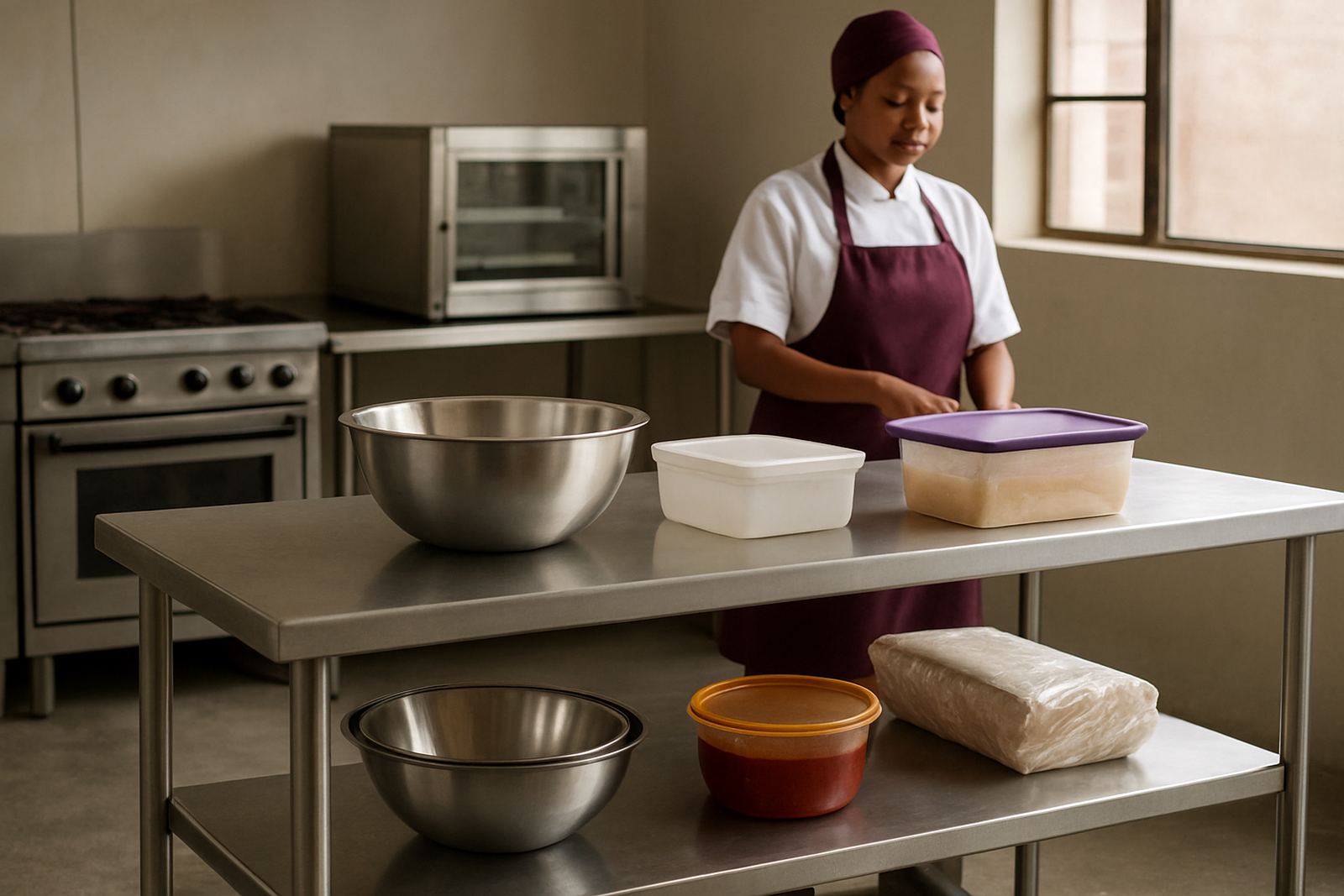
The first benefit is simple organisation. Mixing bowls, storage crates, containers, cutting boards and small appliances all need a home. If they sit on the floor they collect dust and get in the way of cleaning. If they sit on the work top they steal valuable prep space. An undershelf keeps the main surface open for food handling, packing and plating.
It also helps with workflow. Staff do not have to walk away to find what they need, and that saves time during rush periods. In a small takeaway or school canteen, those saved steps add up quickly.
Why storage below the work top improves service speed
Good kitchens run on reach, not on walking. When the items used most often are stored below the table, the team can move from prep to service with less delay. That is useful during lunch rushes, weekend trading, and busy catering set ups where tables need to be loaded fast and cleared just as fast.
An undershelf also helps separate clean items from active prep areas. A stack of clean trays can live below the top while ingredients stay up front. That keeps the table tidy, and a tidy table is easier to clean properly. It sounds small, but in a kitchen with a few staff on shift the difference is noticeable.
- Store GN pans, trays and tubs within arm’s reach
- Keep dry goods off the floor and away from spills
- Separate prep tools from serving items
- Reduce the need for extra cupboards in tight rooms
For businesses working in older buildings around Germiston or Springs, storage is often the real problem, not the work top itself. An undershelf is a practical way to add capacity without changing the whole layout.
How an undershelf adds strength to the table frame
An undershelf is not only about storage. It also helps the structure of the table. On a well made stainless steel prep table, the shelf ties the legs together and reduces wobble. That matters when the table carries heavy mixers, crates of vegetables, gas equipment or full pots during service.
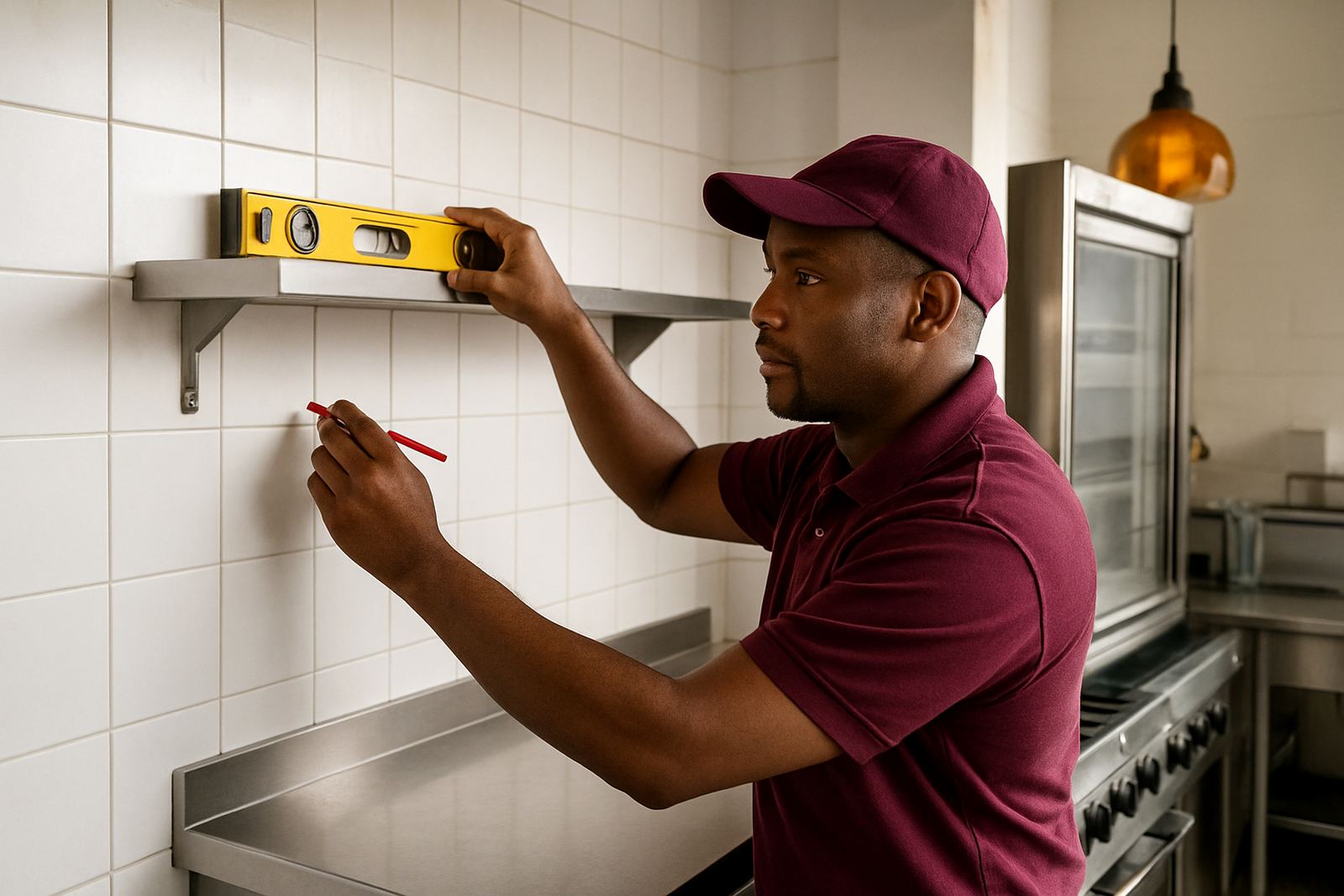
In real use, tables take knocks. Staff lean on them, push trolleys against them, and slide containers across them. A stronger frame means less movement and less strain on joints and welds. Over time, that can help the table stay square and level, which is important for safe prep work.
If a table sits on an uneven floor or on a surface with slight slope, the extra support from the undershelf can make the whole unit feel more settled. In kitchens where the power cuts come and go, and the pace changes quickly during load shedding, that steady feel gives staff one less thing to worry about.
Choosing the right shelf height and clearance
Not every undershelf should sit at the same height. The right clearance depends on what you plan to store. If the shelf is too high, it wastes space. If it is too low, you cannot fit standard crates or containers underneath. The right gap should suit the way your team works, not just the look of the table.
For many prep areas, a shelf height that allows easy access to bulk containers, stock boxes and utensils works best. If the table is being used for pastries or light assembly, smaller items may be enough. If it is for a busy butchery or catering store, you may want more height for heavier tubs and trays.
- Measure the tallest item that must fit under the table
- Leave enough room for cleaning equipment to reach beneath
- Check whether staff need to sit, stand, or wheel items under the frame
- Allow space for splash zones near sinks and wash areas
It is worth getting the dimensions right before fabrication starts. A table that looks fine on paper can become awkward in daily use if the shelf sits in the wrong place, or if there is no room for the bins and trays you actually use.
Keeping hygiene and cleaning in mind
In food spaces, anything that touches the floor becomes harder to keep clean. An undershelf helps lift equipment and supplies away from direct floor contact, which is better for hygiene and easier for mopping. That is especially useful in hot, humid areas near the coast, but it also matters in inland kitchens where dust builds up fast.
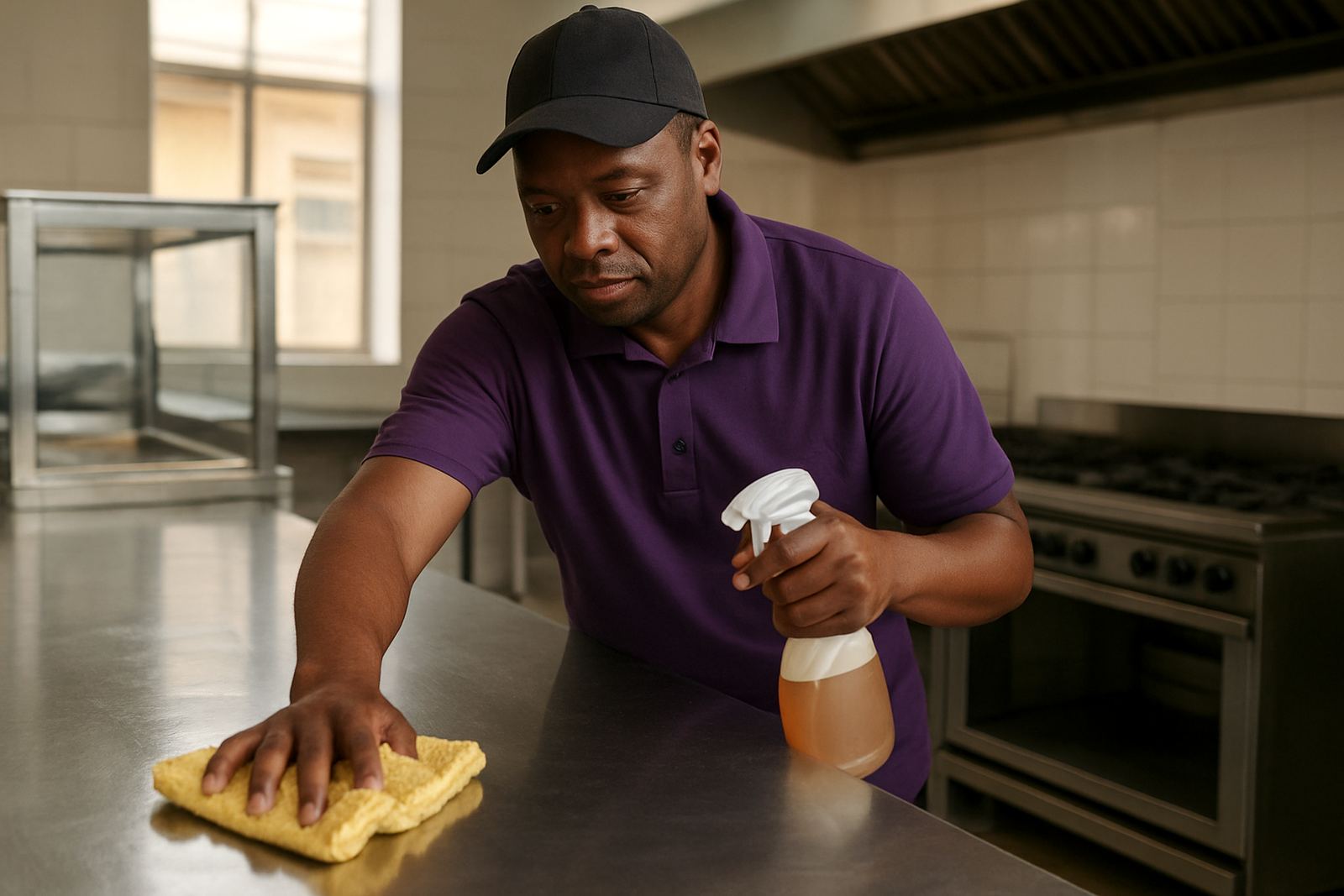
Stainless steel undershelves are easy to wipe down and they do not absorb moisture the way timber can. That makes them a sensible choice for bakeries, takeaway kitchens and catering rooms that need regular cleaning between shifts. If the table is close to a sink or a servery line, the shelf should be set so it does not trap water or block access to the floor below.
Where municipal inspections are strict, simple things matter. Clear access under the table, no hidden dirt traps, and enough space for proper cleaning all help a kitchen stay in order. A good undershelf supports that routine instead of getting in the way.
A Benoni takeaway example that shows the difference
A small takeaway in Benoni once started with open prep tables and loose crate storage beside the cooking line. Staff kept moving boxes, trays and utensils from one side of the room to the other, and the prep area stayed cramped through the lunch run. After fitting prep tables with undershelves, the team stored dry stock, service trays and containers below the work tops and cleared the floor space around the line.
The result was not only neater. Staff could plate faster, clean faster and work with less back and forth. The table also felt more solid when loaded with ingredients and equipment. It did not solve every challenge in the shop, but it made the workspace more practical in a very direct way.
That is the point of an undershelf. It is not an extra feature for show. It is a working part of the table that helps a kitchen stay organised under pressure, whether the site is in Benoni, Boksburg, Brakpan, Kempton Park or Germiston.
When to choose a plain table and when to add the shelf
There are times when a plain table is enough, but many kitchens outgrow that setup quickly. If your team keeps supplies on the floor, uses extra racks to compensate, or struggles to find space for daily tools, an undershelf is usually worth it. The same goes for sites that want cleaner walkways and fewer loose items around the prep line.
For custom work, the best approach is to look at the actual room, the stock flow and the cleaning routine before the table is made. That way the shelf supports the job instead of creating another obstacle. A well planned prep table should suit the people who use it every day, not only the dimensions on a drawing.
In practice, undershelves save space, improve stability and make the whole station easier to manage. For a busy South African kitchen, that is often the difference between a table that merely fills a gap and a table that really helps the business run.