Why small hot-holding units earn their keep
In a busy kitchen, the holding point is where speed meets consistency. A proper countertop hot-holding unit keeps food at service temperature while you finish orders, top up a buffet or hold sauce for plated meals. That matters when the lunch rush hits and the gas line, prep area and pass all need to work together.
For soups, gravies and ready portions, the goal is not just heat. It is stable heat. A unit that swings up and down can thicken sauces, dry out mash or leave a soup skin on top. Good holding equipment gives you control, which is especially useful during load-shedding when you are stretching every minute of powered cooking time and need the food to stay service-ready after prep.
We see these units used in takeaway counters in Benoni, school kitchens in Boksburg and small caterers working weddings around Springs and Kempton Park. The same principle applies in all of them: hold the food safely, keep service moving and avoid wasted batches.
Choose the right format for your menu
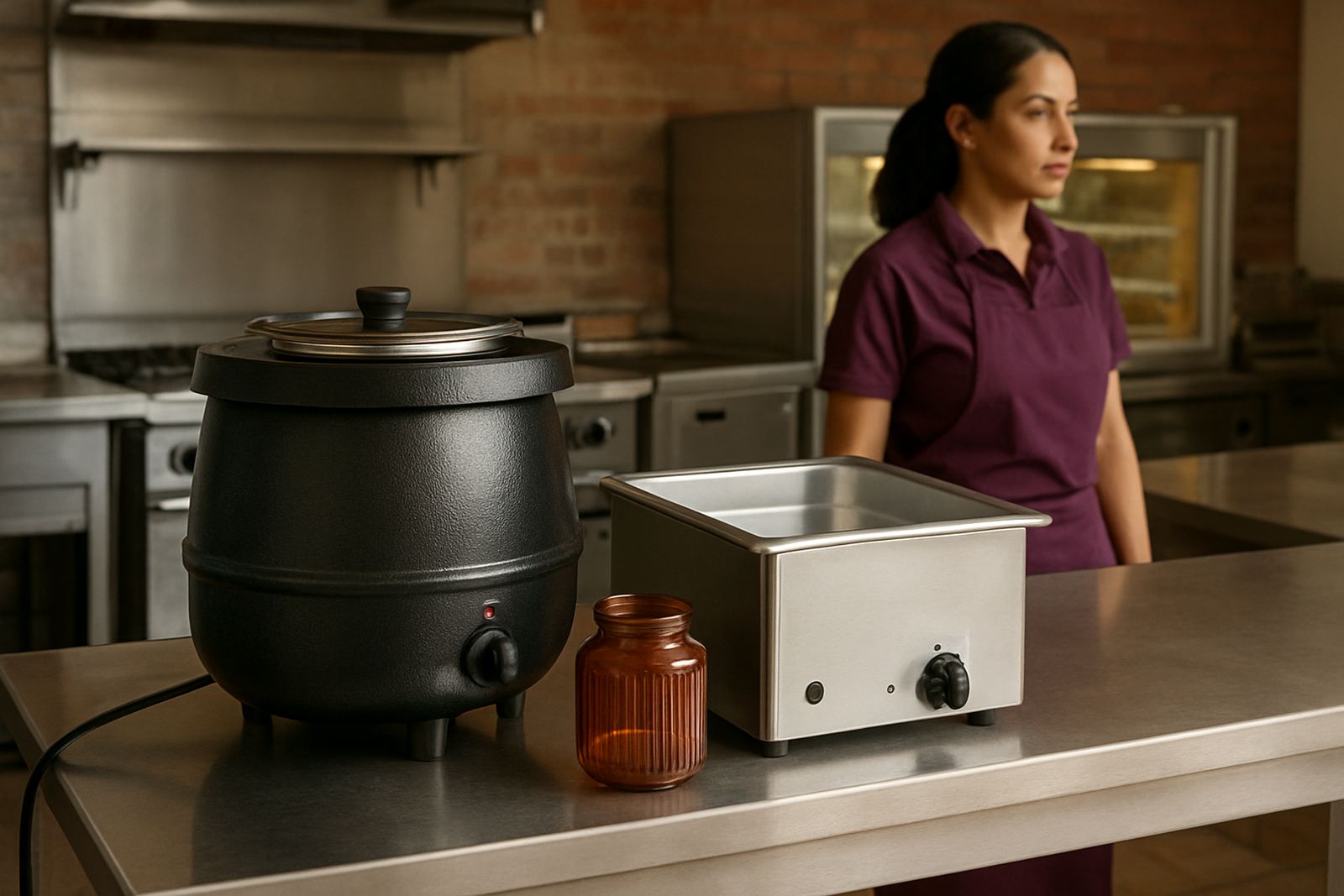
Not every operation needs the same setup. Some kitchens need a simple bain-marie style hold for a few pans. Others need a deeper counter unit with a heated well, a sneeze guard and space for repeated serving. The best choice depends on what you are holding, how often you refill and how much counter space you can spare.
If you work with soups, curry, gravy and sauce, look for units with removable pans and lids so you can portion cleanly. If you are serving pre-plated meals, a flat heated holding surface or a compact warming box may make more sense. For display-led service, such as a deli counter or lunch counter in Germiston, visibility matters almost as much as temperature.
- For soups and stews, use deeper pans with lids to reduce evaporation.
- For gravies and sauces, keep a gentle, even heat and stir regularly.
- For plated portions, choose a unit that lets you load and remove items fast.
- For front-of-house counters, factor in glass guards and customer reach.
Ask how the unit will be used at peak time, not only at opening. A unit that seems fine for 20 portions may struggle when the queue stretches and the same pan gets dipped into every few minutes.
Materials and build details that matter in daily service
Countertop holding equipment takes a lot of wear. Steam rises, spills happen and cleaners get used hard at the end of the day. Stainless steel is the sensible choice for the body, frame and food-contact areas because it handles moisture well and is easier to wipe down. In coastal humidity or kitchens that close late, that matters more than most people expect.
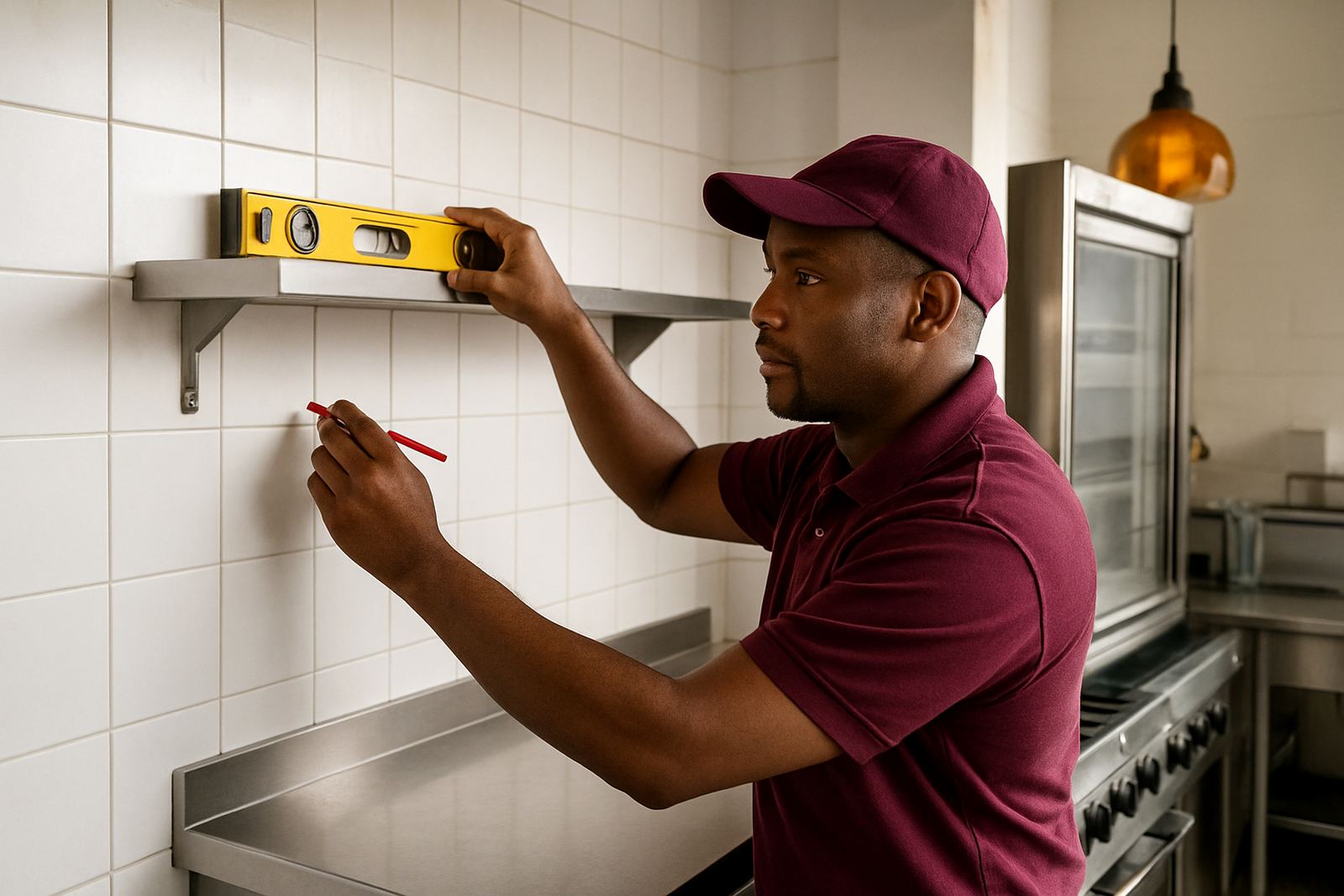
Pay attention to the edges, pan recesses and control layout. Sharp corners collect grime. Loose fittings rattle. Poorly placed switches can get splashed during service. A well-built unit should sit level on the counter, drain or wipe clean easily and not rock when pans are lifted out.
It is also worth checking the electrical load and plug position before you buy. Some kitchens in older Benoni and Brakpan buildings have limited socket access, which becomes a problem when a hot-holding unit is placed after the extraction canopy, till point and beverage station have already claimed the available wall space.
When the layout is tight, a compact custom unit or a modified base can make the difference between a clean pass and a cluttered one. Site measuring helps avoid that kind of last-minute compromise.
What to look for before you place an order
The right unit should match your menu, your counter height and your daily cleaning routine. Measure the space properly and think about the direction of service. If staff must reach over the unit, fill from the rear and serve from the front, the dimensions need to suit that workflow.
- Check internal pan size and depth against your portion plan.
- Confirm whether the temperature control is easy to reach during service.
- Ask how the unit handles splashes, steam and overnight cleaning.
- Make sure the power connection suits the kitchen layout and municipal safety rules.
- Look at access for maintenance so the unit can be serviced without removing the whole counter.
It is also wise to think about ventilation. Holding hot food under poor extraction can add steam and condensation to a small room, especially in takeaway kitchens where the counter sits close to the cookline. A unit works better when the counter, extractor and service flow have been planned together.
Local example from a Benoni lunch counter
A small lunch counter in Benoni wanted to hold soup, curry gravy and two side dishes without crowding the till area. The kitchen had limited floor space, one service point and a habit of losing time during afternoon power interruptions. The solution was a compact countertop holding setup with stainless pan wells, simple controls and enough room for ladling from the front.
We measured the available counter, checked the nearby socket position and adjusted the layout so the staff could refill from the prep side. The result was less mess, quicker service and fewer complaints about food cooling down before the last customer in the queue was served. The owner also found that portion control improved because the team could see exactly how much was left in each pan.
That kind of result is common on the East Rand. A good holding unit does not need to be complicated. It just needs to suit the kitchen, the menu and the pace of trade.
How CaterKraft supports holding and service counters
CaterKraft works from Benoni on the East Rand, supplying kitchens and takeaways across Boksburg, Brakpan, Springs, Kempton Park and Germiston, with national delivery available. For countertop holding options, the practical step is to start with the menu and the space, then build or supply to suit. That may include custom prep tables, counter modifications, stainless recladding, display unit bases or site measuring before fabrication.
We also handle related items such as servery counters, extractor canopies, shelving and racking, mobile trolleys and custom sinks. That matters because hot-holding rarely sits alone. It works best when the surrounding counter is correct, the cleaning route is sensible and the service point can take the daily punishment of a commercial kitchen.
For kitchens that need a straight answer, the main question is simple: can the unit hold food safely, cleanly and steadily through a full service? If the answer is yes, you will feel it every lunch rush.