When standard sizes leave dead space
The clearest time to custom fabricate is when a standard unit leaves wasted space that staff have to work around every day. A 1.2 metre prep table may look fine on paper, but if the wall space is 1.35 metres and the next aisle is tight, that extra gap becomes a dust trap and a cleaning problem. In a small kitchen, every gap matters.
This comes up often in Benoni, Boksburg and Germiston where older buildings were not planned for modern catering equipment. You may have pillars, odd corners, low windows or a drain point that sits in the wrong place. Instead of forcing the layout to fit stock items, made-to-size stainless equipment lets the room work as it should.
- Spaces with irregular wall lengths or corner returns
- Sites with columns, plumbing points or posts in the wrong position
- Walkways that must stay clear for staff and deliveries
- Rooms where off-the-shelf tables leave unusable gaps
When hygiene rules and cleaning access are a problem
Custom fabrication is often the right call when a site needs easier cleaning and better hygiene control. Stainless surfaces can be built to fit against walls, around drains and under counters with fewer dust-collecting gaps. That helps in takeaway kitchens, school canteens, butchery prep areas and any food service site where daily wiping down is non-negotiable.
If municipal inspectors or internal food safety checks have pointed out difficult-to-clean corners, that is usually a sign the equipment should be changed not the staff. A custom sink, fitted splashback or modified servery counter can reduce splatter, standing water and clutter. In coastal areas further afield, proper stainless detailing also helps with humidity and corrosion.
- Hard-to-reach corners behind counters and sinks
- Water pooling under tables or around legs
- Splash zones near wash areas and bain-maries
- Cleaning routes blocked by fixed shelves or pipes
When the service line has to move faster
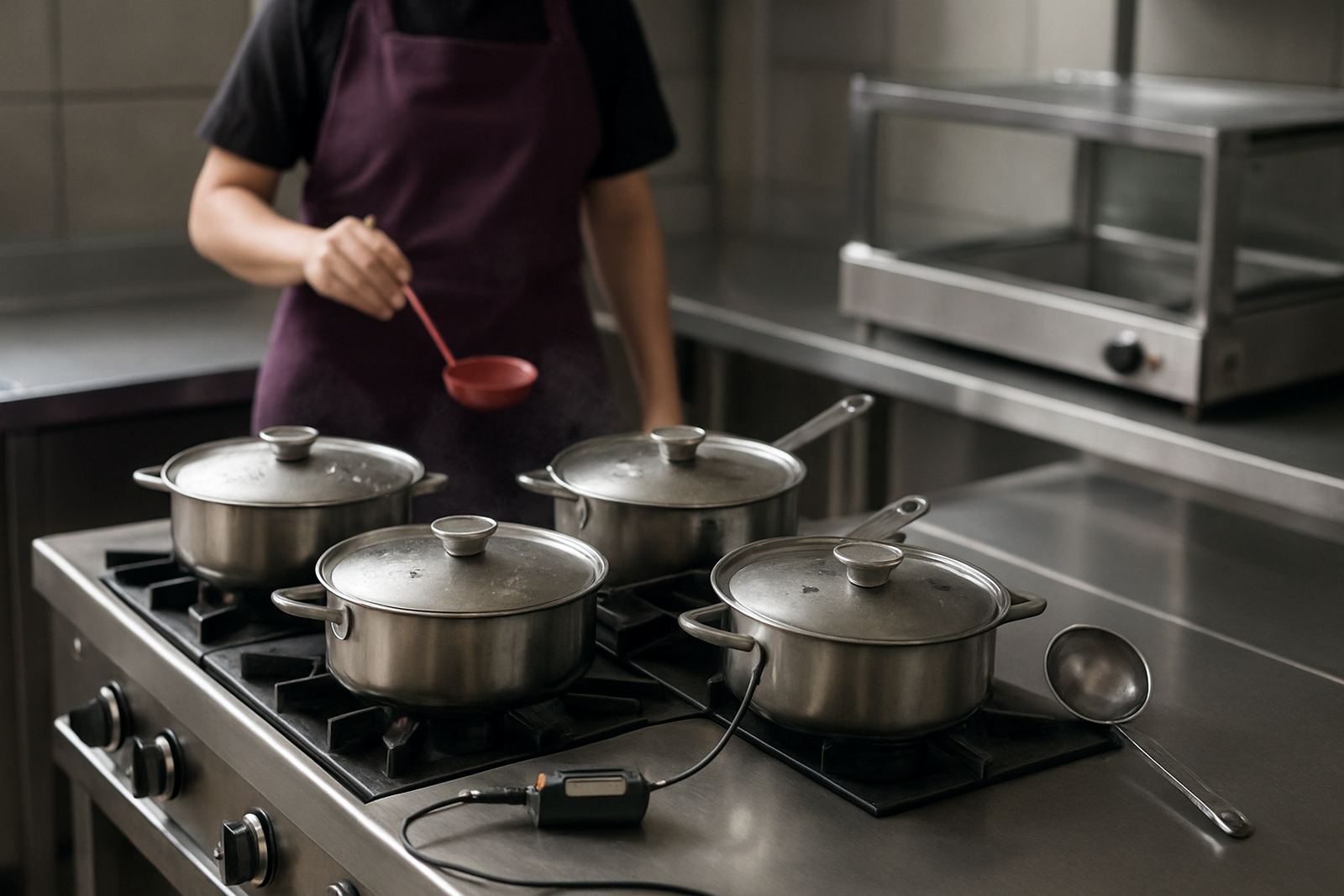
Some kitchens need more than storage, they need flow. If staff are crossing paths between prep, cooking, plating and service, then custom counters and mobile trolleys can shorten those movements. That matters during lunch rushes, weekend trade and load-shedding periods when a generator or gas setup is already making operations more complicated.
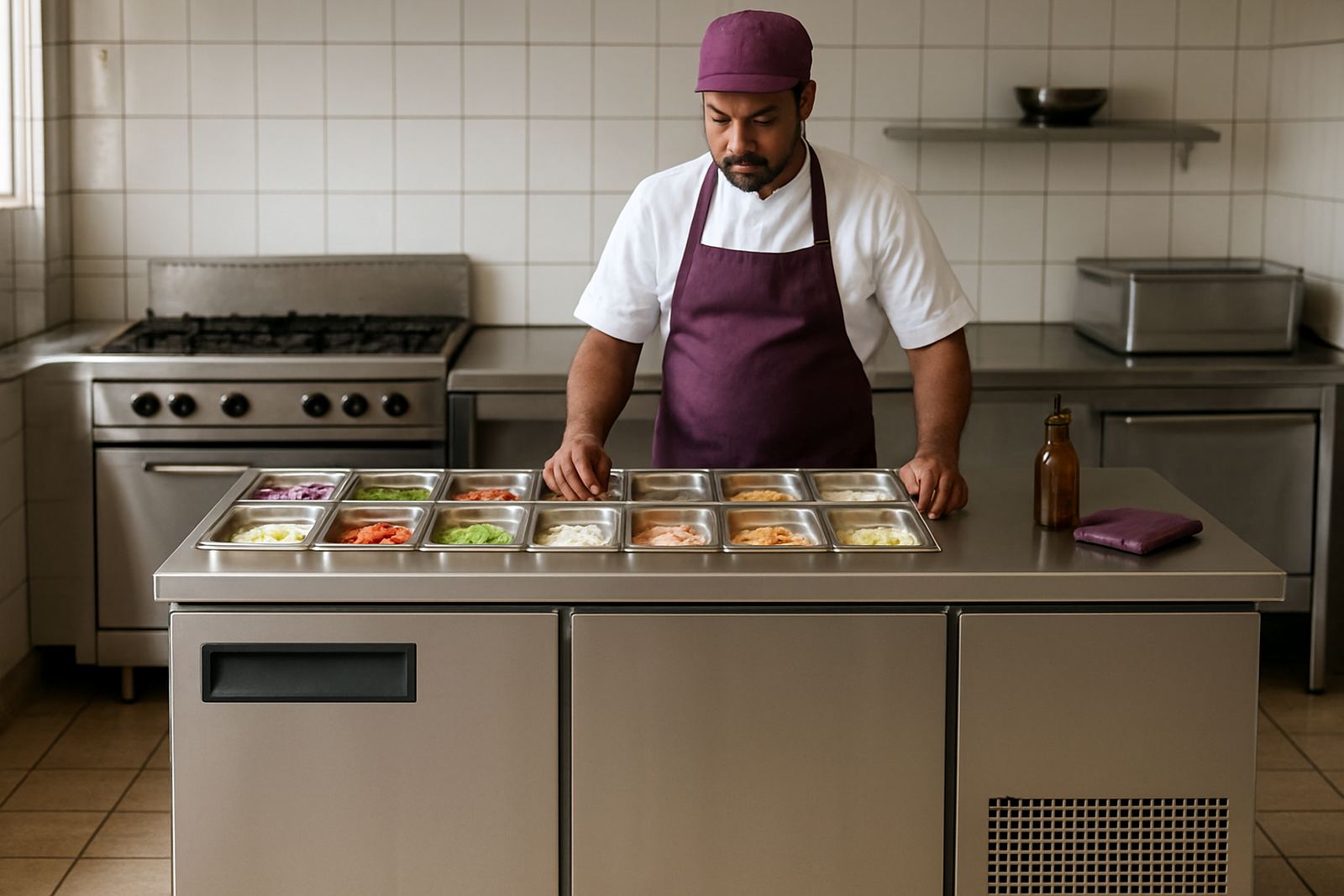
For takeaways and caterers, the layout must support speed without creating unsafe bottlenecks. A made-to-size servery counter can be built with the right pass-through height, under-shelf space and display area. Display unit bases can be matched to the units above them so the whole front line feels planned rather than patched together. It also helps when trays, bain-maries and cash-up points need to sit in one straight run.
When your equipment needs to carry weight every day
There is a point where repeated repairs cost more than getting the right unit made once. If a prep table keeps wobbling, a shelf bends under stock, or a counter panel is already rusting, custom fabrication may be the better long-term move. In a busy East Rand kitchen, equipment gets knocked, wiped down and heated up daily, so the build has to cope with real use.
Our view is simple: if the unit must support heavy pots, gas ranges, crates of ingredients or stacks of plates, it should be built for that load from the start. Stronger bracing, proper leg placement and correct material thickness all matter. A custom-built item may not be the cheapest option on day one but it often avoids repeat downtime and replacements.
- Tables that carry heavy pots, mixers or stock crates
- Shelving that keeps sagging under repeated use
- Mobile trolleys that need better stability on uneven floors
- Units exposed to heat, steam and daily impact
When a site upgrade has to happen without stopping trade
Many businesses in Springs, Brakpan and Kempton Park cannot shut down for long. If you are replacing part of a kitchen while still serving customers, custom fabrication can be done in stages. Site measuring makes a difference here because each item can be planned to fit the exact opening, and counters can be fabricated to match existing equipment so the changeover is cleaner.
This is also where counter modifications and stainless recladding are practical. A worn counter does not always need to be removed entirely. Sometimes the base is still sound, and only the working surface or front panel needs attention. That keeps disruption lower and helps the site stay open while the upgrade is done.
What to ask before you decide on custom fabrication
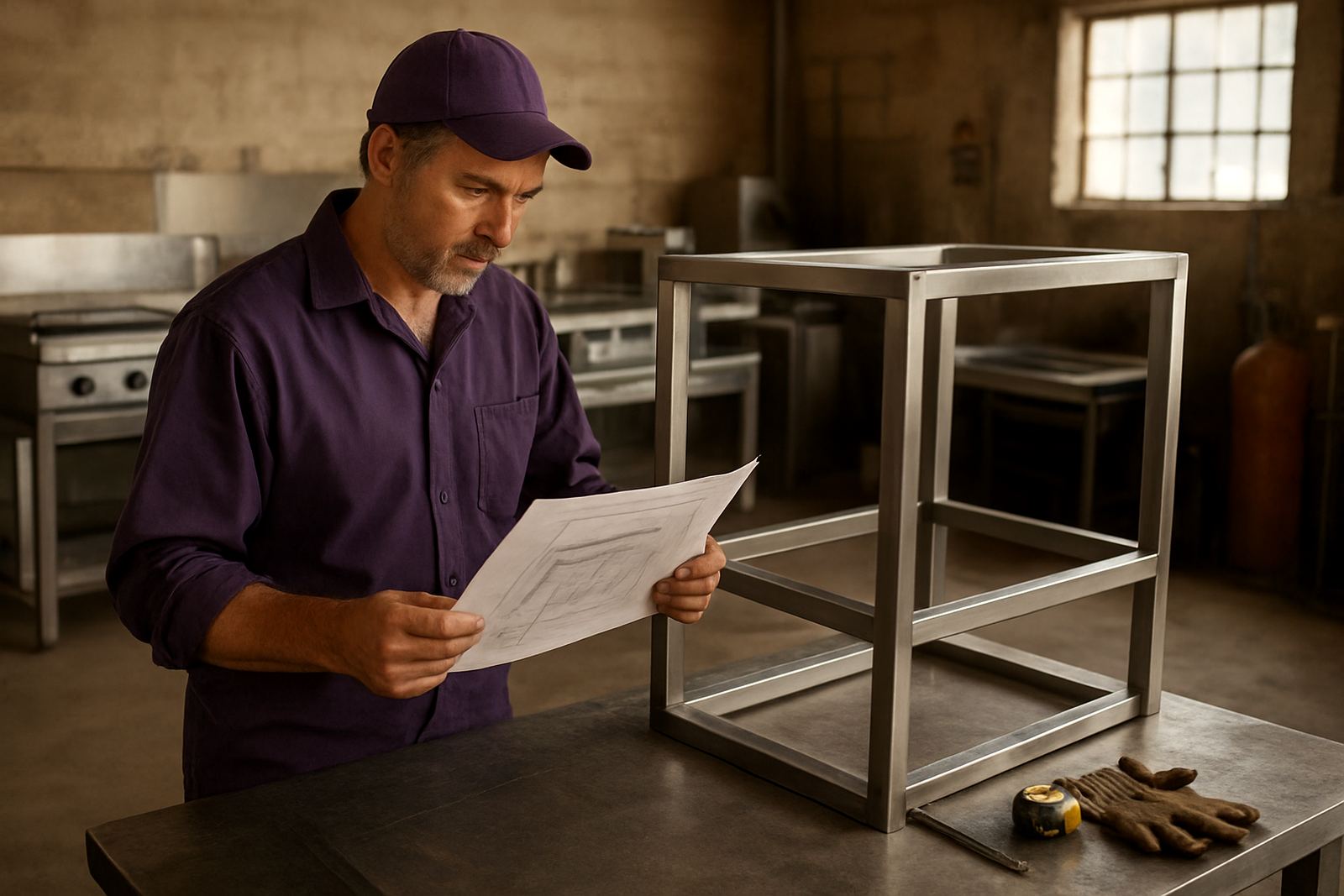
The best time to custom fabricate is usually before the layout problem becomes an everyday irritation. If you are unsure, measure the space and think through how staff move during the busiest hour. Also look at plumbing, power points, gas lines and ventilation. A small change in one area can affect the whole room.
At CaterKraft in Benoni, we often start with a site measure, then talk through the working pattern before building anything. That avoids guessing and gives you a clearer result. If you need custom prep tables, custom sinks, extractor canopies, shelving and racking or a modified servery line, the question is not whether stainless equipment looks neat. The real question is whether it helps the site work better every day.
- Will the unit fit the exact opening without wasted space?
- Can staff clean around and under it properly?
- Will it handle heat, moisture and daily load?
- Can it be installed without stopping trade for too long?