Why restocking order matters at the counter
When a cold display starts to look thin, sales slow down before the stock is actually finished. Customers read a half empty unit as a sign that the busiest items are gone, so they move past the counter or ask for something else. In a takeaway or deli, that means you lose speed, and in busy periods speed is money.
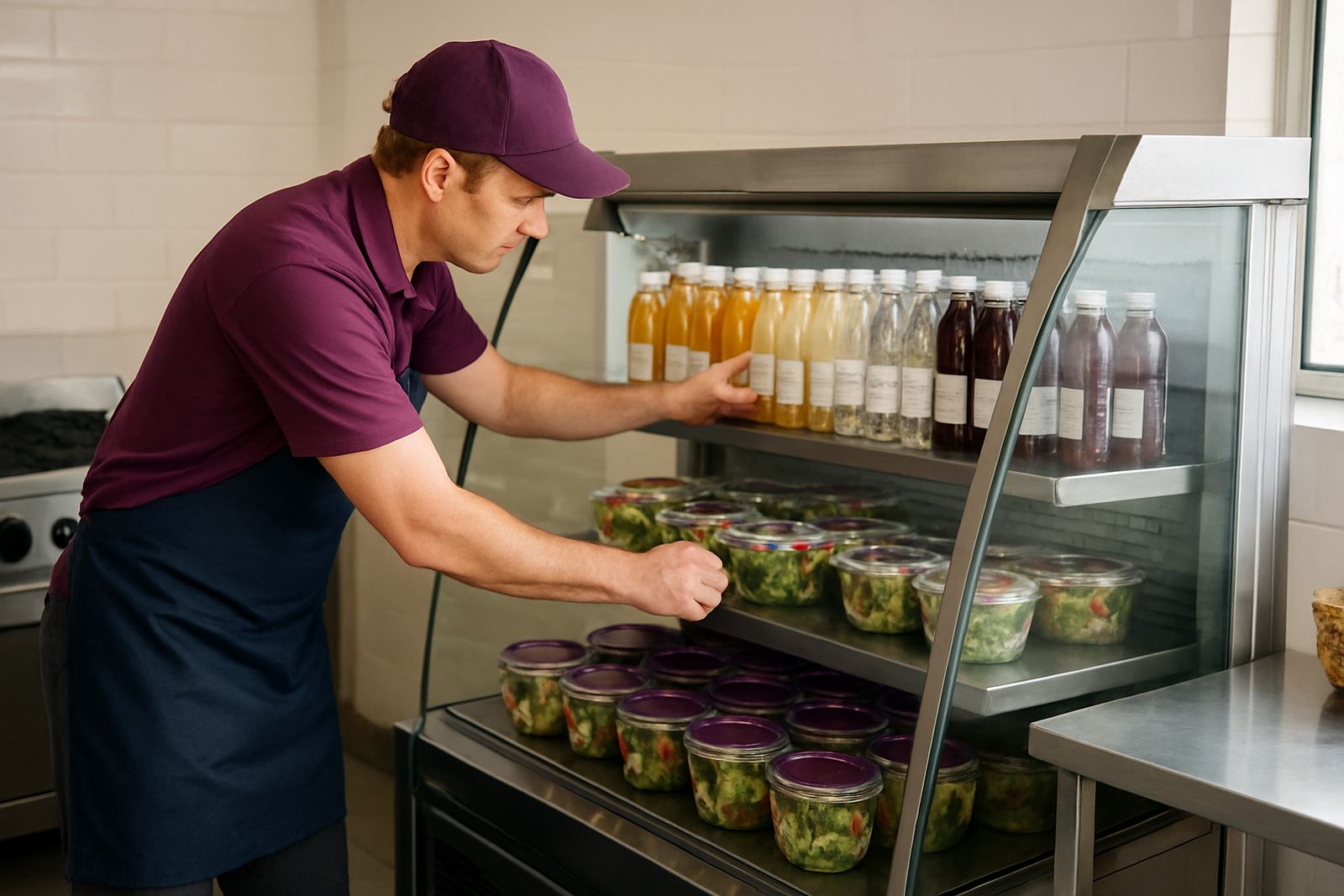
The aim is to restock in a way that keeps the front of the display looking full while the back remains easy for staff to reach. Good practice also keeps the cold chain intact. If the door is open too long, or trays sit out on the prep bench while someone looks for more product, the unit works harder and the temperature starts to climb.
For a Benoni bakery or a Brakpan lunch counter, the challenge is usually not supply, it is timing. You need a refill rhythm that fits the queue, the delivery truck, and load-shedding if you have backup power in place. That means planning the order of stock, the size of trays and where staff stand while loading.
Build a restocking routine around sale times
The best displays are topped up before they look empty, not after. A simple routine works better than a rush when the lunch crowd arrives. Start by watching which items move fastest between 11:00 and 14:00, then set a check point just before that period. A second check in the afternoon helps keep the display neat for the last trade hours.
- Check top sellers before the lunch rush, not during it.
- Refill from the back trays first so the display face stays tidy.
- Keep one spare tray chilled and ready for quick changeovers.
- Use smaller trays for slow movers so the food looks fresh longer.
- Mark a restock point for each unit, especially on busy Saturdays.
If your counter serves both walk-ins and phone orders, assign one person to restocking and one to service during peak times. Even a short delay at the unit can cause spillages, bad stacking and warmer food sitting near the front. In a small Germiston takeaway, that simple split often makes the difference between a tidy display and a messy one by noon.
Keep presentation neat without overfilling trays
It is tempting to pile cold items high so the unit looks full for longer, but overfilling causes problems. Food can sit above the tray line, lids may not close properly, and staff struggle to lift portions without touching surrounding items. The display then starts to look untidy very quickly.
A better method is to portion stock in smaller batches and replace trays more often. This keeps the product looking fresh and lets you rotate older stock to the front in a controlled way. It also helps with traceability if you are handling salads, sliced meats, dairy items or prepared desserts. You can track what went in first and what must come out next.
For a display unit in a coastal area, humidity can affect lids and packaging, so neat stacking matters even more. Keep labels facing forward, leave clean edges on the trays, and wipe drips before they dry. A clear display sells better than a crowded one with mixed containers and bent foil lids.
Use the right tray sizes and stock flow
Cold display restocking works best when the unit suits the product. A shallow tray is useful for fast-moving items, while a deeper tray can work for bulk stock that does not need constant handling. If the tray is too deep, staff reach over the front layer and knock food around. If it is too shallow, the display empties too fast and looks understocked.
- Use shallow trays for sliced items, salads and garnishes.
- Use deeper inserts for bulk portions that are replaced often.
- Keep heavy trays lower down for easier lifting and safer loading.
- Separate high-turn items from slow movers to reduce waste.
- Leave enough gap for tongs, scoops and quick cleaning.
At CaterKraft, we often see businesses in Boksburg and Springs improving their counter flow simply by changing tray depth and the order of loading. A sensible layout reduces the time the door stays open, and it makes the staff work more smoothly during rush periods. That is where a well planned display starts paying back every day.
Training staff to restock without interrupting service
Restocking should be part of daily service training, not an afterthought. Staff need to know which items must stay below a certain temperature, which trays can wait a few minutes, and how to refill without blocking the queue. The best teams move in a set pattern: one person loads, one person serves, and nobody stands at the counter wondering what comes next.
It helps to set a simple rule for where the backup stock lives. If it is in a fridge under the prep table, label the shelves clearly and keep similar products together. That way no one opens three doors looking for one tray. In a busy East Rand kitchen, those little delays add up fast.
Also teach staff to spot early signs of trouble. Frost build-up, water around the base, loose labels or warm air near the front opening all point to poor use or a unit that needs attention. The sooner you catch it, the less stock you lose and the easier it is to keep service steady.
A Benoni example from a busy weekday counter
A small deli near the Benoni Showroom area might start the day with full cold trays at 07:00, then face a lunch surge from office staff, school parents and passers-by. If the team waits until a tray is nearly empty before restocking, the display starts to look tired by 10:30. Customers then ask if certain items are still available, which slows the queue and creates more handling than needed.
A better routine is to top up just before the rush, keep a backup tray ready in cold storage, and rotate products in smaller loads through the morning. By early afternoon, the front stays neat and the staff are not scrambling to rebuild the unit during the busiest trade hours. That is practical, and it keeps the presentation consistent even when the power flicks off or the day runs longer than expected.
In our experience, the counter works hardest when it is asked to do too much at once. A clean restocking pattern gives the team breathing room and makes the display easier to manage.
What to fix when restocking is not keeping up
If stock keeps falling behind, the issue may not be the staff. It may be the equipment layout, the tray sizes, or the way the counter was modified. A display unit that is too deep, too narrow or awkwardly arranged will slow down every refill. The same applies to poor shelf spacing, weak access doors and counters that force staff to reach too far.
- Review tray depth and placement before changing your menu.
- Check whether staff can reach backup stock without crossing paths.
- Inspect door seals and cooling performance if food warms too quickly.
- Look at traffic flow around the counter during peak trade.
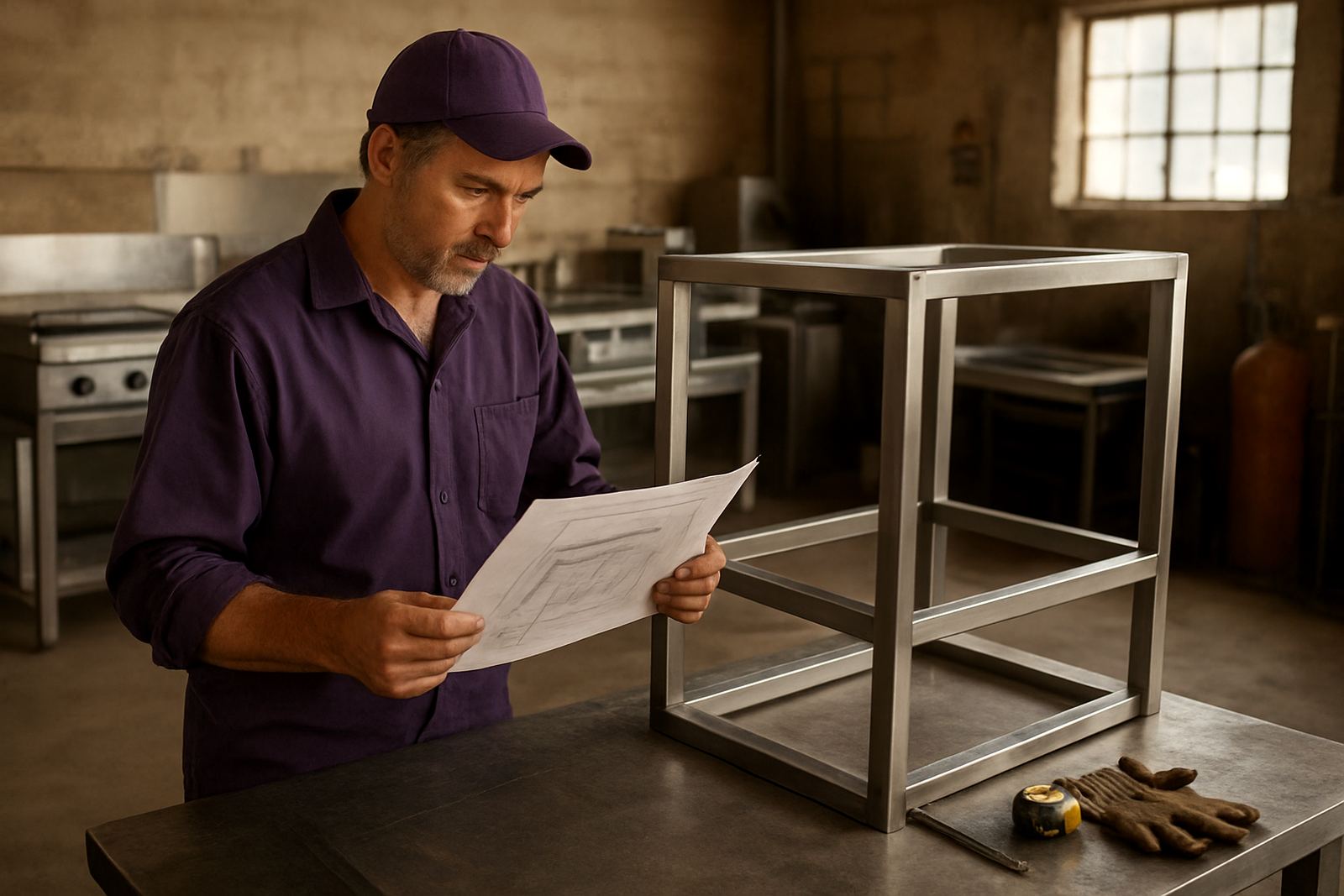
- Consider counter modifications if the current layout causes delays.
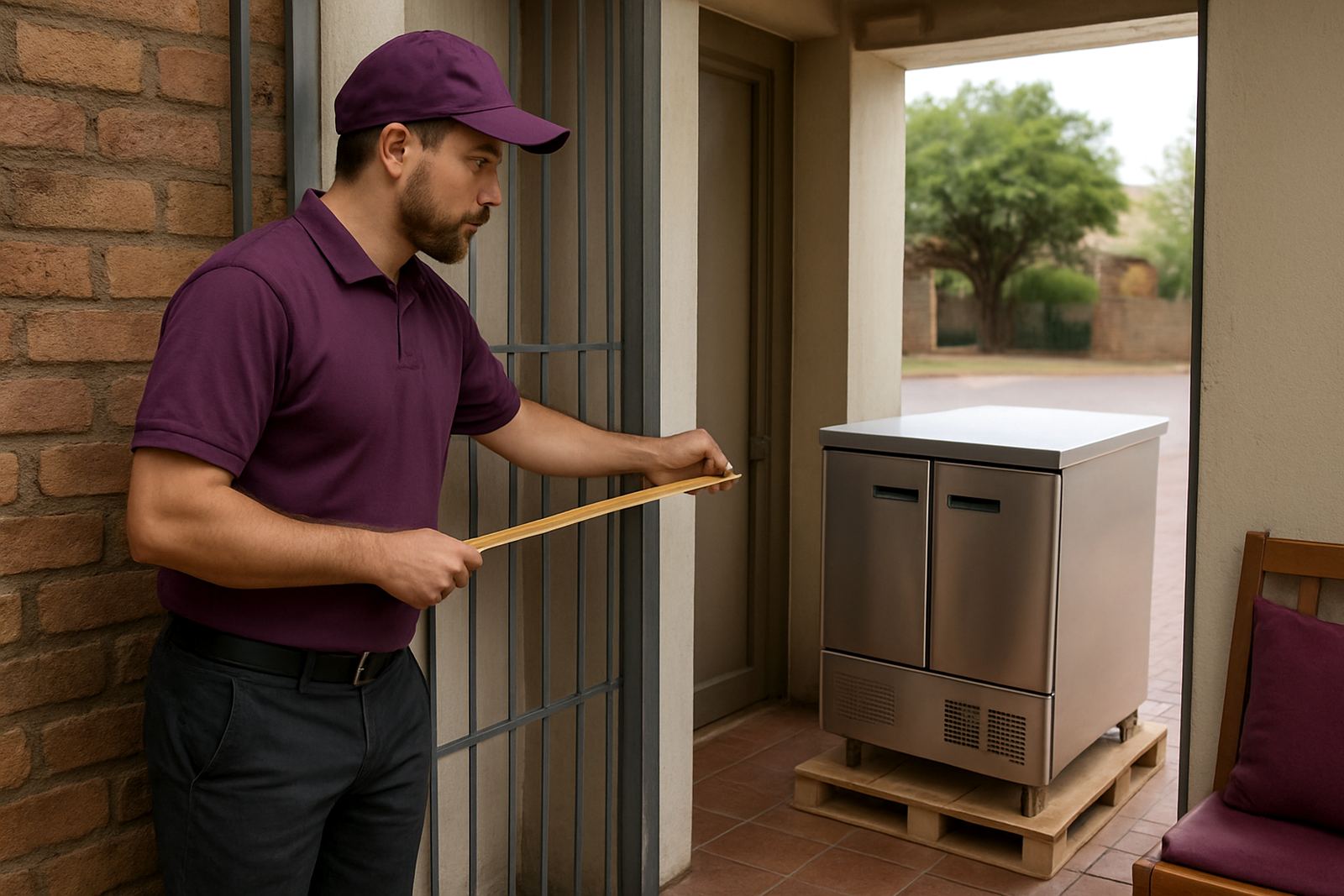
For takeaways and caterers in Kempton Park, Germiston and Brakpan, a good restocking plan often starts with site measuring and a proper look at how the counter is used. Once the layout matches the service pattern, the display stays neater, food is easier to access and the day runs with less pressure.