Start With The Width Of The Kitchen Run
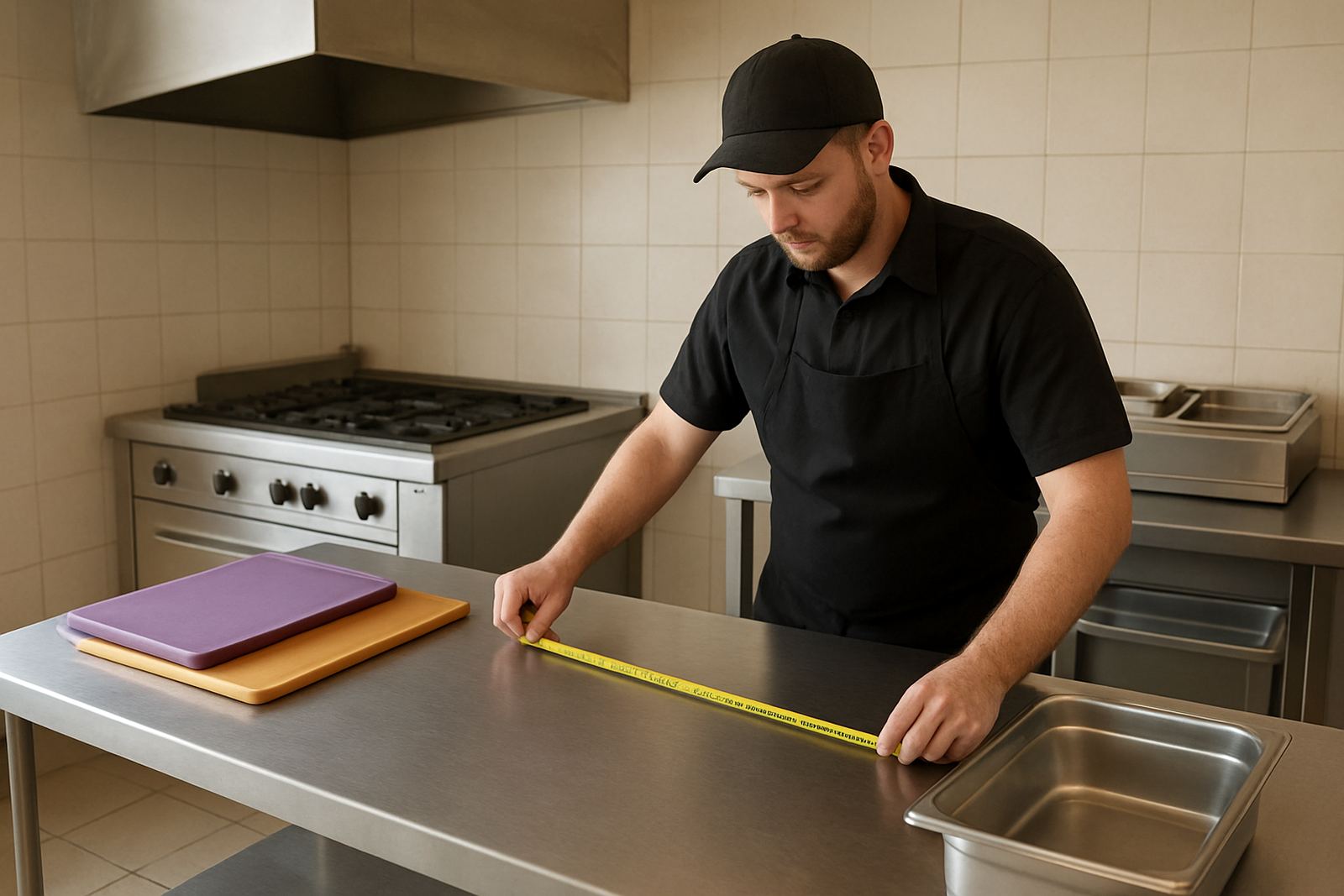
Before you look at table length, measure the full kitchen run from wall to wall and note where doors, fridges, sinks and gas points sit. A prep table should fit the room without forcing staff to turn sideways every time they pass each other, especially in takeaway kitchens where one person is portioning, another is packing, and a third is plating.
As a simple working guide, leave enough clear space for movement behind the table and in front of it. In many small kitchens, 900 mm to 1 200 mm of aisle space is the difference between a clean flow and a bottleneck. If the room is tight, a shorter table with a solid under shelf often works better than a long unit that steals walkway space.
Match The Table Top To The Work Being Done
The size of the top should follow the job. Pastry work needs a clean, uninterrupted surface. Bulk vegetable prep needs room for crates, cutting boards and waste bins. Packaging stations need enough space for trays, bags and labels without people stacking items on top of each other.
- Small prep runs: 1 200 mm to 1 500 mm length for packing and light prep.
- Medium kitchens: 1 800 mm to 2 400 mm length for chopping, tray assembly and portioning.
- Heavy service areas: 2 400 mm plus where more than one person must work at once.
If you are handling hot trays, the working area should allow the tray to land flat before it moves to the next point. That reduces spills and keeps the line moving during lunch rushes.
Allow Space For Trays, Pans And Ingredient Crates
Tray handling is where many kitchens get caught out. A table can look large enough on paper, then the first batch of pans arrives and suddenly there is no landing space. Measure the trays or pans you use every day, then add room for one or two staged items beside them.
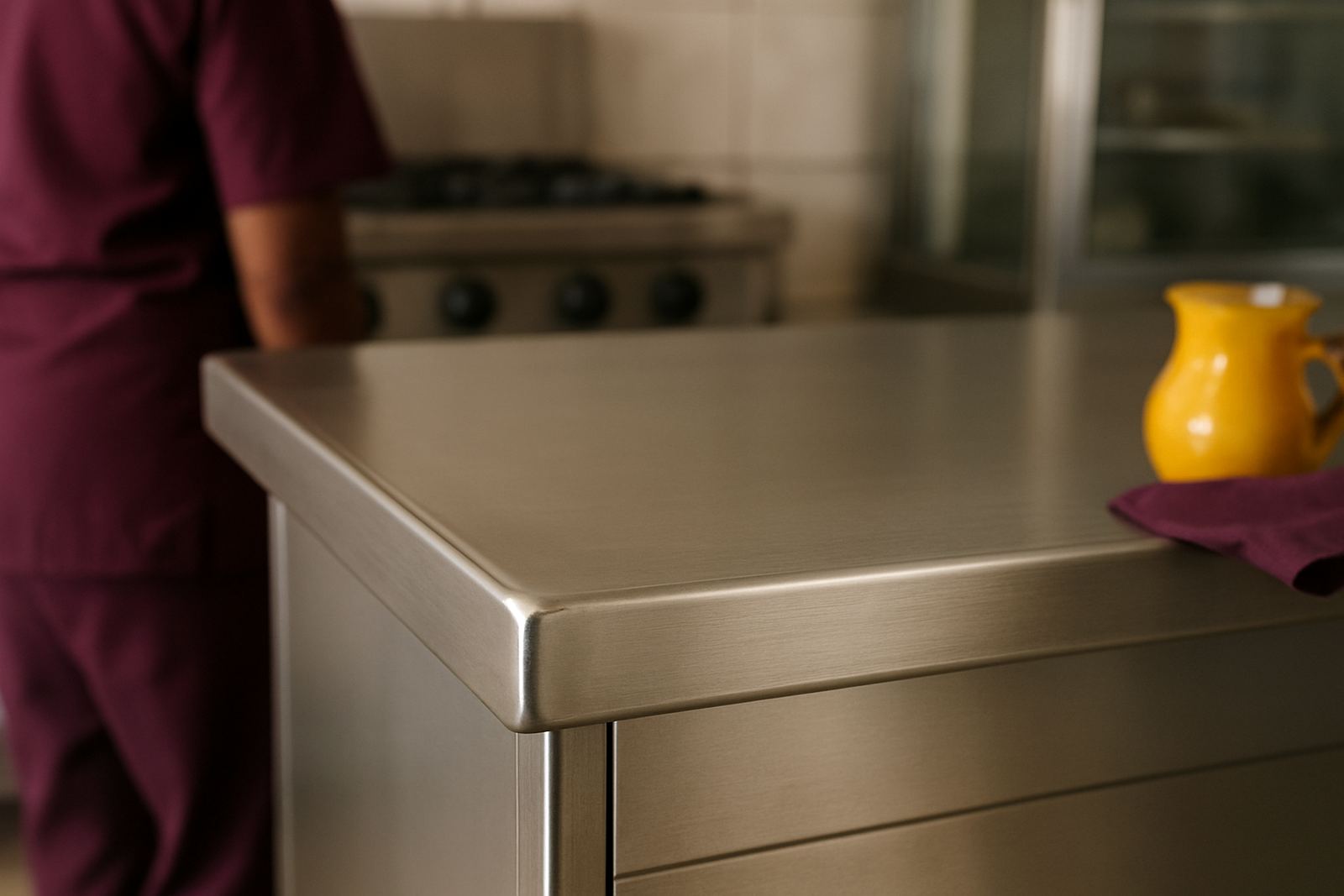
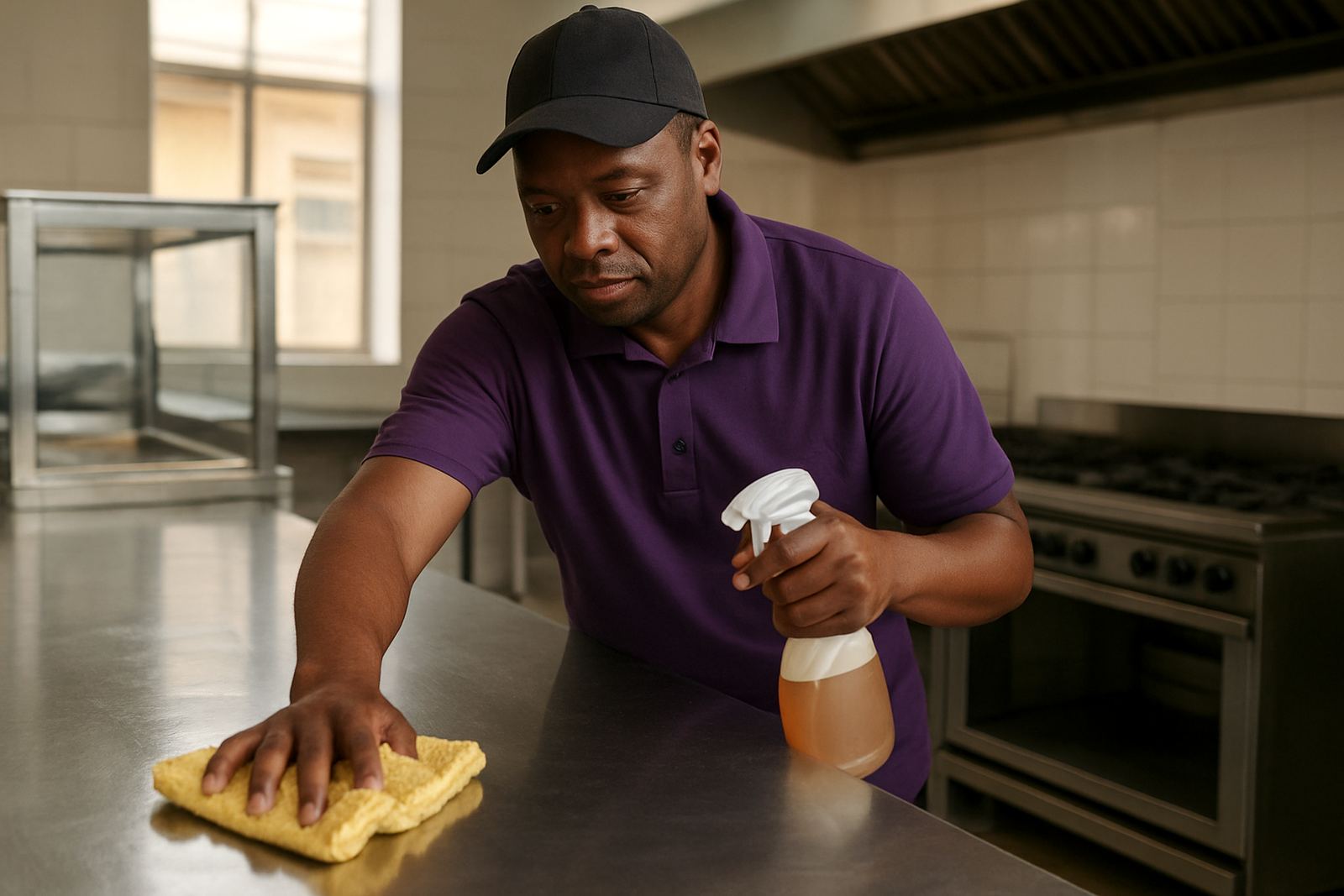
If your team uses full size pans, baking trays or takeaway trays, check the depth of the table as well as the length. A deeper table gives better separation between clean prep and ready items, which helps when the kitchen is busy and the staff need to work fast. In humid areas near Gauteng rain seasons or on the coast, stainless tops also clean down easier after repeated wiping and steam exposure.
- Leave a landing zone for one hot tray and one spare tray.
- Keep ingredient crates off the main cutting area.
- Make sure bins or undershelves do not block the knees of seated or bent working positions.
Use Staff Movement To Set The Final Length
The right table size is not only about surface area, it is about how many people must use the same station at once. Two staff members can work comfortably on a 1 800 mm table if duties are split clearly, but if the same station handles washing, chopping and packing, more length is needed.
Watch how your team works during a normal rush. If people keep crossing behind one another or reaching across wet areas, the table is too short or positioned badly. At CaterKraft, we often advise clients to meassure the busiest ten minutes of service, not the quiet afternoon, because that is when the real size requirement shows up.
Pick A Depth That Stops Overreach
Depth matters just as much as length. A narrow top can make staff lean too far forward, while an overly deep top can waste space and make the back edge hard to use. For most prep work, a practical depth gives enough room for boards, mixers or trays without forcing staff to stretch.
In kitchens with wall shelves, servery counters or extractor canopies, depth also needs to work with the fixed fittings above and around the table. If the top sits under a canopy, leave enough space so the crew can lift pans and move ingredients without knocking the front edge or the extraction line.
- Shallow depths suit tight packing points and narrow rooms.
- Standard depths suit general food prep and tray work.
- Deeper tops suit shared stations and bulk handling.
Benoni And East Rand Example From A Busy Takeaway
A takeaway in Benoni Central came to us with a narrow kitchen and a steady lunch trade from surrounding offices. The original prep surface was too short for the packing staff, and the tray stack kept landing on a fridge door. We measured the room, checked the path between the sink and gas range, then set the new prep table length to suit the actual movement in the space.
The result was not just a bigger table, but a better working line. Staff could prep, bag and pass food without doubling back, and the owner gained a cleaner counter for service. That is the point of choosing the right size in the first place. The table must fit the work, the room and the pace of the day.
Why Site Measuring Saves Money Later
A table that is made to fit properly avoids costly changes after delivery. If the unit is too long it may block a doorway, conflict with a cooler or sit awkwardly under a shelf. If it is too short, the business ends up adding mobile trolleys or a second table anyway. Proper site measuring also helps with custom sinks, counter modifications and stainless recladding when the full kitchen needs one coordinated layout.
For businesses in Boksburg, Brakpan, Springs, Kempton Park and Germiston, a measured approach matters because many kitchens sit in older buildings with uneven floors, tight corners and mixed utility points. The right prep table size starts with the room, not a standard figure pulled off a list.
- Measure wall to wall and note obstructions.
- Check tray sizes and daily service volume.
- Leave safe aisle space for staff movement.
- Match the table to the actual station role.
A Practical Rule Before You Order
If you are unsure, choose the size that protects movement first and adds storage second. A prep table that keeps the kitchen clear will always do better than a larger unit that causes traffic jams. Once the base size is right, you can add shelving, undershelves, mobile trolleys or display unit bases where they are needed most.
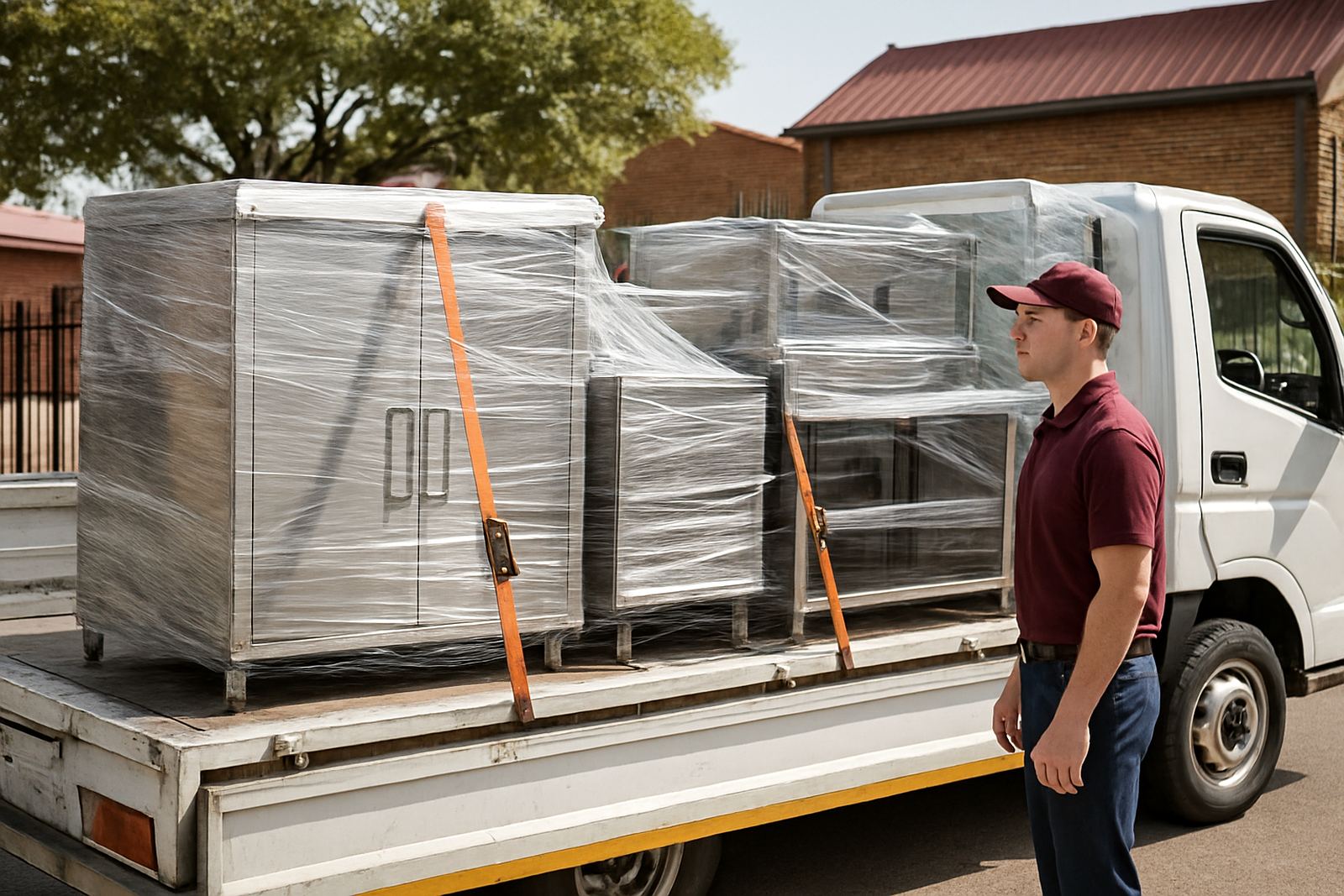
CaterKraft supplies prep tables and related stainless equipment from Benoni, with deliveries across South Africa. If you are planning a new kitchen or adjusting an old one, the best next step is to measure the room, note the work flow and then choose the table size around those facts, not guesswork.