Start With the Area That Hurts Trade Most
The quickest way to keep a business open is to identify which part of the kitchen or counter causes the most delay, mess or safety risk. In many Benoni takeaways, that is not the whole kitchen at once. It may be one prep line that keeps backing up, a tired servery that slows lunch service, or a sink area that no longer meets daily wash-up needs.
When we plan a phased refit, we look at the order of work rather than the full wish list first. That means one section can keep working while another is stripped out, measured and rebuilt. For a small operator, this can be the difference between trading through month-end and losing a full week of takings.
- Replace the most worn work area first
- Keep washing, prep and service separate where possible
- Move non-critical tasks to temporary stations
Measure Once, Fit in Sections
Site measuring matters because old kitchens are rarely square, especially in premises that have had more than one tenant. A gap of even 15 mm can stop a stainless top from fitting cleanly or leave an awkward join at a counter front. Good measuring also helps when you are planning around load-shedding, because you can decide which equipment must be back in place first and which units can wait.
For phasing, we usually separate the job into practical packs: prep tables, sinks, counter tops, canopies, shelving and any cladding or finish work. That makes it easier to schedule fabrication while the site stays live. It also lets the client sign off one stage before the next starts, which keeps decisions tidy and avoids rework later.
- Take fresh site measurements before fabrication
- Confirm power, gas and water points before ordering work
- Allow for wall unevenness and floor falls
Use Temporary Service Points to Keep Trading
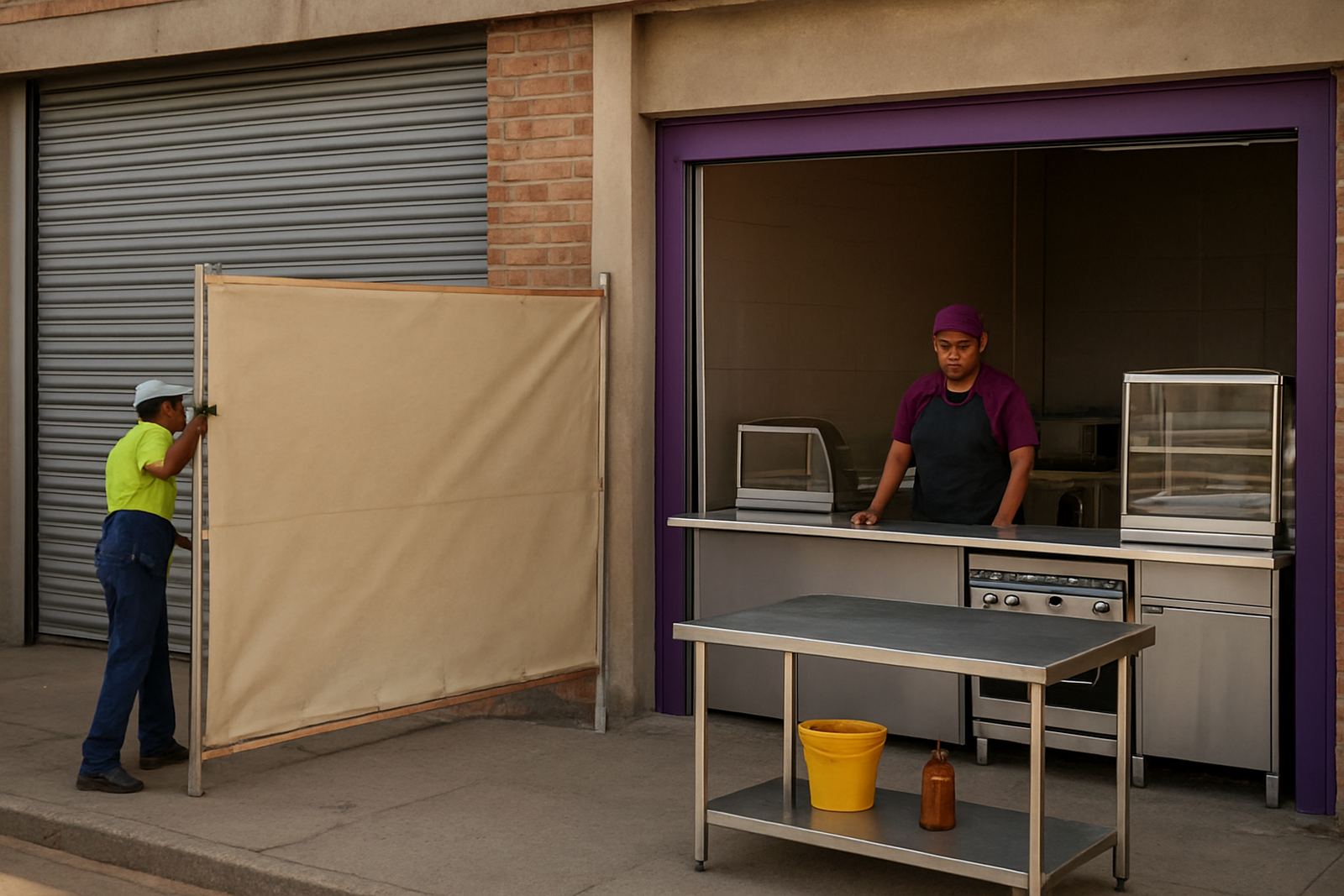
Temporary service points are often the safest way to stay open. A mobile trolley can hold plated items, till support, condiments or clean utensils while the main counter is being altered. In a takeaway or canteen, a simple display unit base can also keep stock visible without committing the whole frontage to a rebuild.
When the refit is staged properly, staff do not have to work around loose material, open pipe runs or half-installed steel. That reduces slips, stops dust from reaching food zones and keeps the Health department happier if there is a visit. In humid coastal conditions the same logic applies to corrosion-sensitive fittings, so the quicker the changeover the better.
- Set up a temporary service counter before demolition begins
- Keep clean and dirty traffic routes apart
- Plan delivery times outside peak trading hours
Match the Build to the Power and Gas Reality
Many refits fail because they are planned as if the premises run on perfect power every day. In practice, a kitchen in the East Rand has to handle load-shedding, surges and the odd fault that knocks out a section for a few hours. That means the refit should be built around the equipment that must still work when electricity is off, as well as the equipment that can wait for a stable supply.
Gas ranges, bain-maries and certain prep functions may be arranged so the business can continue serving its main menu even if one line is out for a day. Where extractor canopies are part of the upgrade, it is worth sequencing them so fitment does not block access to cooking zones for longer than needed. This is where a careful phasing plan saves both time and frustration.
What a Benoni Coffee Shop Refit Can Look Like
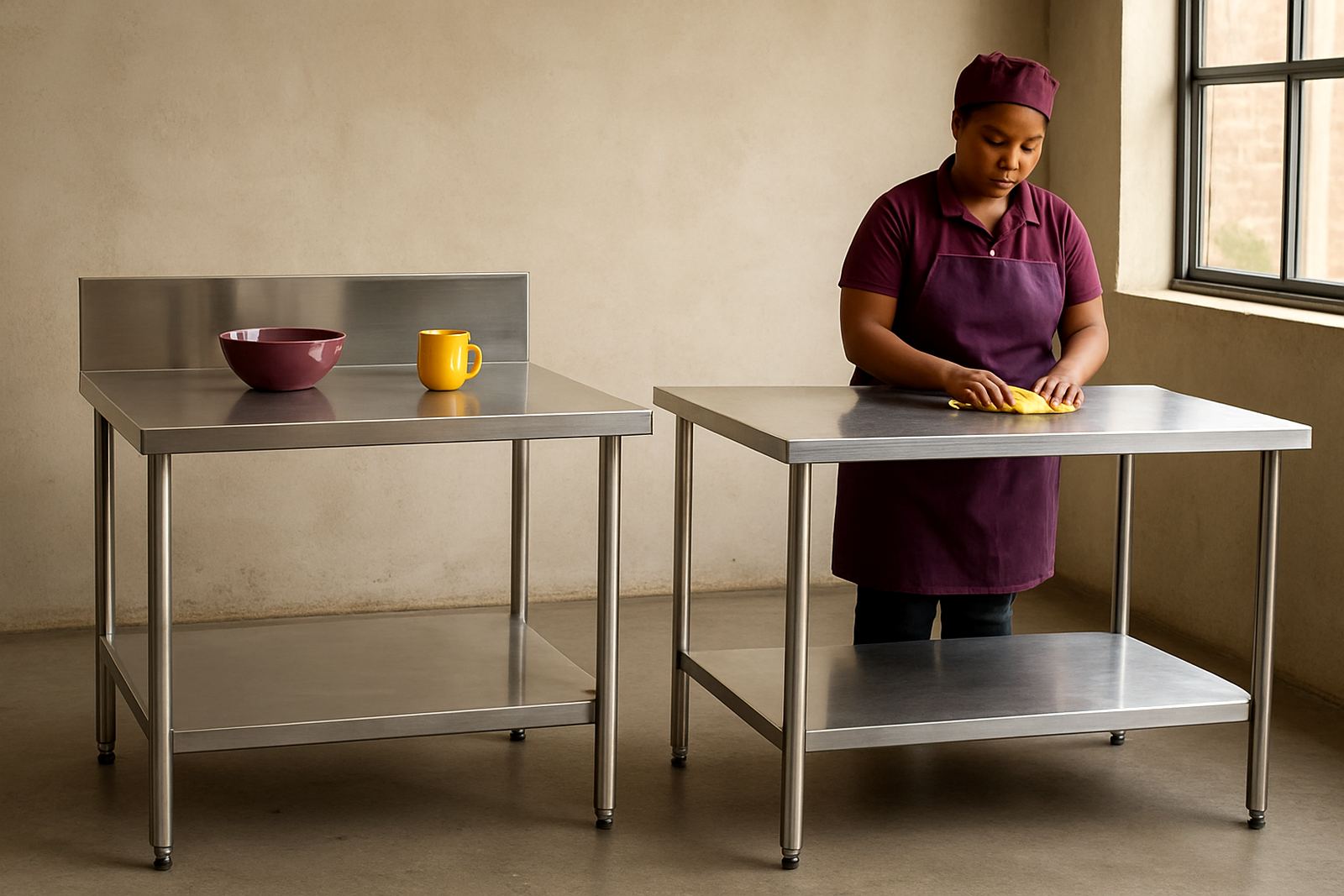
Take a small coffee shop near Benoni CBD that wants a cleaner servery and better prep flow without closing for long. Day one can be a site measure and an after-hours strip-out of the front counter only. Day two might be fabrication of a new servery counter section, while the back prep area remains operational. On day three, a stainless prep table and custom sink are fitted at the rear, and the old counter face is removed before the lunch rush.
The owner keeps selling drinks and light meals from a reduced front point while the main works happen behind the scenes. Because the work is split into parts, the shop closes only for short windows, not for a full shutdown. It is not fancy, just practical and that is usually what keeps rent and wages under control.
- Work front of house and back of house on different days
- Use early morning or late evening installation windows
- Keep one serving point open until the final handover
Choose Finishes That Stand Up to Daily Use
A refit that aims to avoid downtime still has to last. Stainless steel remains a strong option for prep tables, sinks, counter cladding and display unit bases because it copes well with cleaning, heat and busy hands. Shelving and racking should be set at workable heights, not just what looks neat on paper. If staff need to reach, bend or squeeze past each other, the refit is not finished properly.
There is also a maintenance side to the decision. A cleaner surface, fewer joins and better access around equipment make daily wash-down faster. Over time, that saves hours every week and reduces the chance of a rushed repair when something loosens or warps. Small changes done well usually beat one big shutdown done badly.