Start With The Site, Not The Truck
National delivery goes smoother when the first question is not what fits in the vehicle, but what fits in the kitchen. A prep table, gas range or bain-marie may look simple on paper, yet door widths, stair turns, loading bay height and narrow passages can change the whole plan. In Benoni, we often ask for a photo of the entrance, the final standing area and any access point that may need a trolley or two people to handle the move.
That check matters even more for takeaway shops in busy centres, back-of-house kitchens in older buildings, and sites with uneven paving. If the unit must pass through a municipal roller shutter or a shared passage, measure the clear opening. A few centimetres can decide whether delivery is straightforward or delayed till a section is removed and refitted.
Measure Twice Before Anything Leaves The Workshop
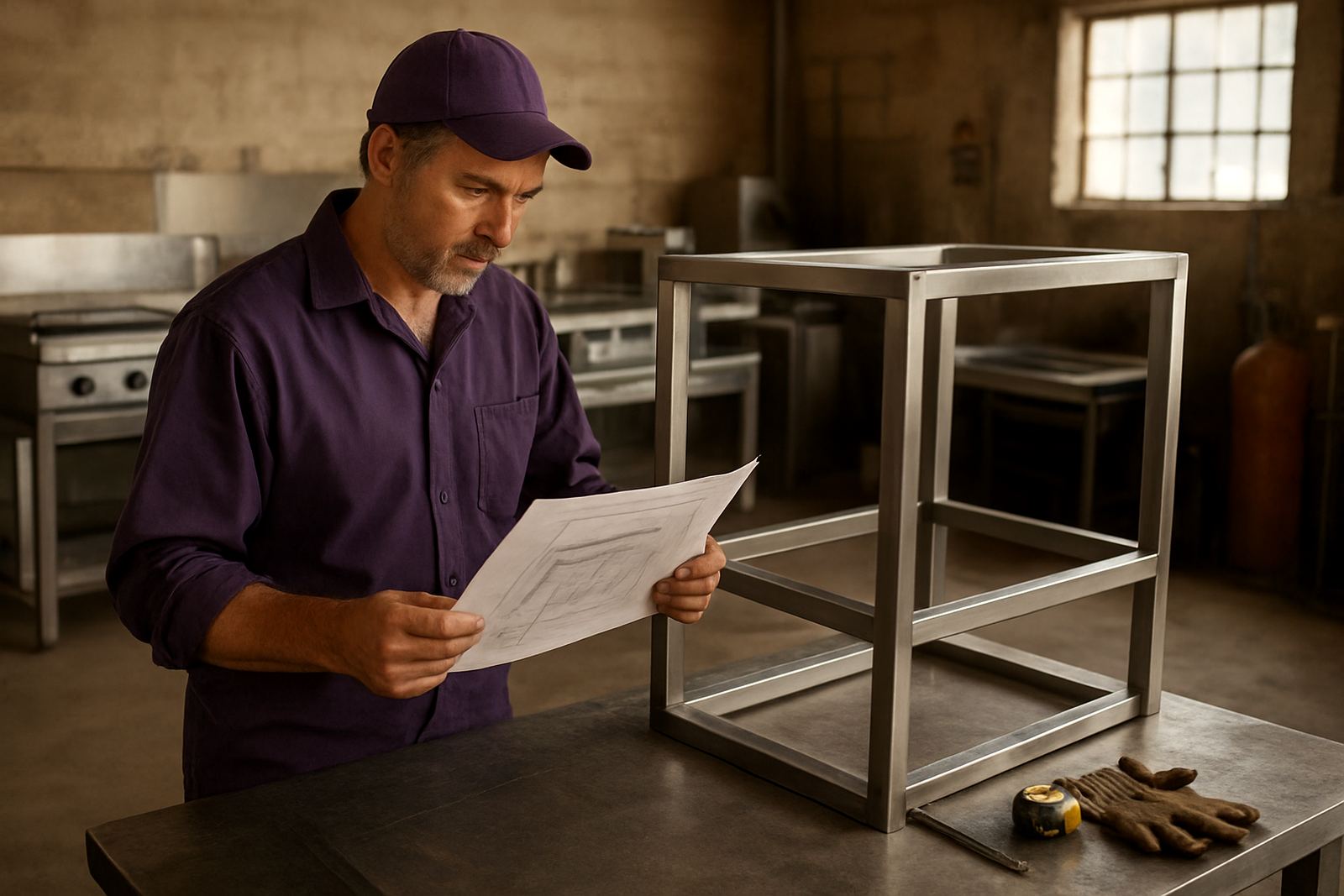
Accurate site measuring is one of the best ways to avoid problems on arrival. The receiving team should confirm the usable wall length, ceiling height for canopies, and the exact position of power, water and gas points. If a counter needs a cut-out for a sink or a modified top for a servery opening, those details must be final before fabrication. Small changes after production often mean extra time and extra Rand.
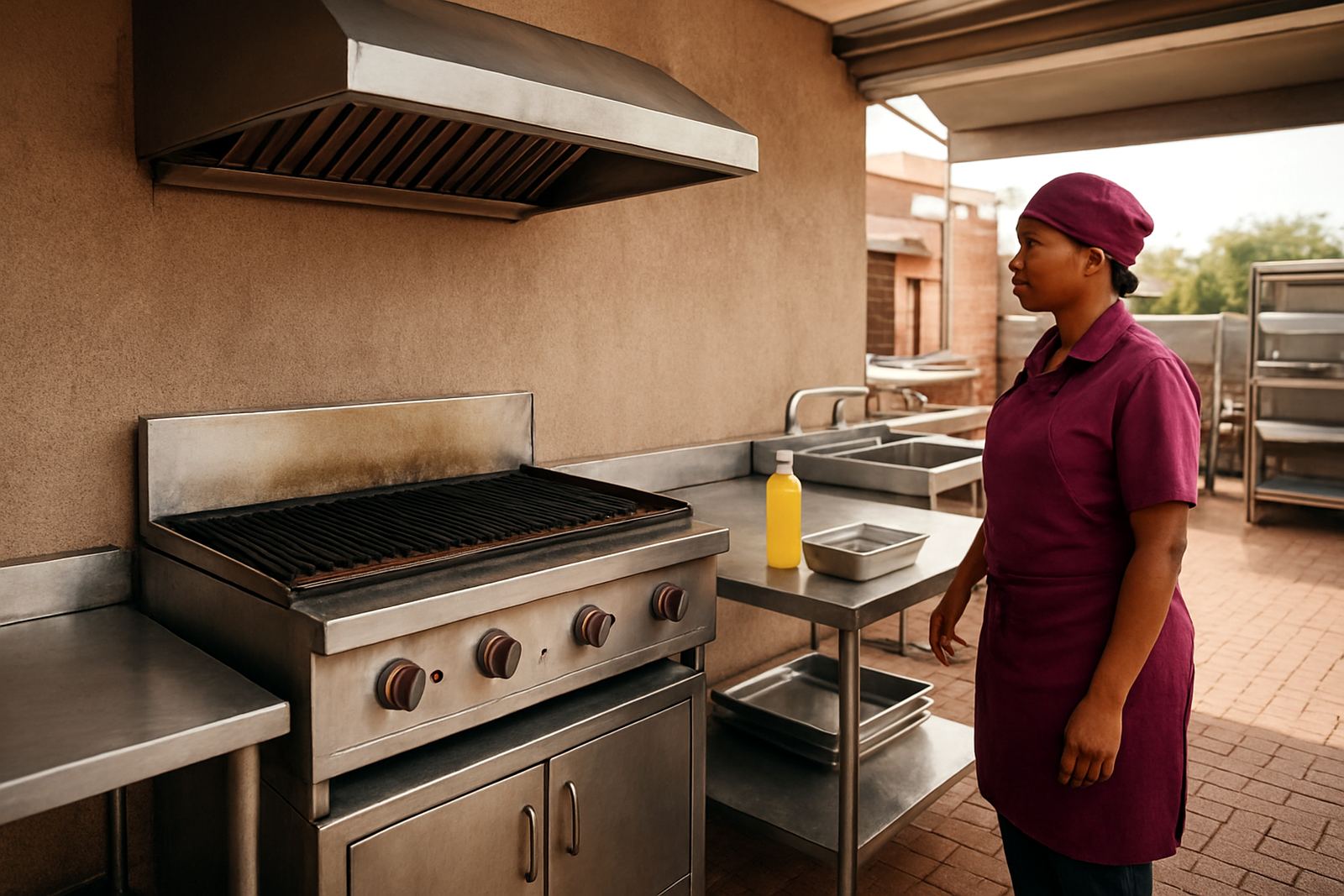
For kitchens in the East Rand, we also consider the daily realities of load-shedding and hot weather. A unit may need space for a backup inverter point, additional ventilation, or a layout that keeps the cooking line away from direct sun. That is not only about comfort, it also helps staff keep service moving when the power flicks off. Good measurements prevent a lot of rework, and save the client a headache later on.
- Confirm all doorway and passage widths in millimetres.
- Mark gas, water and electrical points on a simple floor plan.
- Allow space for cleaning access around the unit.
- Check if the floor can take the weight of the equipment.
Build For Transport, Not Just For The Kitchen
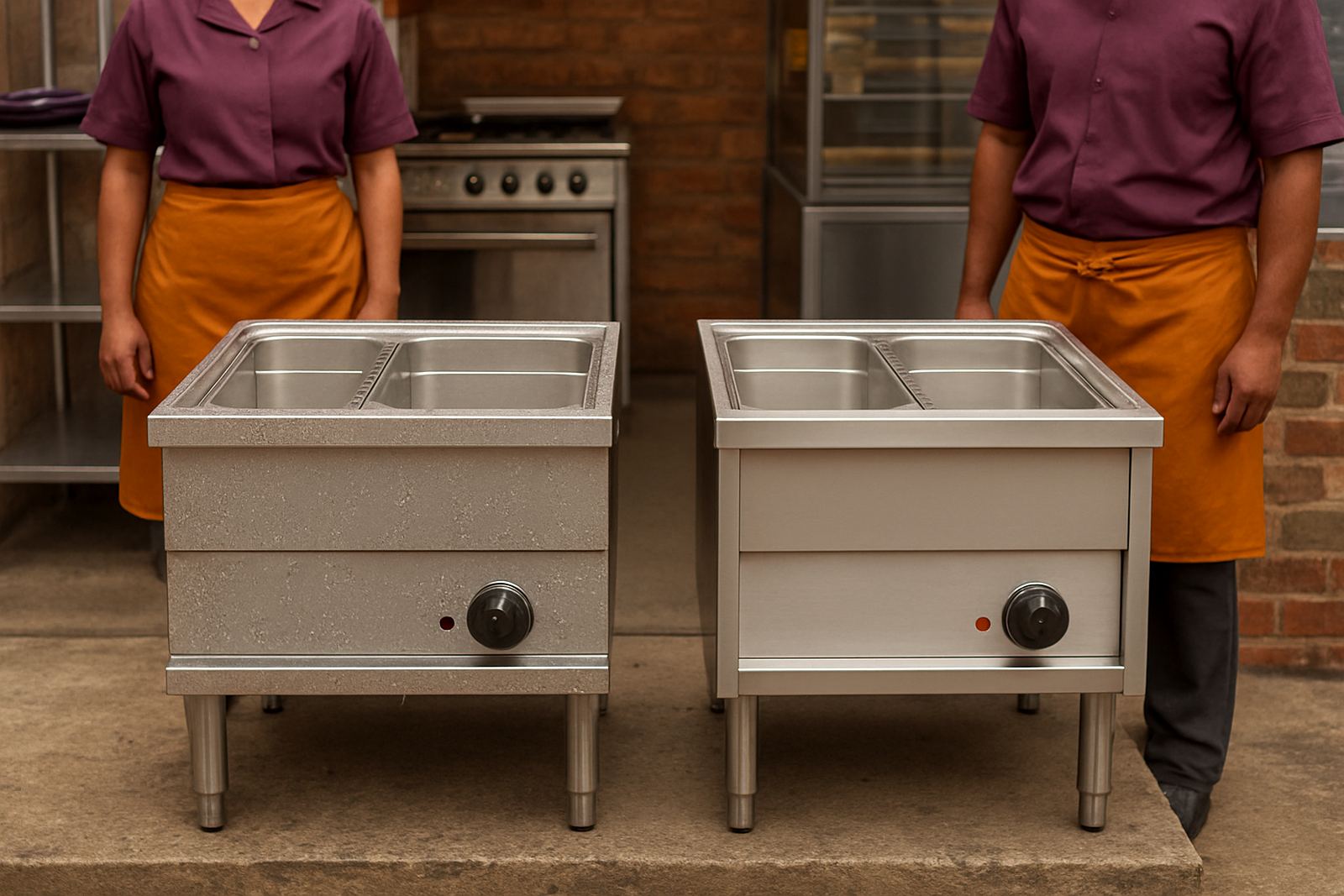
Equipment that travels well is built with transport in mind from the start. Stainless prep tables need solid bracing so they do not twist on a long trip. Display unit bases need feet or runners that can handle loading docks and uneven yards. Gas ranges and bain-maries should be secured so doors, burners and control panels stay protected. A unit that is strong in the workshop but loose on the road can arrive with dents, shifted joints or damaged fittings.
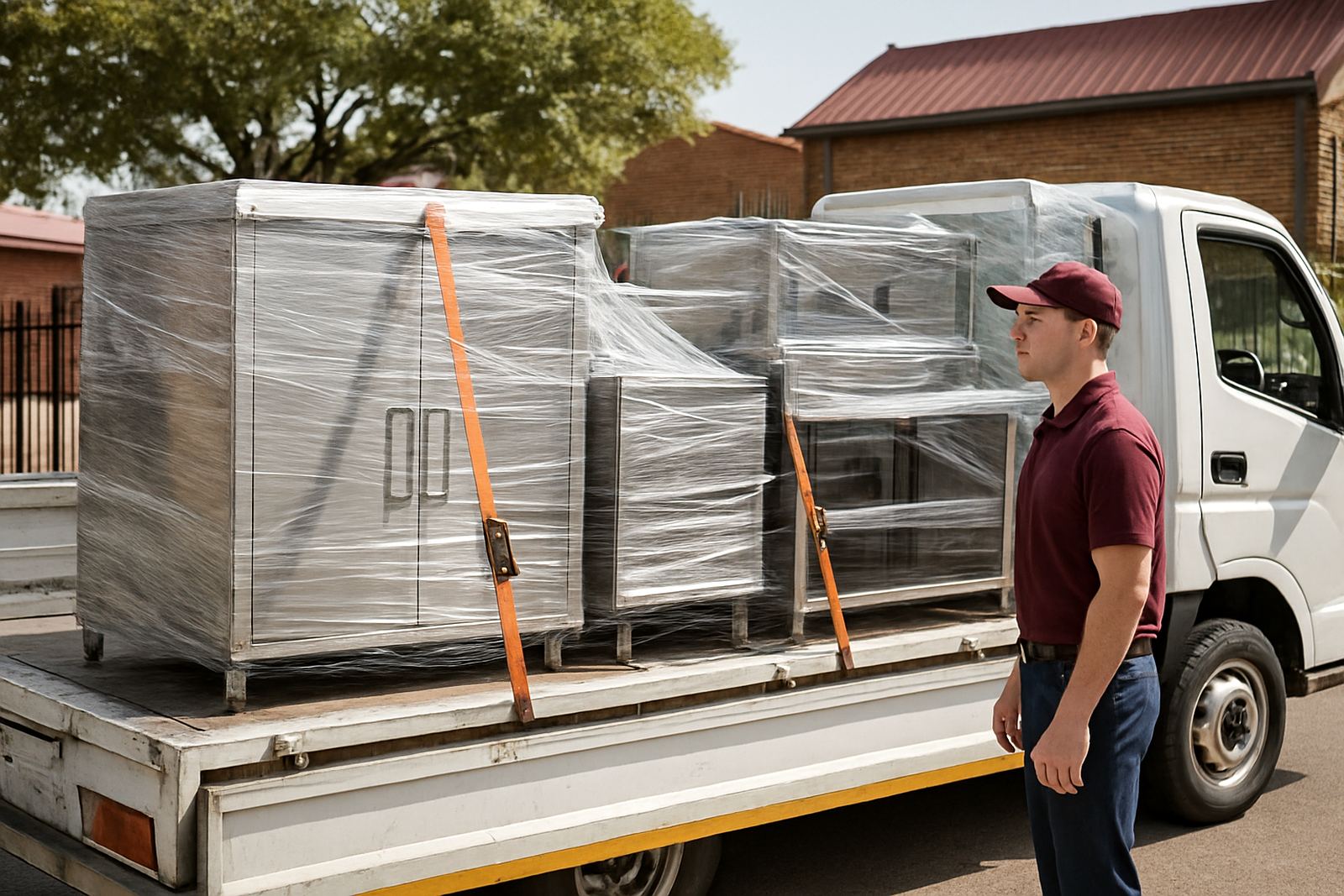
Packaging must suit the item, not just the courier route. Corner protection, wrapped edges and separated loose parts reduce scuffing. For coastal deliveries, the aim is also to keep out moisture during transit. Rust can start early on exposed steel if a unit sits overnight in humid air with poor cover. That is why we prefer a proper wrap and dry loading area, even when the truck is leaving at first light.
- Remove loose shelves, knobs and trays where possible.
- Protect corners and exposed edges before loading.
- Keep stainless surfaces dry and covered.
- Label parts that must go back in the same order on site.
Plan The Route Around Real South African Conditions
National transport is rarely just a straight line on a map. The route must take into account roadworks, low bridges, weigh limits and delivery windows at the receiving site. A restaurant in a mall may only allow offloading before trading starts, while a school or hospital kitchen might need a signed-in slot with security. If the truck arrives early and has to wait in the sun, that can be as risky as a late delivery.
We also factor in town-by-town differences. A delivery from Benoni to Boksburg is one thing. A trip to a coastal client may involve damp roads, salt air and a longer handover period. Inland, a long hot day can affect adhesives, seals and packaging if items are left in direct sun. Route planning should feel boring if it is done properly, because boring is what keeps the equipment safe.
Use A Clear Handover Checklist On Arrival
Long-distance delivery does not end when the vehicle reaches the site. The handover should be checked against the order, and the client should inspect the item before signing. This is the right time to confirm legs, shelves, doors, burners, trays and any special modification. If the unit was made for a specific counter line or wall position, it should be placed and checked before the packaging is removed completely.
A simple checklist avoids arguments later. It also helps the service team if a follow-up adjustment is needed. At CaterKraft, we find that the clients who keep a basic receiving note have fewer delays when several items arrive on the same day and the kitchen team is busy. The aim is not paperwork for the sake of it, it is proof that the right item arrived in the right condition.
- Check the item against the delivery note.
- Inspect for dents, scratches or movement in transit.
- Confirm all fittings and accessories are present.
- Take note of any installation issue straight away.
Fit Installation Timing Around Trading Pressure
Some clients want delivery on a Monday and installation by Tuesday because trade cannot stop for long. That can work, but only if the site is prepared. Electrical connections should be ready, the floor must be clear, and the staff should know where each unit is going. If a counter needs final positioning near a servery or under an extractor canopy, the team on site must have enough space to move without blocking other work.
In our experience, the best deliveries happen when the client and supplier agree on a small window, not a whole day. That keeps cleaners, fitters and managers in step. It also matters for counter modifications and stainless recladding, since those jobs often involve a bit of site dust, offcuts and movement before everything is fixed in place. A tidy site makes the final fit neater and faster, no matter the town.
A Benoni Example That Shows The Difference
One East Rand takeaway needed a prep table, a bain-marie base and a small display unit delivered to a tight front-of-house area near Boksburg. The first walk-through showed a narrow side entrance and a step at the back door, plus a gas point that had been moved after the original layout was drawn. The delivery plan changed before loading, and each unit was labelled for its exact position. The handover was done before lunchtime service, and the client could start setting up the line the same day.
What made the difference was not luck. It was site measuring, clean packing, route planning and a proper receiving check. That kind of preparation is useful whether the delivery goes to Springs, Germiston, Kempton Park or beyond. When the details are handled early, long-distance delivery becomes just another part of the job, not a crisis.