Start With A Daily Wipe-Down Routine
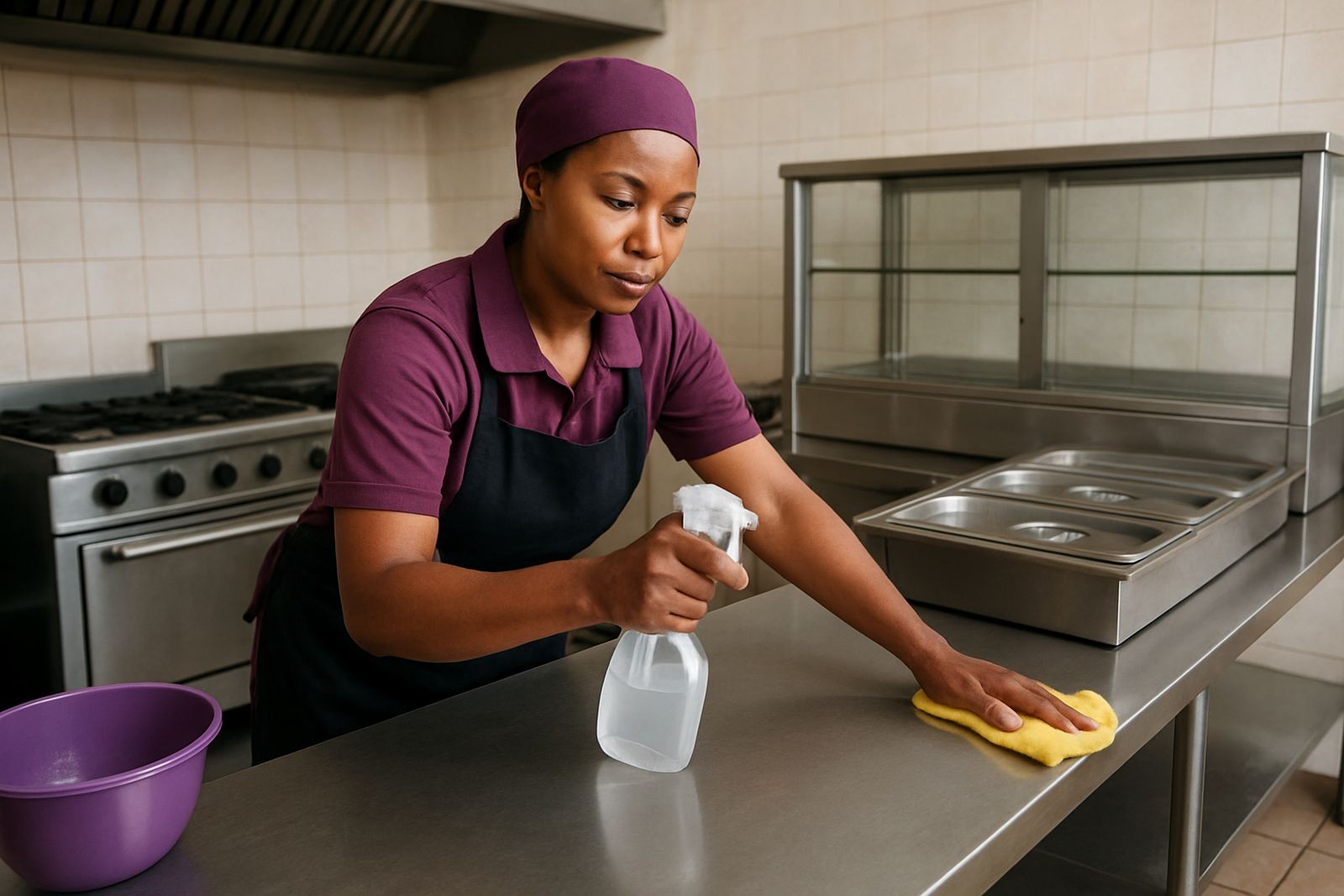
For busy kitchens in Benoni, Boksburg and the rest of the East Rand, daily wiping makes a big differnce. Wait until surfaces are cool, then remove loose crumbs, grease and spills before they dry on. Use warm water with a mild food-safe detergent, a soft cloth or non-scratch pad, and dry the surface straight after cleaning. This helps prevent water marks, especially in humid weather or near coastal deliveries that come inland after a long trip.
Stainless prep tables, sink tops and servery counters should be cleaned from top to bottom so dirty water does not run onto already cleaned areas. Pay extra attention to joins, corners and undershelves where flour, oil and sauce build up. If a unit is used for both raw and cooked food, clean and sanitise between tasks.
- Remove loose food debris first
- Wash with mild detergent and warm water
- Rinse with clean water if needed
- Dry with a soft cloth to avoid streaks
How To Care For Stainless Steel Surfaces
Stainless steel lasts well, but it still needs the right treatment. Do not use steel wool, harsh scouring powders or strong chlorine cleaners on a regular basis. These can scratch the finish and leave marks that trap dirt later. For general cleaning, wipe in the direction of the grain so the surface keeps its neat appearance and is easier to maintain.
If you see fingerprints or light smudges on display units, a damp microfibre cloth is often enough. For stubborn grease, use a diluted degreasing solution approved for food areas, then rinse and dry. In areas like Germiston and Kempton Park where kitchens can run long trading hours, a quick polish at the end of the day helps the equipment look presentable for the next shift.
- Use soft cloths, not abrasive pads
- Wipe with the grain of the stainless
- Rinse off cleaning residue
- Finish by drying fully
Gas Ranges, Burners And Heat Areas
Gas ranges and other heated equipment need careful cleaning once they are switched off and fully cool. Lift off removable parts where safe, such as grids and trays, and wash them separately. Wipe around burners, control knobs and splash areas with a damp cloth, then dry thoroughly so moisture does not sit near fittings. Never flood the area with water.
Check for grease around the base and behind the unit, because hidden build-up can become a fire risk. If your kitchen works through load-shedding with backup cylinders or alternate power planning, make sure cleaning does not disturb valves, hoses or ignition points. Any damaged hose, loose fitting or strong gas smell should be reported and dealt with before the unit is used again.
- Switch off and cool the unit before cleaning
- Remove and wash loose parts carefully
- Keep water away from burners and ignition points
- Inspect hoses and fittings while cleaning
Keeping Bain-Maries And Display Units Hygienic
Bain-maries and display units need regular attention because they are used to hold food for customers to see and serve. Empty the unit after service, remove trays and wash them in hot soapy water, then rinse and sanitise as required by your kitchen procedure. Wipe the interior, lid edges and control area, then dry everything before reloading. Moisture left behind can lead to odours and spoilage.
For glass and viewing panels, use a clean cloth and a non-ammonia glass cleaner where suitable. Avoid spraying directly onto switches or heating elements. If your display unit is used in a takeaway or cafeteria, make sure serving spoons, tray rails and sneeze guards are cleaned more than once during a busy day. It keeps the unit tidy and helps staff work faster.
- Empty and clean food trays after each service
- Sanitise food contact areas as part of closing
- Keep switches and electrics dry
- Clean glass panels without spraying into openings
Schedules For Prep Tables, Sinks And Trolleys
A simple schedule helps equipment last longer and keeps cleaning from becoming a rush job. Daily cleaning is usually enough for prep tables and mobile trolleys, but weekly checks should include undersides, wheels, shelf brackets and any welds or corners where grime collects. Sinks should be scrubbed regularly to stop staining from tea, coffee, sauce and cleaning chemicals.
In busy kitchens around Springs and Brakpan, it helps to assign cleaning tasks by zone. One person can handle prep surfaces while another does sinks, racks and trolley wheels. That keeps the work even and avoids missed spots. If your equipment includes custom modifications or stainless recladding, follow the same care routine but inspect the join lines a little more often.
- Daily: wipe food contact surfaces
- Weekly: clean wheels, undershelves and corners
- Monthly: check fixings, welds and seals
- After spills: clean at once to stop staining
When To Call For Repair Or Refurbishment
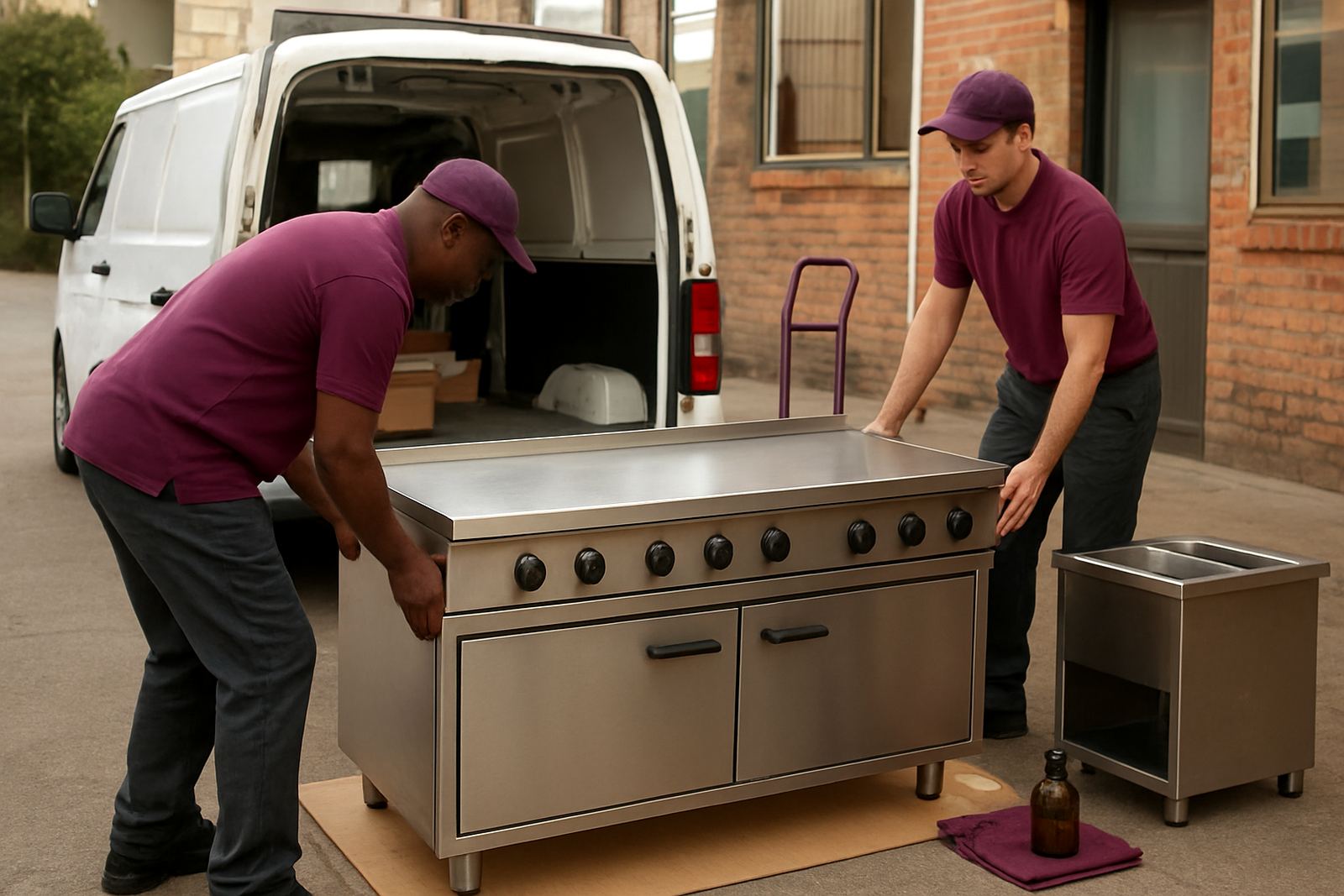
Some wear is normal, but dents, loose doors, rust spots or leaking sink joints should not be left too long. Small problems become bigger ones when equipment is washed daily and exposed to steam, salt air, heavy use or constant movement. If a table top has warped, a counter edge has lifted, or a trolley wheel keeps seizing, it is better to have it checked early.
For businesses in Benoni, Boksburg and nearby areas, site measuring and on-site assessment can help identify whether a repair, modification or replacement part will solve the issue. The aim is to keep the equipment safe, hygienic and easy to clean, not just to make it look better for a day or two.
Good care is not complicated. Keep the routine steady, use the right cleaners and watch for early wear before it turns into downtime.