Start with the storage volume you actually need
The first number to check is the internal storage volume, usually given in litres. For a small takeaway in Benoni or Boksburg, a single upright unit may suit 4 to 8 crates of produce, dairy, sauces and drinks. A busier kitchen in Germiston or Kempton Park often needs more headroom so stock is not forced into the door area where temperatures rise each time it opens.
Do not size by floor space alone. Measure what must fit inside on a normal trading day, then add room for peak periods, deliveries and catering jobs. If your menu uses deep GN pans, boxed ingredients or tall milk bottles, the usable height matters as much as total litres. A chiller can look large on the outside and still be tight inside once shelves and guide rails are fitted.
- Count daily stock by category, not by guesswork.
- Allow extra room for peak weekends and month end trade.
- Check internal height for tall containers and stock crates.
Match shelf layouts to your stock flow
Shelves should suit how you load and rotate stock. Fixed shelves are fine for simple storage, but adjustable shelving is better where product sizes change through the week. In a prep area, you may need one level for meat packs, another for veg tubs and a lower shelf for heavier items. That keeps stock visible and cuts the time staff spend opening the door.
Look at shelf spacing before you buy. Too few shelves waste vertical space, while too many can block tall items. If you store boxed cakes, trays or bottled drinks, you may need fewer wide gaps rather than many small ones. On some sites around Springs and Brakpan, service teams also ask for stronger shelf rails because the unit gets opened and closed all day, so the load path must be clear.
- Use adjustable shelves where stock changes often.
- Keep heavier items lower for safer handling.
- Leave space for air circulation around product.
Check door swing and aisle clearance before installation
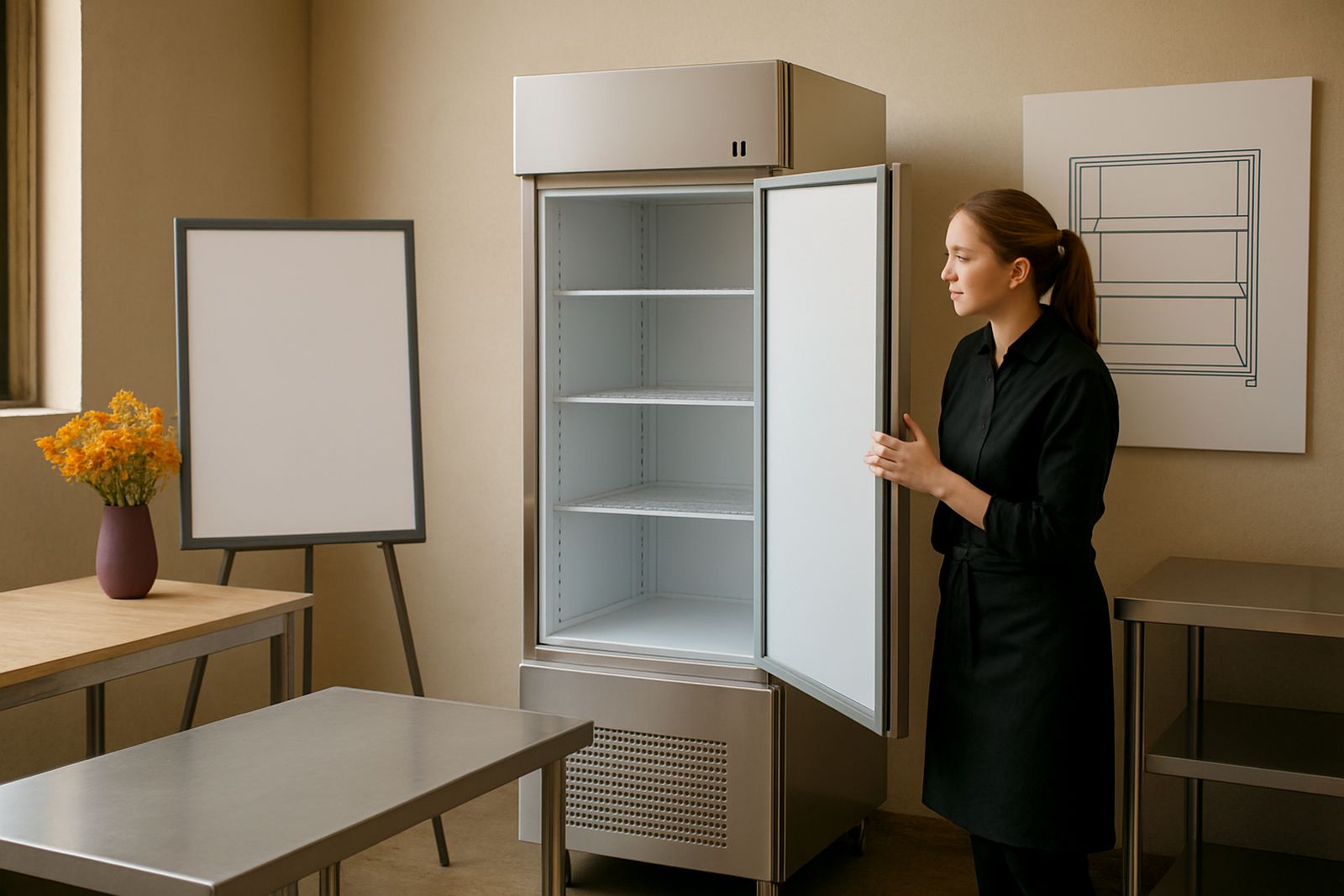
Door swing is one of the most overlooked upright chiller specs. A full opening door needs enough clearance for staff to load trays, clean seals and reach the back shelf. If the unit sits near a wall, corner or counter, the handle side must open properly without hitting adjacent equipment. In tight kitchens, a poor swing can turn a good chiller into a daily nuisance.
Measure the aisle width and the distance to nearby counters, wash hand basins and prep tables. If your team uses trolleys or crate movement, the door should not block traffic when open. A left or right hinge choice can make all the difference, and on some sites a site measure shows the door must open past 90 degrees just to pull out a shelf cleanly, no point fitting a unit that cannot be serviced later.
- Check which side the door must hinge on.
- Confirm the door opens clear of walls and counters.
- Allow space for cleaning, loading and shelf removal.
Allow for temperature recovery during busy service
An upright chiller is opened many times a day, especially in takeaway and catering kitchens. Each time the door opens, warm air enters and the cabinet must recover. A larger stock load can help steady temperatures, but only if the cold air can still move around the product. Overpacking shelves or stacking items against the back wall can slow recovery and make some areas warmer than others.
For coastal sites or humid months, moisture build up can be more noticeable when doors are opened often. In load shedding conditions, a well planned chiller layout matters even more because every minute of door opening counts. Keep high use items near the front and less used stock lower or further back. That small change can save time during service and reduce temperature stress on the unit.
Use the right upright chiller for your type of business
Different trading setups need different specs. A takeaway may need quick access to drinks, sauces and prepped fillings. A restaurant kitchen may need deeper storage for mise en place and plated dessert components. A butcher or deli style operation may need stronger shelf support and clear separation between raw and ready to serve items. The right unit is the one that fits your working pattern, not just the brochure photo.
If you are fitting out a new site in Benoni or upgrading a counter in Boksburg, think about how the chiller sits with prep tables, servery counters and extractor lines. The cabinet should support staff movement, not block it. If you plan a future extension or a second unit later, leave room now so you are not forced into a costly rework later on.
- Decide what goes in the chiller every day.
- Match the cabinet to the menu and service style.
- Leave room for future growth where possible.
Installation checks that save trouble later
Before delivery, confirm the floor is level, the power point is in the right place and the unit can pass through doors and service corridors. An upright chiller needs a stable base and enough ventilation around the compressor area. If the floor slopes or the cabinet sits too close to heat sources, performance can suffer and the door seals may wear faster.
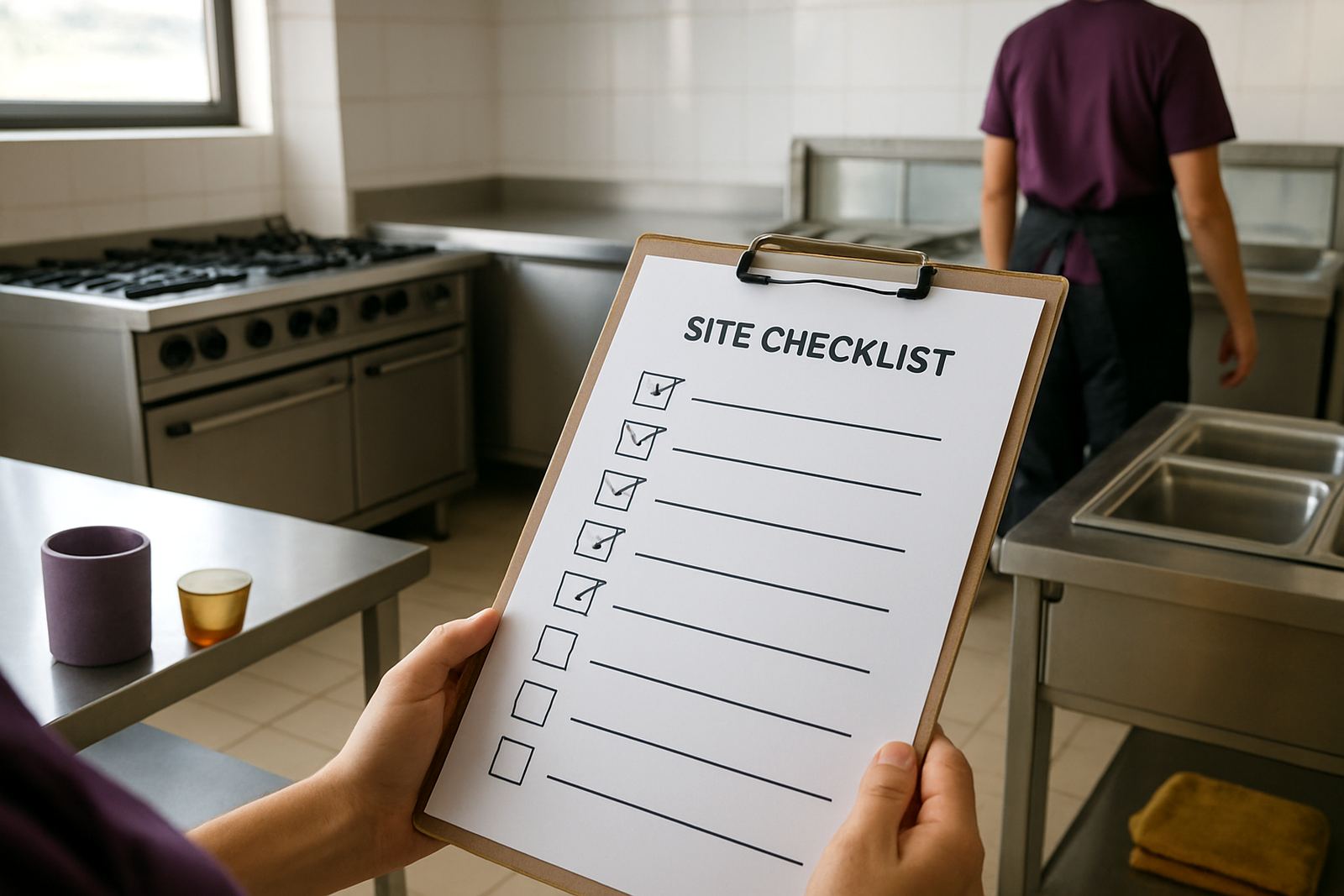
For busy East Rand sites, we recommend a basic pre install checklist so there are no delays on the day. This keeps the handover cleaner and helps the chiller start working as it should. It also makes future servicing easier because the unit can be reached without moving half the kitchen around.
- Measure the route from delivery point to final position.
- Check power supply and outlet location.
- Leave access for cleaning and maintenance.
- Confirm level floor and free air space around the unit.
Quick spec checklist before you order
Use this short checklist before choosing a vertical chiller. It keeps the process practical and helps you compare units fairly, even when the spaces and menus differ. If you send through these details upfront, it is easier to match the right cabinet to your kitchen and avoid costly changes after delivery.
- Required storage volume in litres.
- Number of shelves and whether they must adjust.
- Door hinge side and swing clearance.
- Overall width, depth and height available.
- Type of stock stored, including crates or tall containers.
- Whether the unit sits near heat, sunlight or high traffic.
If you are unsure, a site measure is the safest way to confirm the fit. It is better to check once than to find the door cannot open fully after installation.