Start With Pan Capacity And Portion Output
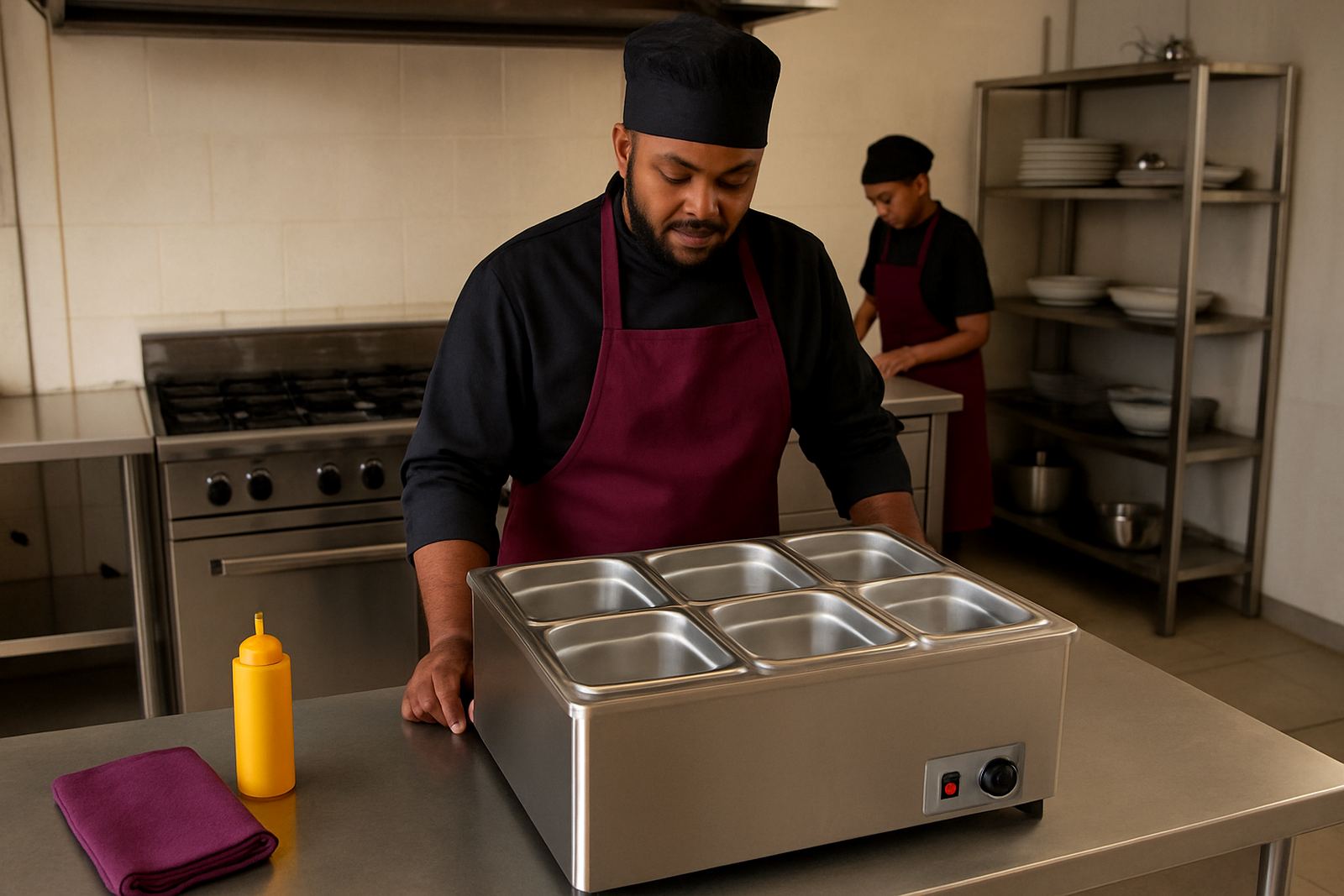
Pan capacity tells you how many menu items you can hold at serving temperature without crowding the station. A small takeaway might manage with 3 to 4 x 1/3 pans, while a busy cafeteria, school or office canteen often needs 6 to 8 pans or a full GN layout with deeper wells for slower moving dishes. The important point is not only how much food fits, but how fast it leaves the tray during a rush.
When you compare units, look at the pan size, pan depth and total heated area. A 150 mm deep pan holds more than a shallow insert, but it also needs better heat balance if the food is stirred less often. For soups, sauces and gravies, depth matters. For rice, vegetables and vetkoek fillings, wider shallow pans are easier to portion from and quicker to top up.
As a rule, choose capacity around your peak hour, not your slowest shift. If you serve 80 meals on a quiet day but 180 on Fridays, size the bain-marie for the Friday rush so the team is not trying to squeeze extra trays into the line.
Wet Or Dry Bain-Marie: Which Format Suits Your Food
A wet bain-marie uses water between the heat source and the pan base. That gives a gentler heat and helps protect sauces, curry and custard-style dishes from drying out. A dry bain-marie heats the pan directly, so it warms faster and is easier to run when you need quick turnarounds, but it can dry out food if the lids stay open too long.
For takeaway counters and fast service, dry units often suit dishes that are topped up often and sold quickly. For hotels, delis and buffet lines where food may stand longer, wet units are still a steady option. In coastal areas, stainless surfaces and enclosed controls help with humidity, rust and daily wipe-downs, especially where salt air gets into equipment.
If your team changes menus often, ask how the unit performs with different pan loads. A wet model may be kinder on chilli con carne and curry, while a dry model can be better for pie filling, wors and mash that need stronger top heat. It is also worth checking how easy it is to drain or clean after service because no one wants water sitting overnight.
How To Match The Bain-Marie To Your Serving Line
Good serving-line integration means the bain-marie sits at the right height, aligns with counters and keeps the flow moving from prep to plate. If the front counter is too low or too high, staff will slow down and spills become more common. In a busy East Rand outlet, even a small mismatch can cost time every hour.
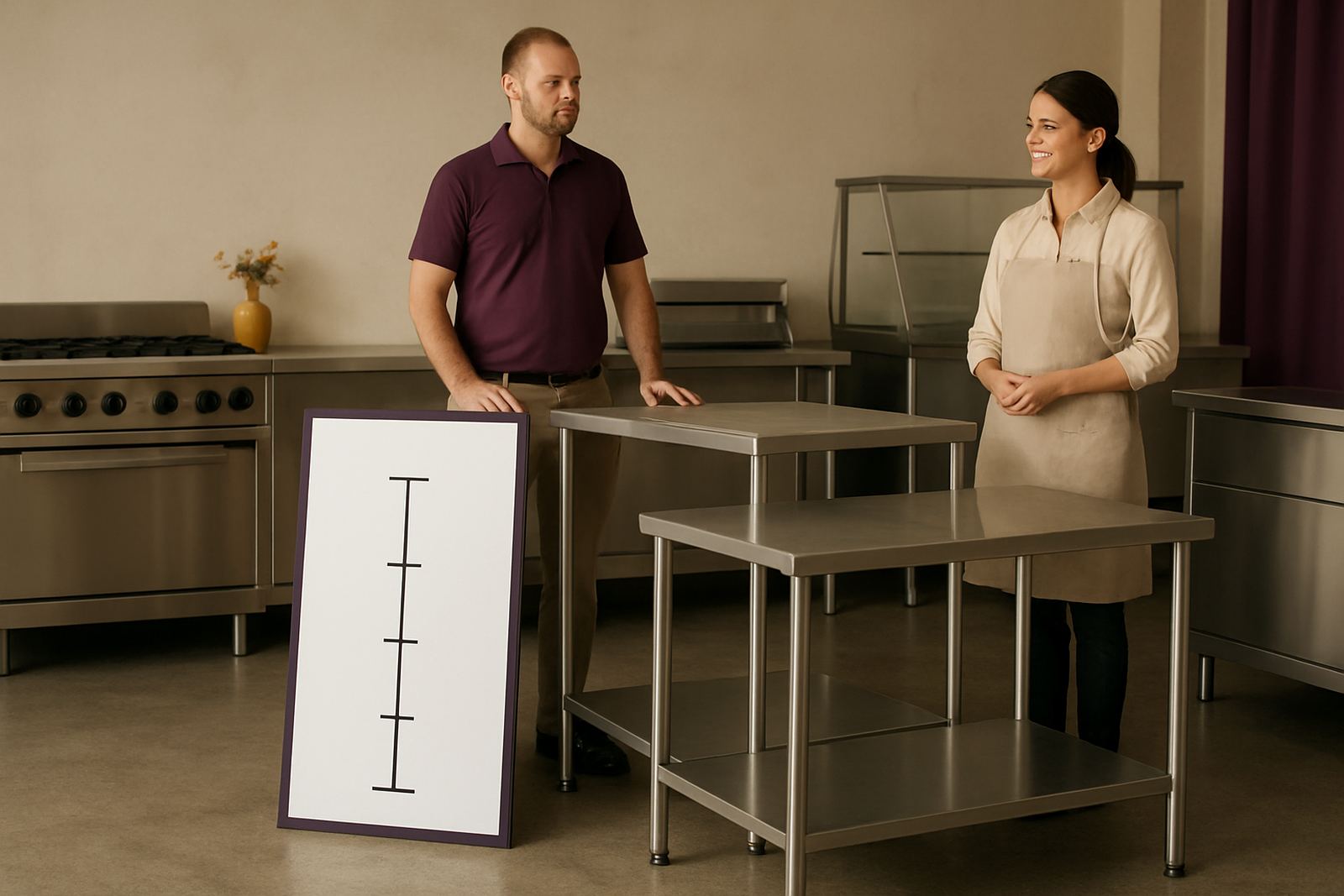
Measure the opening, the counter depth and the space needed for trays, lids and a working hand at the front. If you are fitting the unit into an existing line, check whether the splash backs, sneeze screens and cashier position leave enough room for serving without bumping elbows. Counter cut-outs, support rails and stainless reinforcements often make the difference between a neat fit and daily frustration.
- Measure the exact length, width and working height of the counter opening.
- Allow space for pan handles, lids and serving utensils.
- Check the path from kitchen prep to the front line.
- Confirm where power points or gas supply will sit.
- Make sure there is clearance for cleaning under and behind the unit.
Step-By-Step Buying Checklist Before You Order
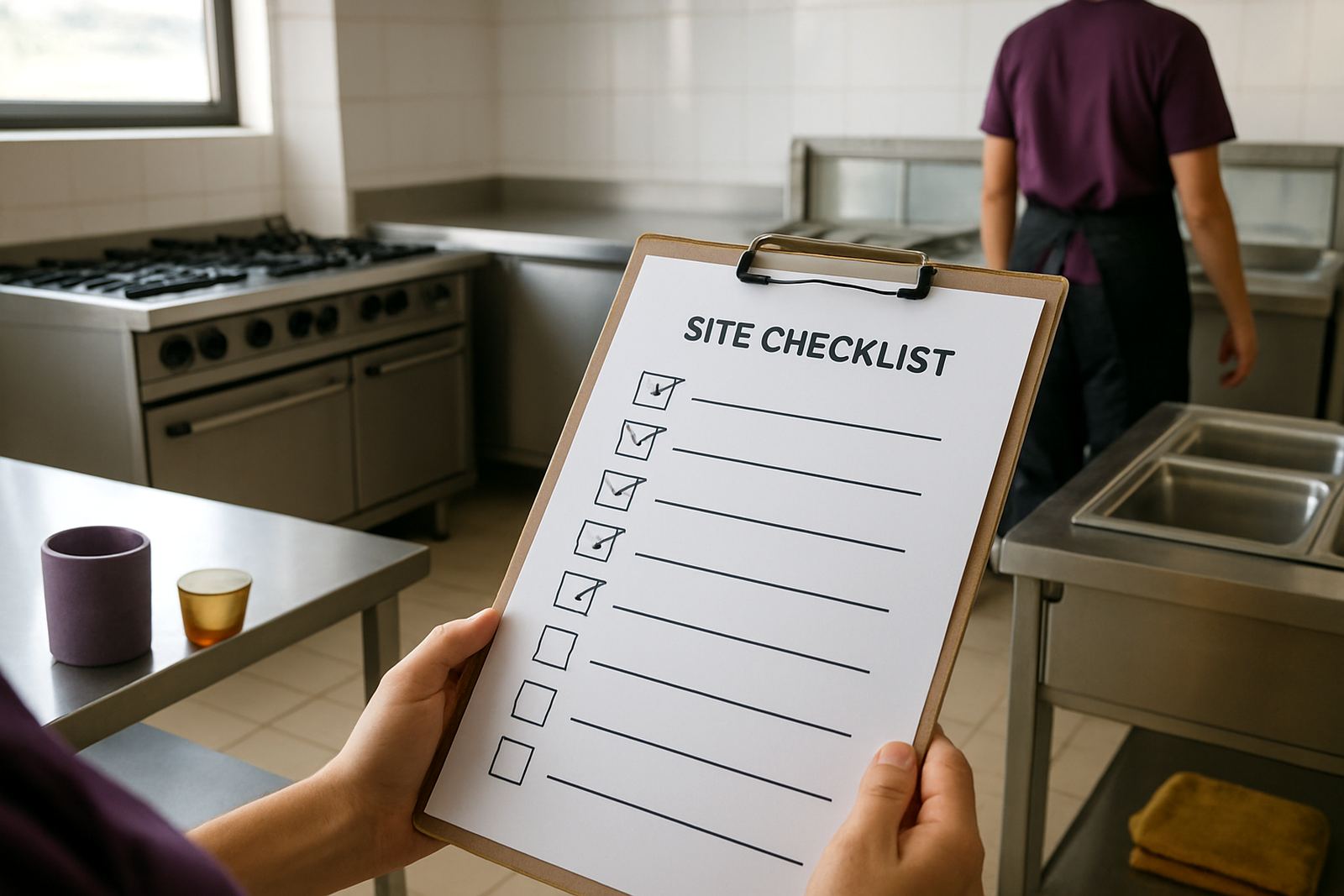
Before you place an order, write down what food you serve, how many covers you need at peak times and whether the unit will run all day or only for lunch. Then check the power setup, because a bain-marie that depends on one circuit can trip if it shares a line with other heated equipment. In areas with load-shedding, that matters even more.
Work through these points one by one:
- List every dish that will sit in the unit and note if it must stay moist.
- Count peak portions per hour, not the average day.
- Decide between wet or dry heating based on food type and service speed.
- Confirm the pan layout and whether you need full size or mixed inserts.
- Check if the frame can carry extra weight when all pans are filled.
- Ask how the unit will be cleaned, drained and serviced.
If you are serving in Brakpan, Springs or Germiston where some sites work with older electrical boards, it is worth having the supply checked before installation. A good setup saves calls back later when the equipment is already on site and the line is opening the next morning.
Materials, Power Use And Daily Cleaning
For food service, stainless steel is the standard because it handles heat, washing and regular contact with trays better than light sheet metal. Look at the thickness of the top, the strength of the legs and whether the corners are easy to clean. A unit that flexes under weight or leaves open seams will trap food and slow down the close-up routine.
Power use depends on pan count, heating method and how often the lids stay open. A well matched bain-marie should keep temperature steady without running harder than needed. If you have frequent outages, ask how quickly the unit comes back to serving temperature after power is restored, because long recovery times can affect lunch service.
Daily cleaning should be simple: switch off, let it cool safely, remove pans, wipe the wells and dry all surfaces before closing. Check that drain points, control knobs and corners are easy to reach. If staff need to dismantle half the line just to clean one unit, the routine will not last.
What To Ask For When You Need A Custom Fit
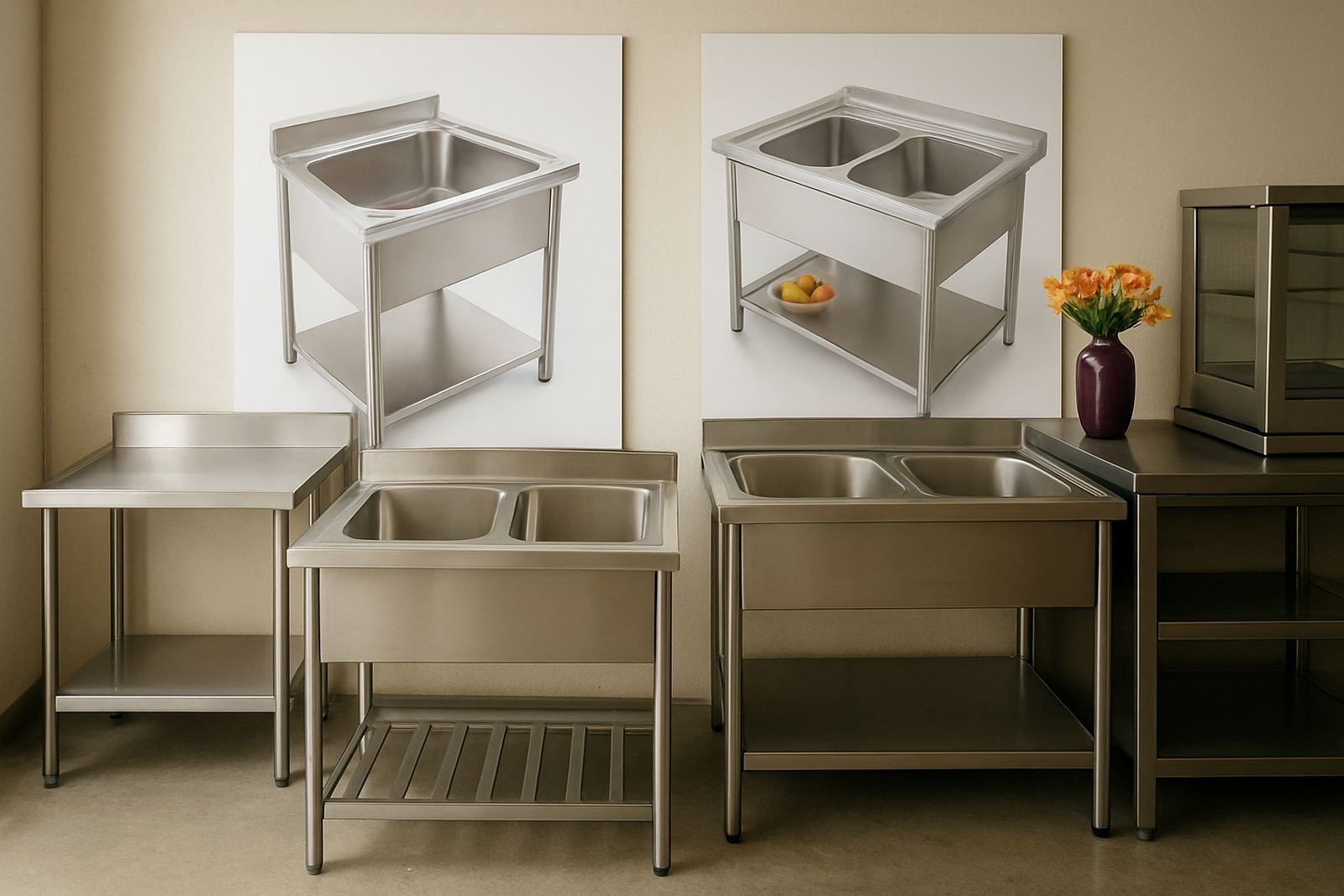
Some counters need a standard unit, others need a custom build to suit the kitchen layout, the menu and the foot traffic. A custom bain-marie can be matched to your prep tables, display front and extractor layout so the whole line works together. That is useful for Benoni showrooms, Boksburg clients and fast-moving takeaway sites where every centimetre matters.
When requesting a custom spec, share the counter opening, pan count, preferred heat type and whether the unit must sit beside a display base or under a canopy. Mention any fixed pillars, walls or service hatches too. The more accurate the site measurements, the cleaner the fit. It saves on site changes and keeps the installation day moving.
For many kitchens, the right bain-marie is not the biggest one, but the one that fits the line, holds temperature properly and can be cleaned without fuss. That is what keeps service calm when the queue builds up.