Start With Your Daily Service Volume
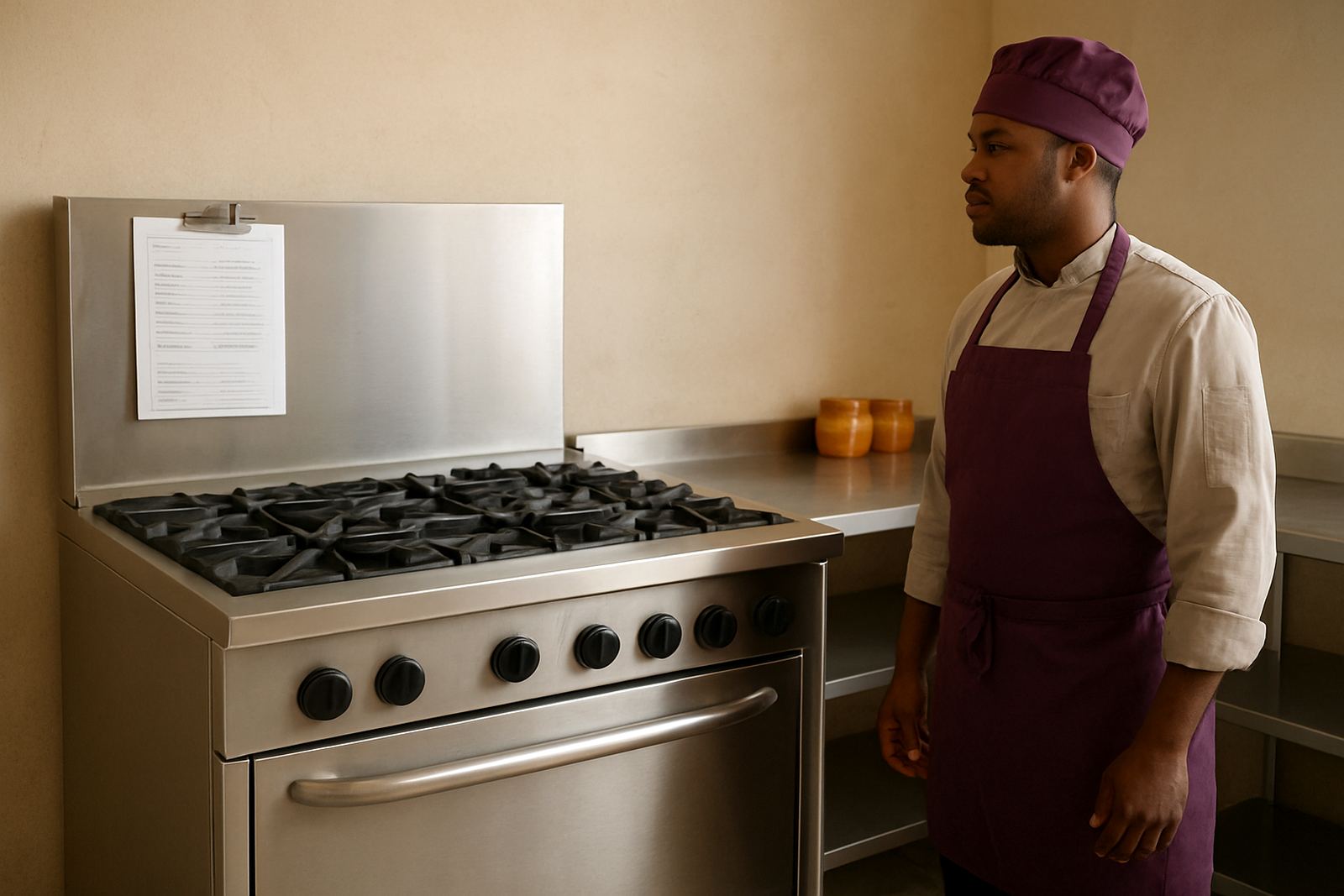
A small takeaway doing breakfasts and lunches usually needs a different gas range to a restaurant cooking full meals all day. Start by looking at how many pans you run at once, how often the oven is used, and whether you need the unit to handle peak periods without slowing service. In Benoni and the surrounding East Rand, many kitchens also want gas as a back-up when load shedding hits, so the range has to cope with pressure and long shifts.
As a rule, a two or four burner unit suits lighter output, while a six burner range is better for busy kitchens with multiple orders moving at the same time. If the menu includes grills, sauces and stock pots, extra burner space saves a lot of shuffling. Measure the available floor space carefully and allow room for the cook to move, clean and access the rear gas line.
- Count the number of pans used at peak service, not just quiet periods
- Check if the range will sit against a wall or under an extractor canopy
- Allow clear access for cleaning behind and beside the unit
- Confirm the gas supply point before you place an order
Burner Counts And What They Suit Best
Burner count is the first spec most buyers ask about, but the size of the burners and the spacing between them matter just as much. Tight spacing can be awkward when you are using large pots, and burners that are too small can waste time bringing food to temperature. For busy takeaways in Boksburg, Brakpan or Germiston, a practical layout often matters more than a fancy finish.
Two burner ranges work for compact operations or as a support unit. Four burners suit small restaurants and coffee shops with a limited menu. Six burners are a common choice for full kitchens because they give the chef enough room to keep one side on sauces and the other side on mains. If you expect steady cooking through the day, choose burners that can hold a stable flame under a full pan, not only small cookware. A cheap unit may look fine, but if the flame spreads unevenly you end up wasting gas and time.
- Two burners: light use, pop ups, small prep stations
- Four burners: compact restaurants, canteens, small takeaways
- Six burners: busier kitchens, mixed menus, higher output
- Wide burner spacing: better for large pots and frying pans
Oven Formats And Cooking Style
The oven section can change the way the whole range works in service. Some buyers only need a simple oven for reheating, baking or roasting, while others need a proper lower cavity that can handle trays of pies, chicken portions or baked dishes through the day. If your kitchen serves school food, butcher counters or township takeaways, the oven format should match what leaves the pass most often.
Single oven ranges are easier to place in smaller kitchens and can be a good fit where the main output is burners. Double oven units offer more separation, which helps when one item needs steady heat and another must stay ready. Check the tray size, internal height and door swing before you commit. If the oven door opens into a narrow aisle, service can become awkward fast. The same goes for installations near a servery counter or mobile trolley route. A unit that works in theory may not work well once the kitchen is full.
- Single oven: simpler layout, smaller footprint
- Double oven: better for volume and separate cooking stages
- Check tray size against the food you batch cook
- Make sure the door opens cleanly in your actual kitchen layout
Materials, Finish And Cleaning Practicalities
For South African food businesses, the outer finish needs to handle grease, steam and regular wiping down. Stainless steel is a common choice because it copes well with daily cleaning and does not mind the moisture that builds up in coastal humidity or a hot prep area. It also suits kitchens that need to meet municipal and environmental health expectations around hygiene and easy maintenance.
Look closely at the top surface, knobs, pan supports and oven seals. A unit with smoother corners is easier to keep clean, and that matters when staff are working fast. If the range will sit beside a prep table or under a canopy, ask how the unit will be finished at the rear and sides. In some cases, a counter modification or stainless recladding helps the range fit properly into an existing line. For kitchens that use mobile trolleys and display units, the edges and height should all match so the workflow stays neat.
- Choose easy-wipe surfaces with minimal creases and joins
- Check the finish around knobs, doors and burner surrounds
- Allow for steam, oil splatter and daily deep cleaning
- Match the range height with adjacent counters and prep tables
Installation Checks Before The Gas Line Goes In
Good installation starts before the gas fitter arrives. Measure the unit space, confirm where the cylinders or line feed will sit, and check the ventilation route. If the kitchen uses an extractor canopy, the canopy position must suit the range width and heat output. The area should also have enough clearance for service access. In Benoni showrooms and across the East Rand we often see buyers rush this step, then discover the gas point is on the wrong side or the canopy is too narrow.
Get the floor level checked, especially in older premises where tiling or drainage may be uneven. A range that rocks slightly can be frustrating and unsafe. For indoor installs, ask about legal compliance, shut off valves and leak testing. If you are running a takeaway in Germiston or Springs, it is worth planning for future expansion too, because moving the gas line later costs more than setting it up correctly now. One small detail now saves a lot of stoppages later.
- Confirm available floor space and rear clearance
- Match the extractor canopy width to the range
- Plan the gas point, isolation valve and test access
- Check for level flooring and safe service access
A Simple Buyer Checklist Before You Order
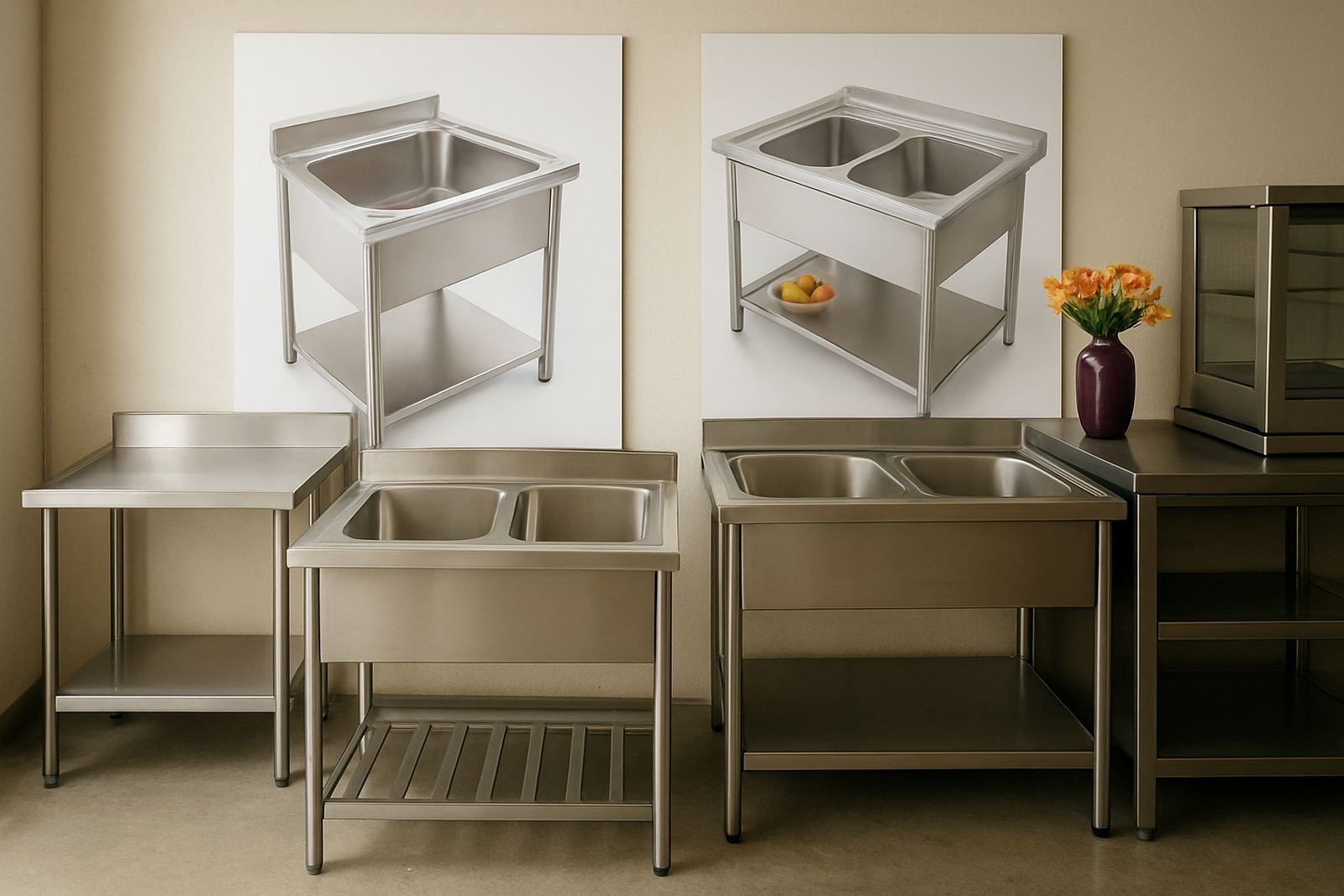
Before ordering, write down exactly how the kitchen works on a busy day. List the dishes cooked on burners, the items baked in the oven, and any side equipment that must sit nearby. If you need custom prep tables, custom sinks, servery counters or shelving and racking, plan the gas range around those fixed points rather than trying to force the layout afterwards. That saves time on site and keeps the workflow sensible.
A supplier should ask practical questions about menu, space and power interruptions. If the answer is only about burner count, that is not enough. At CaterKraft in Benoni, the right conversation is about the real kitchen, not just a catalogue line. Lerato Khumalo and the team work with clients from Boksburg, Brakpan, Kempton Park, Springs and Germiston, and national deliveries are arranged for buyers outside the East Rand too. If the install is planned properly, the range does its job without drama.
- How many burners do you actually use at peak service?
- Do you need one oven, two ovens, or no oven at all?
- Where will the gas feed, extractor and surrounding counters sit?
- Will the unit need custom fitting or stainless finishing around it?
When A Custom Spec Makes More Sense
Not every kitchen fits a standard unit neatly. If the space is narrow, the menu is specialised, or the range must line up with existing counters, a custom-built solution can be the better route. That is often the case in takeaways with a tight front-of-house, school kitchens with fixed serving lines, and refurbished sites where older equipment has to be worked around. A custom gas range spec can also help when you need to keep heat away from a passing route or fit a unit under a canopy with limited height.
Custom work is not only about size. It can include stronger legs, a specific burner layout, modified shelving, or stainless recladding to bring old equipment back into service. If your site has uneven floors or a tricky gas point, site measuring is worth doing before fabrication starts. It is a bit of extra time upfront, but it avoids wasted steel, extra call-outs and that annoying moment when the unit arrives and is 20 mm off.