Start With the Plate Size That Matches Your Trade
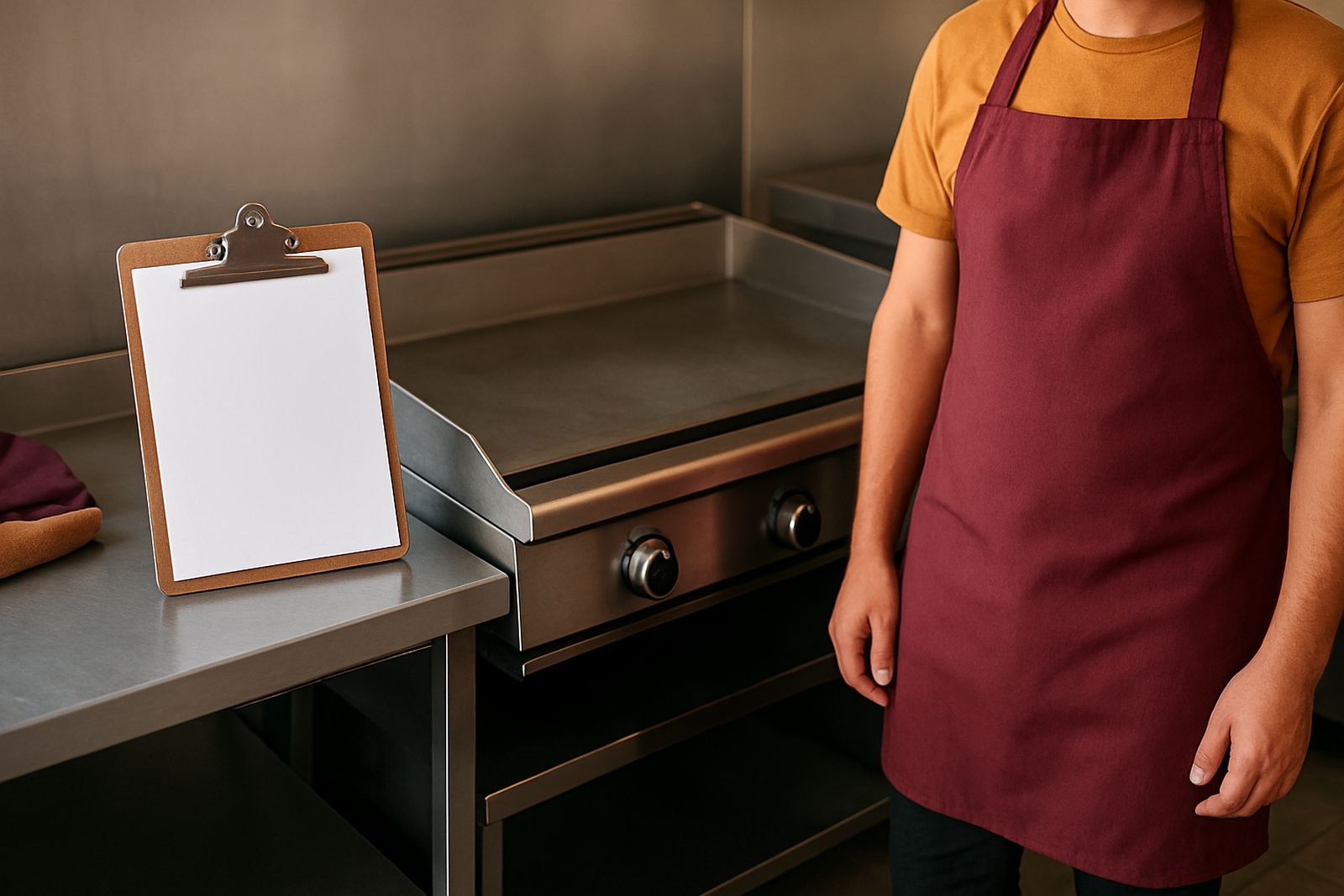
Plate size sets the pace of the kitchen. A small unit may suit a coffee shop or snack counter, but once you are pushing eggs, patties, toasties and prepped sides at the same time, the cooking area must be wide enough to keep food moving. Measure the actual working width, not just the outer casing, then check how much of that surface is usable once the splash guards and controls are accounted for.
For smaller service points, a plate around 600 mm wide can be enough if the menu stays tight. For busier takeaways and canteens, 900 mm or 1 200 mm gives better spacing and fewer bottlenecks. In a high-volume shift, a cramped plate forces food to stack, which drops quality and slows orders. A practical rule is to allow separate cooking lanes for eggs, meat and finishing items so one batch does not sit in the way of the next.
Also check plate depth. A deeper plate gives more room for turners and staging, while a shallow one may look fine on paper but feels tight when staff are working under pressure. If you have a service hatch or counter opening, confirm the external footprint early because a unit that cooks well but blocks movement becomes a daily problem.
Read the Heat Zones Before You Compare Power Ratings
Heat zones matter as much as total output. A good griddle should let you hold one side at a lower heat for eggs or toast and keep the other side hot enough for burgers, boerewors or grilled chicken. When the plate heats evenly from edge to edge, you get better control and less waste. When it does not, staff end up moving food around to find the hot spots.
Ask where the burners or elements sit and how the heat is spread across the plate. On gas units, burner spacing affects how quickly the plate recovers after a load of cold product goes on. On electric units, element layout and thermostat placement change how stable the surface feels during a rush. If your kitchen has frequent load shedding, a gas option may suit better, but only if the installation space, ventilation and gas compliance are in order.
Test the recovery time if you can. Put a cold batch on the plate and see how quickly it comes back to cooking temperature after the first drop. That is the difference between a unit that handles service and one that struggles by 9 am. A griddle with even output saves labour because one person can manage more without constant fiddling.
Grease Management Points That Keep the Work Area Cleaner
Grease management is not a side detail. It affects cleaning time, safety and how the front of house smells after a long session. Check the slope of the plate, the drain channel and the size of the grease drawer or collection tray. The best layout moves fat away from the cook line without splashing it back onto the operator.
Look at these points before you buy:
- Front or rear drainage position and whether it is easy to reach during service
- Drawer size and whether it can be removed without lifting the full unit
- Drip edge design to stop fat running over the counter
- Splash guard height on the back and sides for open kitchens
- Access for daily scraping and end-of-shift deep cleaning
If the grease path is awkward, the staff will improvise and that usually means more mess and more time on cleanup. In coastal or humid areas, greasy residue also holds onto dust and smell faster, so a well-designed tray and easy rinse-down surface matters even more. Stainless surfaces make the routine easier, but only if the corners, welds and seams are neat enough to wipe properly.
What to Check in the Frame, Plate and Controls
Spec sheets can look similar until you compare the construction. The frame should feel steady under pressure and should not twist when the plate is hot. Stainless is commonly used for the outer body and work areas because it handles daily cleaning well, but thickness still matters. A thinner shell may save money upfront and then flex when loaded with pans or when moved around in a busy prep area.
Controls need to be easy to read and simple to reset. That matters when a kitchen is busy and the person on the line is wearing gloves or working through steam. If a thermostat or gas control is awkward, the temperature gets chased all day. Check that knobs are marked clearly and placed where they will not get knocked during service.
It is also worth checking the feet or castors. On uneven factory floors or older takeaway sites in Benoni, Boksburg or Germiston, a unit must sit level or the grease runs the wrong way. If the floor slopes, adjustable feet help more than people expect. A good griddle should settle properly and stay that way after cleaning.
Sizing the Griddle to Your Menu and Peak Trading Hours
Do not size the unit for the quiet hour, size it for your rush. A breakfast shop may need a different setup from a burger counter that starts heating up at lunch and keeps going into the night. Count the items you need to cook at once, then add room for holding and turn-around. If staff must wait for space on the plate, service slows and food quality falls.
Use this simple planning check:
- List your top 10 menu items and mark which ones need direct contact heat
- Estimate the maximum number of portions cooked in one 10 minute rush
- Measure the counter opening, gas point or electrical point before ordering
- Confirm where the unit will be cleaned and where the grease will be disposed of
- Check whether the extractor canopy and ventilation are already suitable
For many East Rand kitchens, the best choice is not the biggest unit available but the one that fits the staff flow. A slightly smaller plate with better heat control can outperform a large one that is awkward to use. That is especially true where one or two people are handling the full line.
Final Checks Before Installation or Collection
Before the unit goes into service, confirm the site conditions. Gas appliances need proper connections and safe placement away from clutter. Electric units need the correct supply, and the circuit must handle the load without nuisance trips. If the site is in a mall, container kitchen or municipal building, check any local rules on ventilation, fire safety and grease disposal first.
Walk through this last check:
- Does the unit fit through the doorway and into the working position
- Is there enough clearance around the sides and rear for heat and cleaning
- Can staff reach the grease tray without stopping service
- Will the plate height suit the operator for a full shift
- Has the installer checked the floor level, gas line or electrical feed
Once those basics are sorted, the griddle becomes easier to live with every day. In a Benoni workshop or a national chain rollout, the same rule applies: the right specs save time, reduce waste and keep the line moving when the kitchen gets busy.