What A Single Bowl Sink Does In A Busy Kitchen
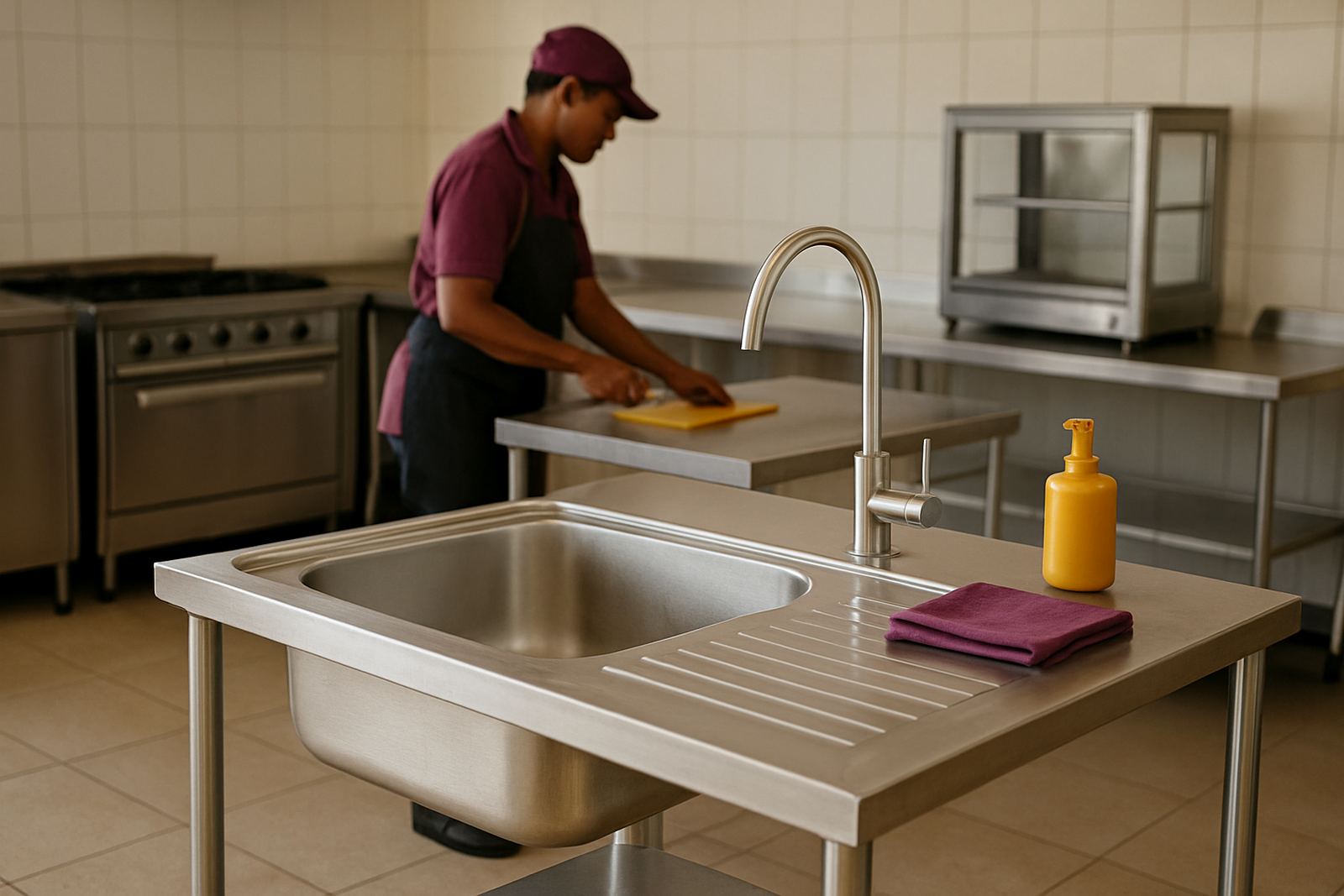
A single bowl sink is the simple wash station many kitchens rely on when space is tight but the work still needs to keep moving. It is used for rinsing vegetables, washing utensils, soaking trays, cleaning small pots and handling general prep clean-up in a controlled area.
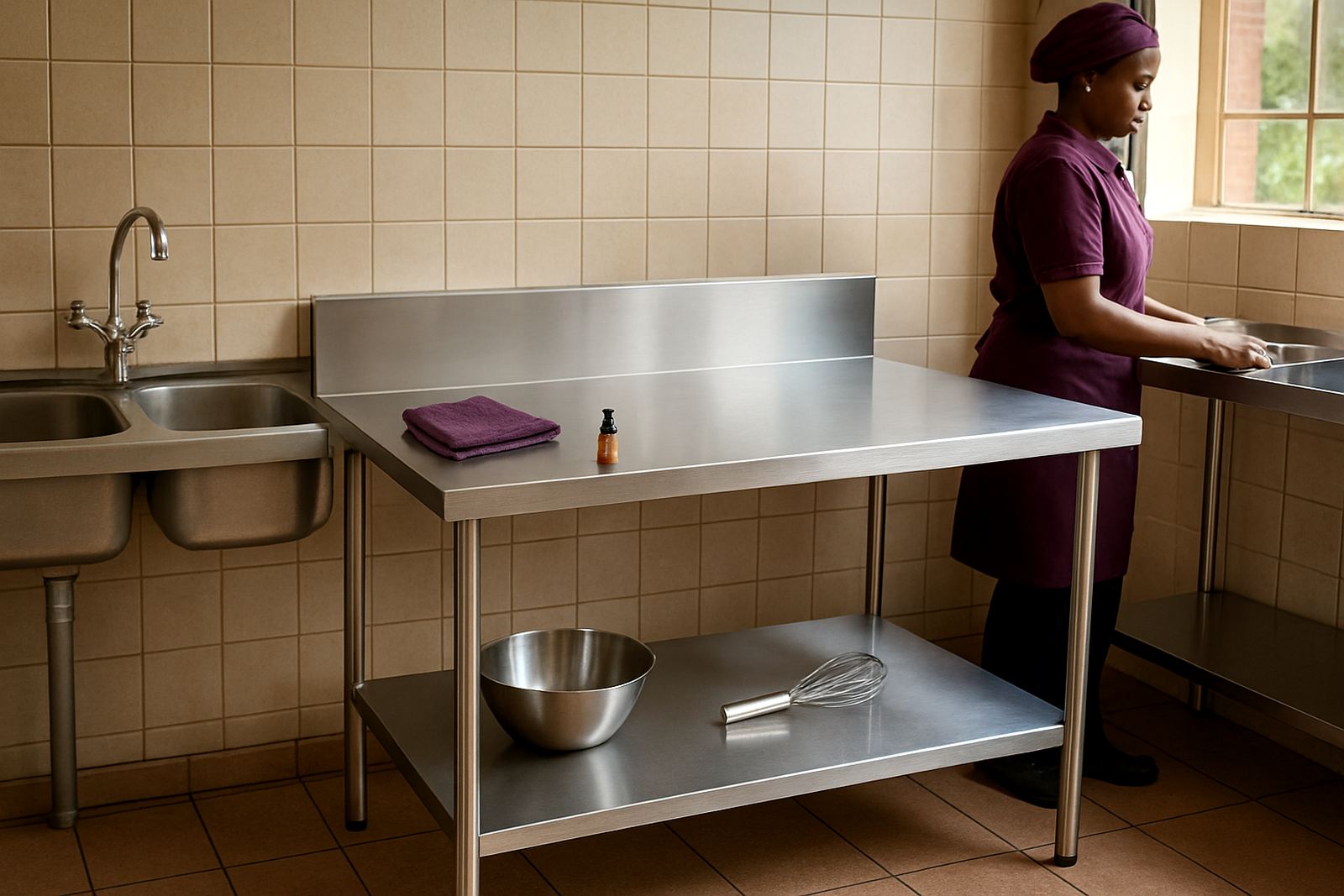
For Benoni, Boksburg and Germiston kitchens, this type of sink is often fitted in sculleries, prep rooms, bakeries and takeaway back areas where one person needs a practical station that does not block a passage. It can stand alone, sit beside a prep table, or form part of a longer stainless run with shelving above and a drain tray next to it.
Because it is a single bowl, the footprint stays manageable. That helps in smaller premises, container kitchens and sites where you need to work around existing plumbing or a narrow wall line. It is not a showpiece, its a working unit, and that is usually exactly what a commercial kitchen needs.
Sizes, Bowl Depths And Practical Options
Single bowl sinks are usually built to suit the room, the workload and the plumbing point already in the building. Common widths are 600 mm, 750 mm, 900 mm and 1200 mm, with bowl depths often between 250 mm and 300 mm depending on what is being washed. We can also build to a specific gap if you are replacing an older unit or working into a fixed corner.
Typical options include a splashback, right or left side drainer, undershelf, reinforced top and adjustable feet for uneven floors. In some kitchens a deeper bowl is better for washing larger trays, while in a compact takeaway a smaller bowl with a draining board keeps the line tidy and efficient.
- Material: stainless steel for easy cleaning and long service life
- Top thickness: usually 1.2 mm to 1.5 mm depending on use
- Bowl finish: brushed stainless for a neat, practical surface
- Legs and framing: stainless or powder coated support where specified
- Drain fitting: matched to standard waste lines and traps
- Optional extras: undershelf, soap holder, pre-rinse area or splashback
Where the unit will be used near the coast or in a humid scullery, the steel grade and finish matter more than people expect. A well made unit is easier to keep clean and far less likely to show early wear from constant water exposure.
Where It Suits Best From Takeaways To Prep Rooms
This sink suits kitchens that need one reliable wash point rather than a large multi bowl installation. It works well in sandwich bars, bakeries, school canteens, staff canteens, cafés, takeaway stores and small catering prep rooms. It also fits neatly into butcheries and food prep areas where separate washing points help with hygiene control.
In East Rand premises, we often see this product used where the kitchen has to share space with storage or service counters. A single bowl sink can sit beside a prep table, under a window line, or against a wall where it does not interrupt traffic from the store room to the service counter. If your operation runs through load-shedding, the layout becomes even more important, because staff need to move fast around a simple, clear work flow.
- Small and medium takeaways
- Prep kitchens and sculleries
- Bakeries and deli areas
- Schools, clinics and staff dining rooms
- Temporary or mobile food service setups
For businesses in Brakpan, Springs and Kempton Park, the main advantage is the balance between footprint and function. You get a proper wash station without giving up valuable counter space for other tasks.
Installation, Plumbing And Utility Needs
A single bowl sink needs a proper water supply, waste line and a level base. Most units are installed against a wall with access for hot and cold water if required, plus a trap and drain connection suited to the site. If the sink is going into an older building in Benoni or Germiston, we normally check the available pipe routes before fabrication so there are no surprises on site.
It does not need power or gas for normal operation, which makes it a useful choice in places where supply is limited or where the kitchen plan must stay simple. That said, the surrounding area may still need power for nearby appliances or a water heater, and the route for those items should be planned early so the sink does not end up in the way.
Floor falls, splash protection and wall finish all matter. If the sink is going into a food prep zone, it should be easy to wash down and should not leave water sitting where staff stand. We also check whether the site needs wall mounting, floor standing legs or a framed base depending on the floor condition and the use.
- Water supply points should be accessible for servicing
- Waste outlet must match the site trap and drain line
- Allow enough room for cleaning around the legs and underside
- Check wall clearances for taps and splashback height
Care, Cleaning And Ongoing Servicing
Stainless sinks need simple daily care, but that care must be regular. Rinse away food residue after use, wipe down with a soft cloth and mild cleaner, then dry the surface to avoid water marks. If the sink is left with salt, citrus or harsh detergent on the steel, the finish will start to look tired long before the structure has worn out.
Once a week, check the waste basket, trap and seals for slow leaks or blockages. In busy sites around the East Rand, a blocked waste line can stop service faster than people expect. If the sink is fitted in a humid room or near a dishwashing area, check the joints more often, because moisture builds up around fittings and behind splashbacks.
We recommend a quick service check if you notice loose legs, a leaning frame, pooled water at one corner or rust stains from nearby fittings. Most of the time the issue is minor and easy to sort. A proper inspection can save you from replacing parts too soon and keeps the unit working the way it should.
What To Check Before You Order
Before ordering, measure the exact space available, including wall to wall width, front clearance and any pipework already in place. Check whether the sink must fit through a doorway, into a lift or down a narrow passage at your site. A few millimetres can matter when you are working in a tight Benoni or Boksburg kitchen.
It also helps to decide how the sink will be used. If it is for light rinsing, a compact bowl may be enough. If staff will wash trays or larger prep items, a wider bowl with a deeper basin is better. Think about whether you need a drainer, undershelf or extra splashback, because adding those later can mean rework and downtime.
- Exact installation width and depth
- Bowl size and bowl depth required
- Hot and cold water or cold water only
- Wall mounting or floor standing setup
- Need for drainer, shelf or splashback
- Site access for delivery and fitting
If you are replacing an older sink, send photos and the current measurements before fabrication. That makes it easier to match the opening, line up the waste and avoid last minute changes on the day of install. It is a small step, but it saves time and money.
Built For Local Kitchens And National Delivery
CaterKraft works from Benoni on the East Rand and supplies kitchens across South Africa. For projects in Springs, Kempton Park, Brakpan and Germiston, we can assist with measurements, fabrication and advice on the best layout for your space. For national deliveries, the sink is packed to suit transport and checked against the site details before it leaves.
Our team understands the realities of commercial food spaces, from cramped back rooms to larger prep areas that need a clean, practical wash point. A single bowl sink is often a small part of the kitchen setup, but if it is built and fitted properly it supports the whole operation every day.
For sales or site questions, contact sales@caterkraftsa.co.za and include your measurements, area and intended use. That makes it easier to recommend the right size and finish for the job.
Key facts
| Product | Single bowl sink |
|---|---|
| Material | Commercial stainless steel |
| Common widths | 600 mm, 750 mm, 900 mm, 1200 mm |
| Bowl depth | Approx. 250 mm to 300 mm |
| Utility needs | Water supply and waste line, no gas required |
| Typical use | Prep rooms, sculleries, takeaways and wash stations |