Dual Tanks For Cleaner Turnover
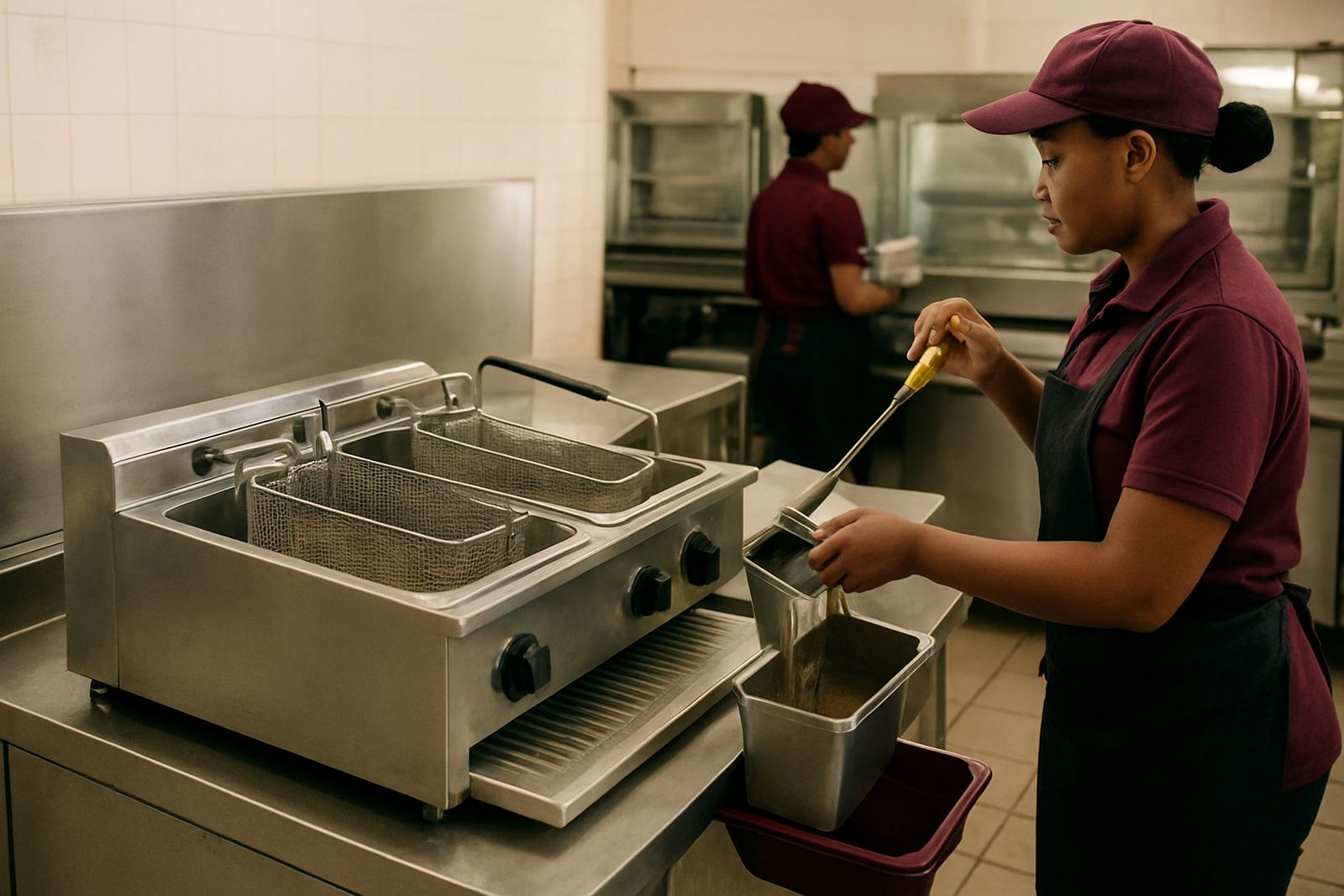
A twin fryer is built with two separate fryer wells, each with its own basket set and heating control. That means you can keep chips on one side and proteins or coated snacks on the other, which helps with flavour control and stock movement during busy service. For operations in Benoni, Boksburg and the wider East Rand, this setup is useful when the menu must stay quick and consistent even when staff are running at full pace.
Because the two tanks work independently, you can run one side during quieter periods and both sides when orders build up. If one tank needs cleaning or oil change, the other can still stay in use. That matters in takeaways where a fryer often has to carry the load during load-shedding backlogs or a sudden rush after a sports event or school pickup.
- Separate oil tanks for better food separation
- Faster service when two items are cooked at once
- Useful for chips, chicken pieces, fish, dough snacks and pastry items
- Helps reduce cross-flavour and mixed crumbs in the oil
Sizes, Basket Layouts And Finish Options
Twin fryers are supplied in working sizes that suit compact counters as well as larger production lines. Common options include floor-standing units for serious output and smaller counter models where space is tight. The body is usually stainless steel for easy cleaning, with removable baskets and drainage points to make daily oil handling more manageable.
For ordering, it helps to think about the number of baskets, tank depth and whether you want a single lid over both wells or separate covers. Some kitchens need a simple two-basket layout for standard service. Others need a deeper tank or a wider footprint for larger batch cooking. If the fryer is going into a prep area with limited access, we can also look at overall width and door clearance before delivery.
- Counter or floor-standing formats
- Single or double basket arrangements
- Stainless steel finish for food areas and easier wipe-downs
- Drain taps and lifting baskets available on selected models
Where A Twin Fryer Works Best
This product suits fast-food counters, school tuck shops, guest house kitchens, forecourt food counters, small catering stores and takeaway shops that need dependable batch frying. It is especially practical where chips must come out crisp and proteins must be fried without unwanted oil transfer. In Germiston, Kempton Park and Springs, many operators use twin fryers to keep service moving when lunch break footfall spikes.
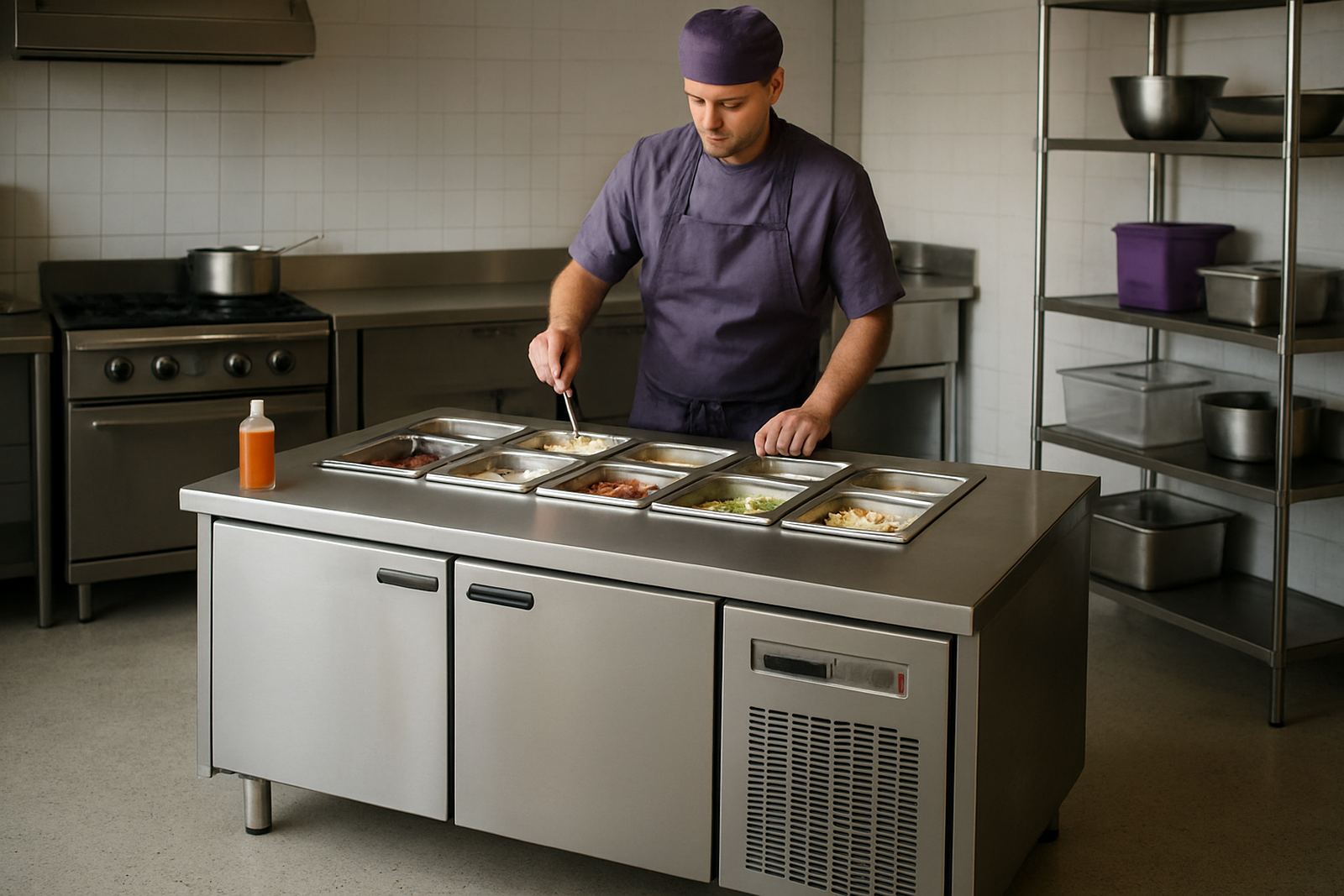
It also works well in service areas that use a simple menu plan. If you know what sells most, a twin fryer lets you keep high-turn items ready while slower items are cooked only as needed. That lowers waste and helps staff keep a clean station. For sites with limited cold storage or no large back-up team, it gives you enough flexibility without adding unnecessary equipment. Some kitchens pair it with a prep table and heated holding area to keep the line moving.
Power, Gas And Installation Points To Check
Before ordering, check whether the fryer will run on electric or gas, and confirm the supply available at site. Electric units need the correct voltage, cable capacity and isolation point. Gas units need safe bottle positioning, proper regulators and ventilation. In both cases, the extractor canopy and service clearances must suit the kitchen layout and local safety practice.
For a new fit-out or replacement in Benoni or Boksburg, measure the floor space, door width and the path from the delivery point to the kitchen. Also confirm where the unit will stand in relation to a sink, prep area and drain line. If the fryer will sit near a wall, leave enough room behind and beside it for cleaning and service access. That small detail saves trouble later when the unit needs maintenance or oil change.
- Confirm electric supply or gas supply before ordering
- Allow clear space for heat, cleaning and servicing
- Match the fryer position with extractor and workflow
- Check access for delivery through doors, corridors and gates
Keeping Oil Quality And Heat Under Control
Good frying depends on steady heat, clean oil and proper basket loading. Do not overload the basket, because that drops the temperature and makes food greasy. Let the baskets drain before service and skim crumbs often. If chips and proteins are fried in separate tanks, the oil lasts longer and the flavours stay cleaner. That is a practical advantage for busy kitchens that cannot afford to change oil too often.
Daily care should include wiping the outside, checking temperature controls and emptying crumbs from the bottom of each tank. Weekly care usually means a fuller clean, checking gas fittings or electrical connections, and inspecting the baskets for wear. If the fryer is used hard every day, book periodic servicing so heating parts, thermostats and safety items are checked before they fail. A small fault ignored now can become a full stoppage during the supper rush.
What To Confirm When Ordering Your Fryer
When you order a twin fryer, it helps to have a clear list of working details ready. That speeds up quoting and reduces mistakes on site. If you are in a restaurant, takeaway or school kitchen, give the menu type, expected volume and available utility supply so the unit can be matched properly. If the fryer is part of a bigger fit-out, we can also line it up with counters, extractor work and adjacent stainless fabrication.
- Electric or gas operation
- Basket quantity and tank capacity needed
- Available floor space and delivery access
- Voltage, gas bottle placement or supply point
- Need for drain tap, lids or splash protection
- Whether the unit must fit beside other hot or cold equipment
For clients across the East Rand and nationally, clear measurements matter. A fryer that looks fine on paper may sit awkwardly against a wall or block a pass-through if the footprint is not checked properly. Lerato Khumalo and the CaterKraft team can help with site measuring, practical layout advice and matching the fryer to the rest of your kitchen line, so the unit works from day one.