What the four burner range is built to do
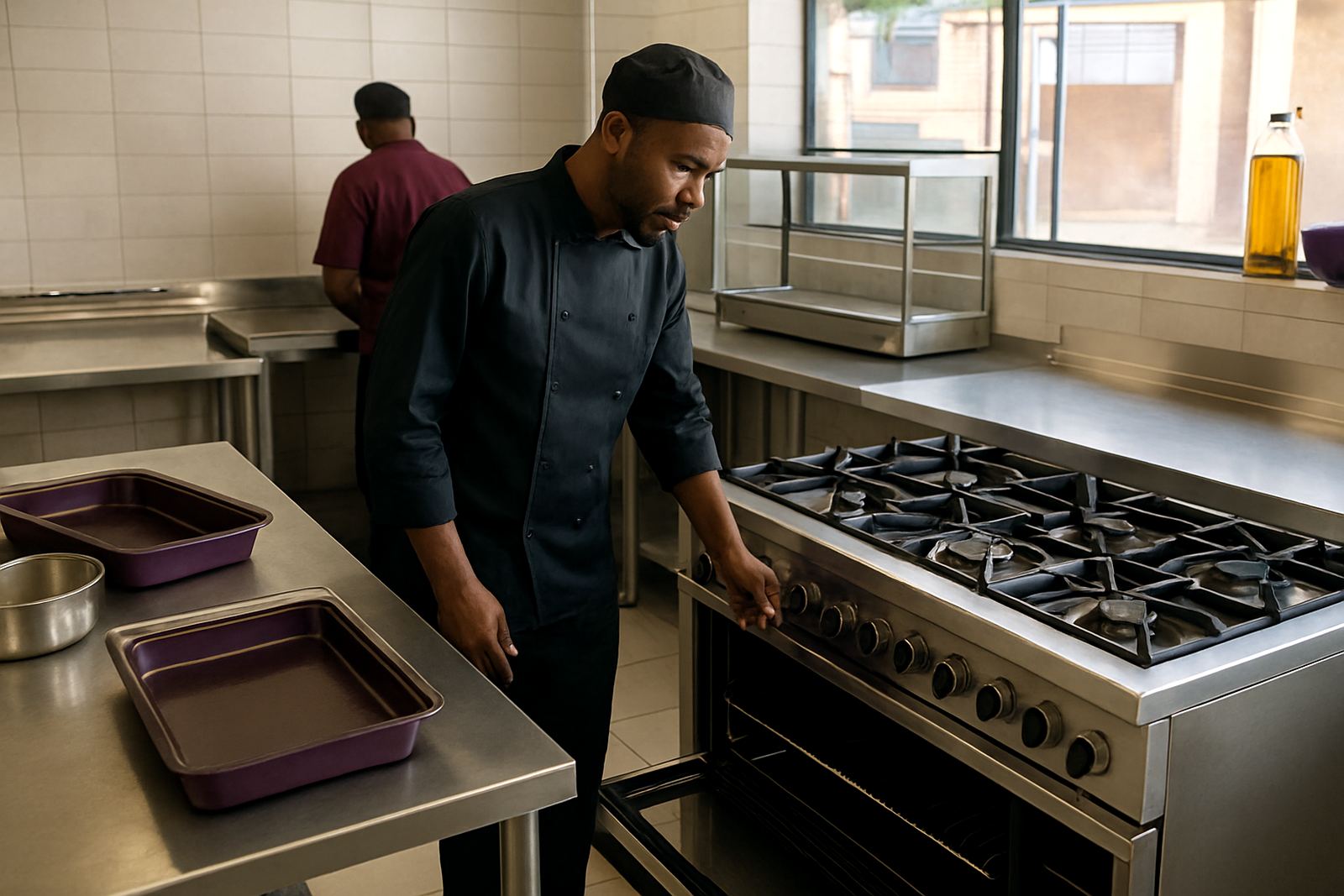
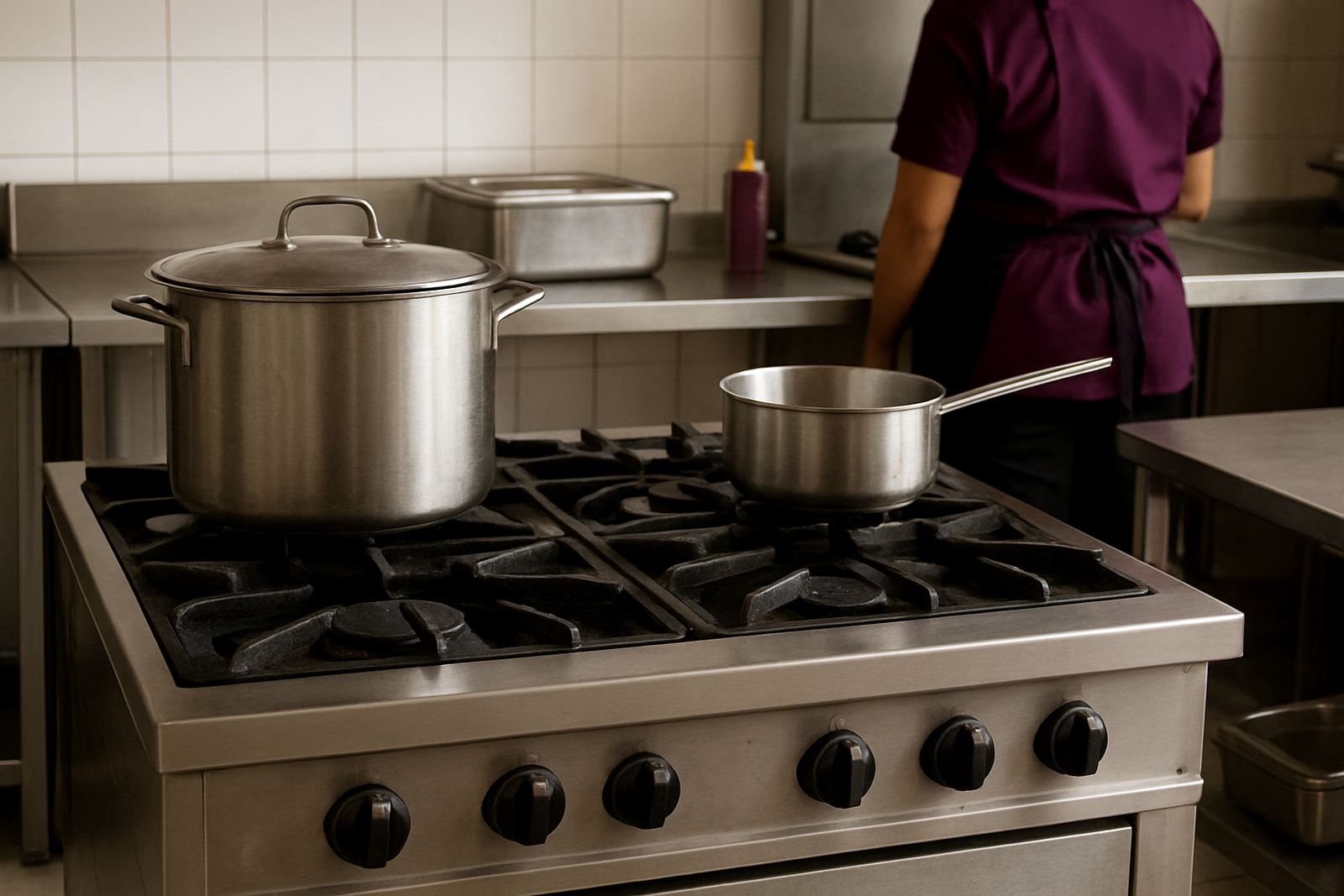
This four burner range is a compact gas unit made for kitchens that need dependable heat in a tighter footprint. It gives you four working plates in one line, so staff can keep a pot of sauce going, boil vegetables, hold soup and run frying pans at the same time. For many takeaways and small restaurants, that mix is enough for breakfast service, lunch rushes and steady evening trade.
The body is typically fabricated in stainless steel for easy wiping and better resistance to steam, oil and frequent cleaning. The top is arranged for quick access, while the burner layout is spaced for practical pot movement. In a busy kitchen that matters, because staff need to move fast without knocking handles together or losing heat between pans.
We supply these units for businesses that want a plain working tool, not a showpiece. If the kitchen is in Benoni, Boksburg or Germiston, the range has to cope with daily use, occasional load-shedding back-up planning and the kind of heat that builds up in a closed service area. This unit is made for that kind of work.
Sizes, burner options and working layout
Most four burner ranges are ordered in a compact format that sits well against a wall or under extraction. The exact size can be adjusted to suit the kitchen line, but a standard unit is often around 600 mm to 900 mm wide, with a working depth near 600 mm and a height that matches other prep surfaces. That makes it easier to keep a straight service line from prep to cooking to plating.
Burner spacing can be arranged for smaller saucepans or larger stock pots, depending on the kind of menu you run. Some kitchens need a tighter top for quick turn-over on breakfast items, while others want more room for pots and pans with handles. If you are running a canteen or school kitchen, the burner pattern may be set up differently to suit bulk food production.
- Compact four burner layout for limited floor space
- Stainless steel body and working top
- Suitable for pots, pans, fryers and sauce work
- Can be matched to a prep table or servery counter
- Optional size adjustments for site layout
When we measure for a site, we also check the clearances around the unit. A kitchen in Springs may have a different wall line to one in Kempton Park, and the burner range has to fit the room, not the other way round.
Where this range fits best
This product suits takeaways, small restaurants, cafe kitchens, staff canteens and food prep areas that need a simple cooking point with good output. It is also a practical choice where gas is preferred for control and faster recovery after lifting a pot off the flame. In a service kitchen, that quick heat response helps keep food moving when orders stack up.
It works well with extractor canopies, stainless prep tables and shelving close by, because a tidy line saves time and reduces mistakes. If the kitchen is fitted out for burgers, chips, breakfast orders or hot snacks, the four burner range gives you enough flexibility to keep several tasks going at once. It is also useful as a secondary line in a larger kitchen when the main cookline is already busy.
- Takeaways with limited back-of-house space
- Small restaurants and coffee shops with cooked menu items
- Canteens, tuck shops and school food areas
- Backup cookline for banqueting and prep kitchens
- Sites that need gas cooking during power interruptions
For coastal humidity or dusty industrial areas, the stainless finish is easier to maintain than painted steel. It will still need proper cleaning, but it holds up better when the kitchen is hot and wet most of the day.
Gas, installation and site needs
The four burner range runs on gas and should be installed by a competent gas technician or installer who understands local safety rules. The supply line must be set up correctly, with the right regulator, shut off control and leak testing before use. If the kitchen is in a retail centre or shared food court, the landlord or centre management may also have rules on gas bottle storage and ventilation.
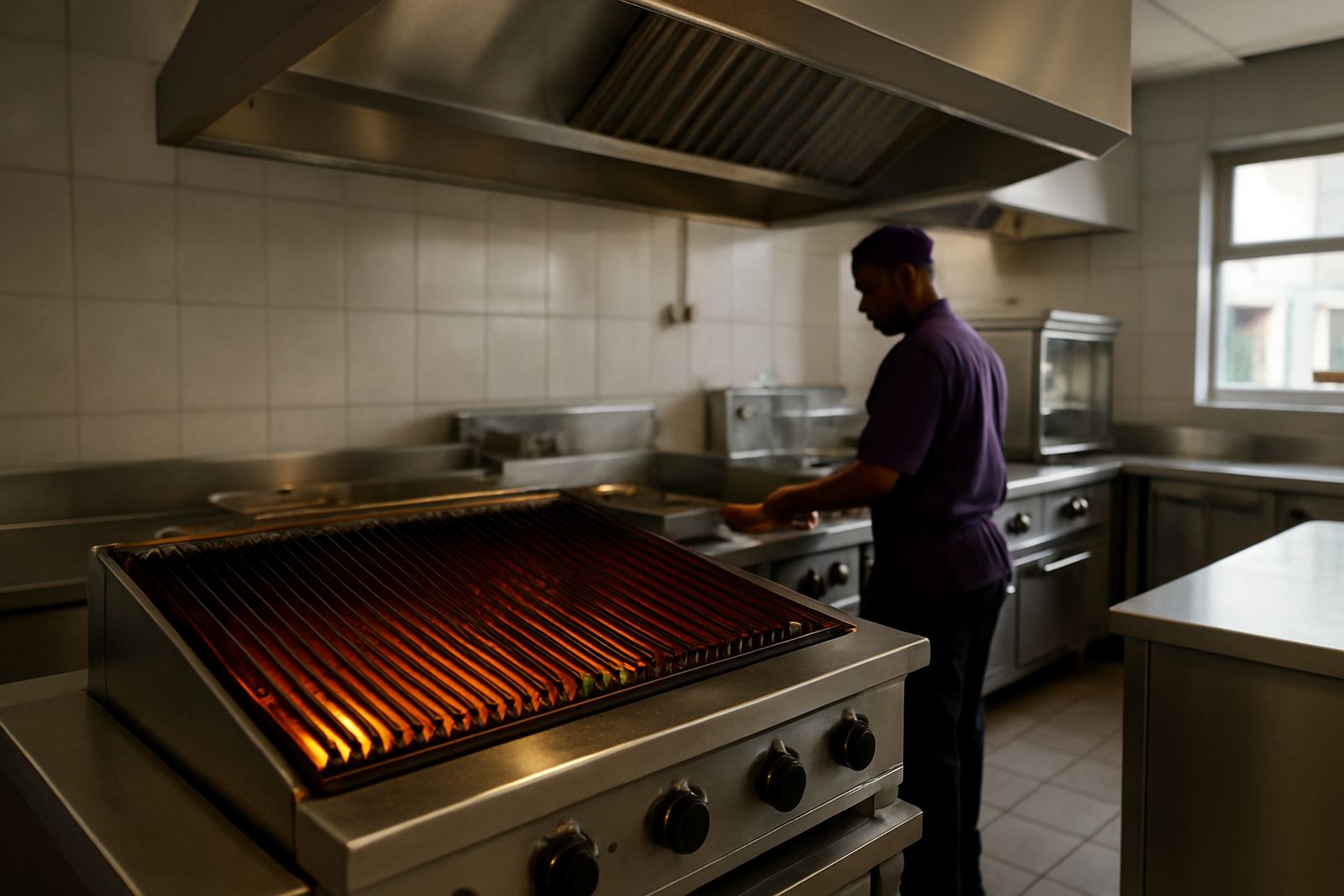
Good extraction is important. Even a compact range sends heat, steam and grease into the room, so the unit should sit under a suitable canopy with enough airflow around the sides and rear. If the kitchen has a tiled wall or stainless splashback, that helps with cleaning around the work area. It is also wise to keep the range level, because uneven floors can make pans sit badly and burners perform less evenly.
Power needs are limited compared to electric cookers, but the kitchen may still need power for ignition accessories, lighting, extraction fans and other equipment. If load-shedding is a concern, gas gives you one less thing to worry about, though the kitchen still needs a safe and planned operating setup. A gas range is only as useful as the room around it, so we check the full layout before manufacture where needed.
Cleaning, care and servicing between shifts
Daily cleaning is simple if it is done properly. Wipe the stainless surfaces after service, remove food spills before they harden, and make sure burner heads stay free of grease and loose crumbs. If sauce boils over or oil splashes onto the top, clean it the same day rather than leaving it until the next shift. That habit reduces smells, staining and unnecessary wear.
Staff should also check the gas connection, knobs and burner flame pattern from time to time. A weak flame, uneven burn or smell of gas should be treated as a fault, not something to ignore. If a burner is not lighting properly, the kitchen should stop and have it looked at before service continues.
- Wipe down after every shift with a non abrasive cleaner
- Keep burner ports clear of grease and food build-up
- Check hoses, fittings and regulators regularly
- Book service if flames burn uneven or the unit is slow to light
- Use cloths and scrapers that will not scratch stainless surfaces
With regular care, the range stays easier to work on and lasts longer. A neglected unit slows service, and in a busy kitchen that costs more than the cleaning effort it saves.
What to confirm before you order
Before ordering, check the space available, the gas source on site and the menu you are cooking. A kitchen that mainly does sauces and boiling needs a different layout to one doing heavy frying all day. You should also confirm whether the unit must fit beside a prep table, under a canopy or into an existing service line.
It helps to measure the opening, note door widths and check how the unit will be moved into the room. In some Benoni and Boksburg sites, access is straightforward. In tighter Germiston or Springs premises, the route to the kitchen can be the real issue. That is why site measuring is useful before fabrication or delivery.
- Available floor space and doorway clearance
- Gas bottle position or fixed gas line location
- Required burner layout for your menu
- Whether the unit must match existing stainless finishes
- Any municipal, landlord or fire safety rules for the site
If you need the range as part of a full kitchen fit-out, it can be paired with custom prep tables, extractor canopies, shelving and counter modifications. That gives the kitchen a cleaner working flow and makes cleaning easier at closing time.
How CaterKraft supports your kitchen line
CaterKraft is based in Benoni on the East Rand and supplies to Boksburg, Brakpan, Springs, Kempton Park and Germiston, with national delivery available. We work with kitchens that need equipment made for daily use, not just for show. If the four burner range has to fit into a specific service line or match other stainless items, we can build around the site measurements and the way your team works.
Our team includes fabrication, service and project support, so we can handle the practical side from enquiry to installation planning. That matters when a business needs a working cookline and does not have time for back-and-forth changes. We know what a hot kitchen looks like after a Friday rush, and we build with that in mind.
For pricing, size options or a fitted layout, email sales@caterkraftsa.co.za. If you are in Benoni showroom range or anywhere on the East Rand, we can talk through the unit and the space it needs.
Key facts
| Product type | Four burner gas range |
|---|---|
| Construction | Stainless steel body and working top |
| Burner count | 4 |
| Typical width | About 600 mm to 900 mm, depending on build |
| Typical depth | About 600 mm, depending on layout |
| Typical use | Frying, boiling, sauce work and small batch cooking |