What an ambient display counter does in daily service
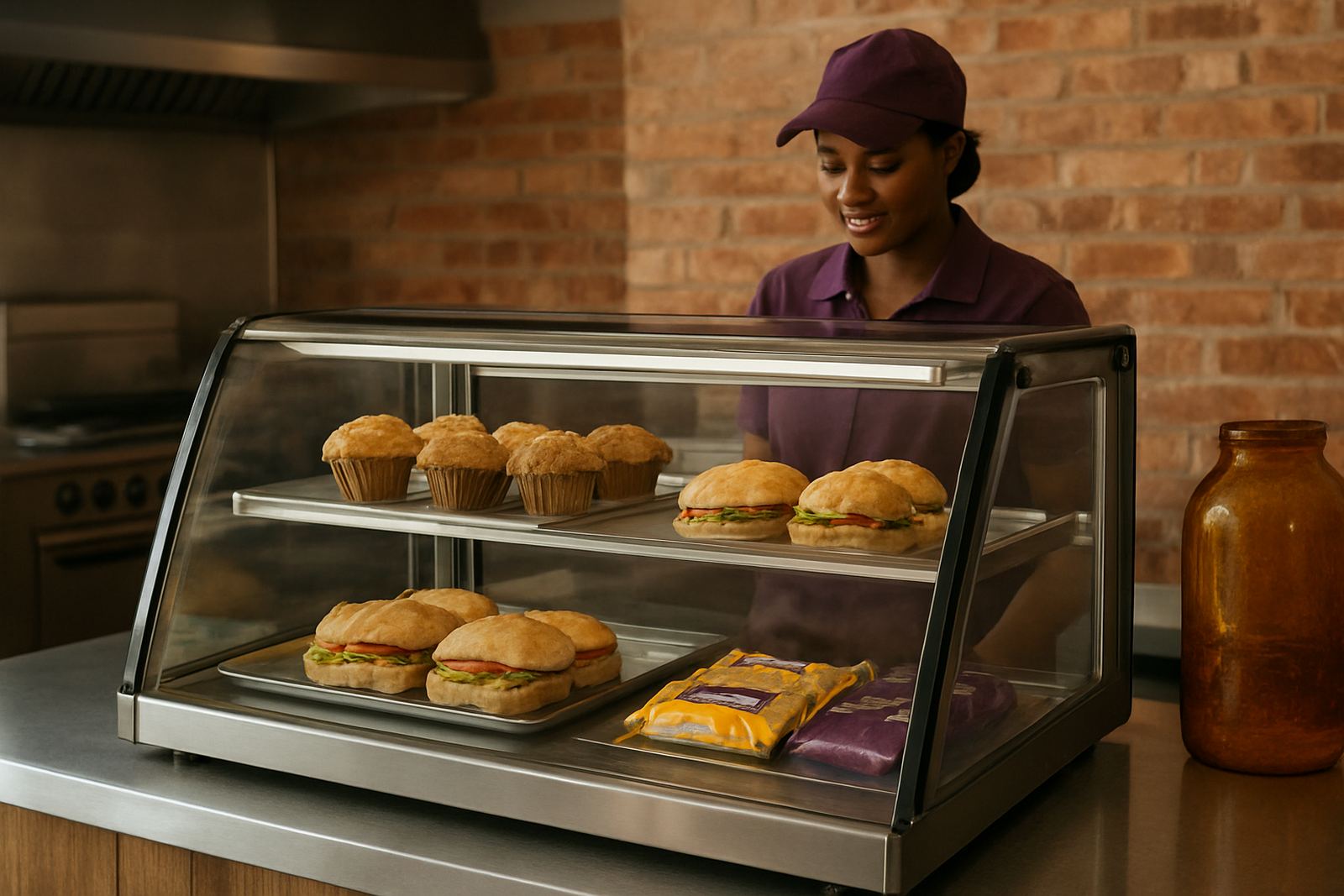
An ambient display counter is a non-refrigerated serving unit made to present food at room temperature in a tidy, controlled way. It is commonly used for rolls, muffins, savouries, sealed snacks, confectionery and dry goods, especially where staff need quick access and customers need a clear view of the product. In busy shops around Benoni, Boksburg and Germiston, that clear view matters because it keeps service moving and helps stock look organised right through trading hours.
Our units are built for practical use, not showroom only use. Stainless steel frames, strong shelf support and neat glazing options give you a counter that can handle repeated opening, cleaning and daily traffic. If your site sees load-shedding, the benefit is simple: your ambient display still does its job without needing refrigeration or gas, so there is less to worry about when power goes off.
Sizes, glazing and layout options that fit your floor space
These counters are made in common lengths to suit small takeaways or longer serving runs. The most requested sizes are 900 mm, 1200 mm, 1500 mm and 1800 mm long, with custom lengths available for larger front-of-house spaces or narrow shopfronts. Depth is usually planned between 600 mm and 900 mm depending on how much display area and working space you need behind the counter.
- Single-level top for packaged items and dry snacks
- Tiered display for better sight lines on smaller products
- Fixed glass or sliding access panels
- Open rear for staff service or enclosed rear with access doors
- Optional under-shelf for spare packaging or serving trays
For town centres and mall kiosks in Kempton Park or Springs, a slimmer footprint often works best. For bakeries and deli counters with higher volume, a deeper unit gives staff more room to sort stock and keep the front neat. We can also adjust shelf spacing so your items are not crushed or hidden from view.
Where the counter suits best in the East Rand
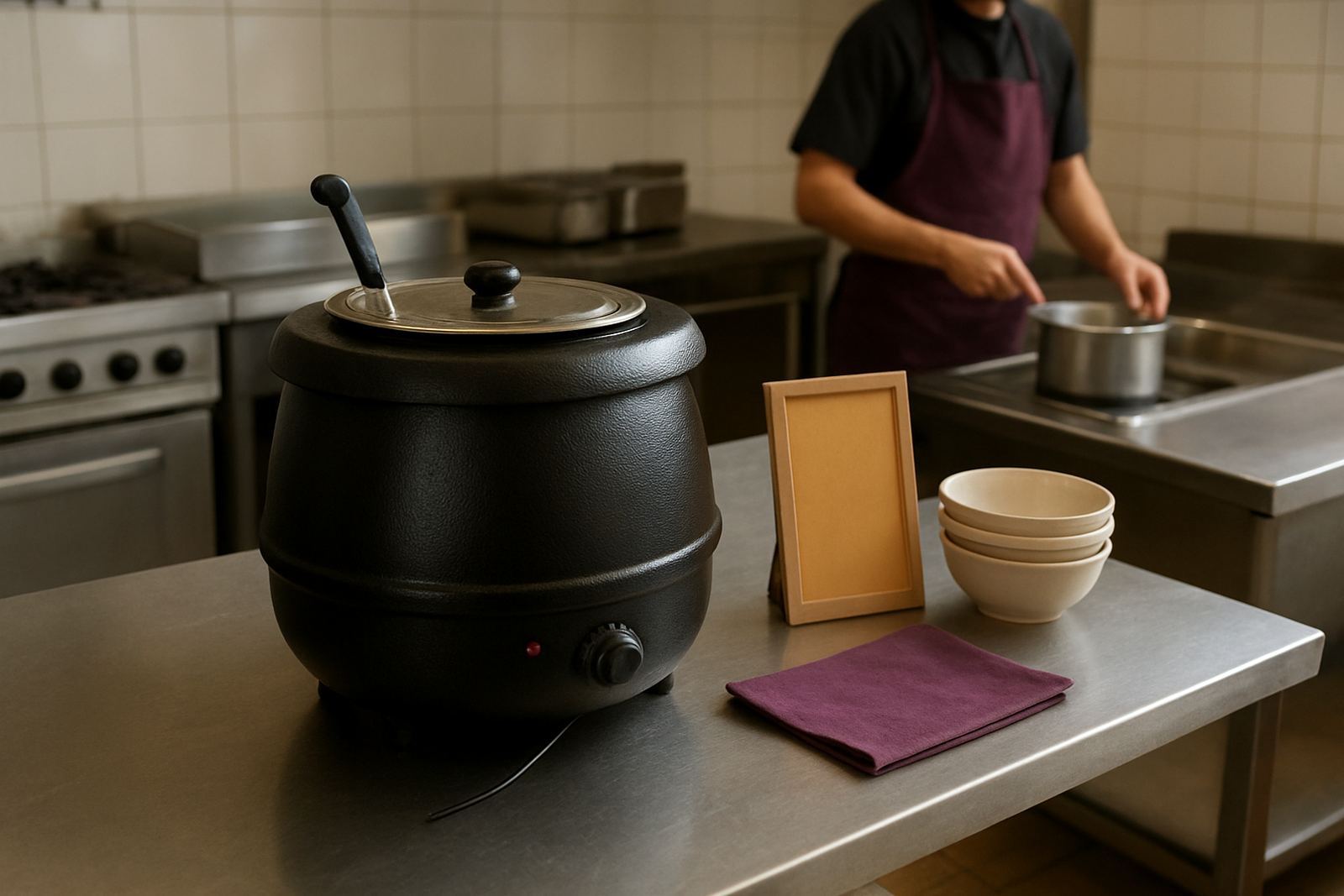
This type of counter is used in bakeries, cafés, school canteens, forecourt shops, takeaways, tuck shops and small grocers. It is a good fit where food is already prepared and only needs display, holding and clean presentation. If you sell hot food separately, an ambient unit can sit beside a bain-marie or service counter without causing confusion for staff or customers.
In coastal or humid conditions the stainless surfaces are useful because they are easier to keep clean and less prone to surface rust than mild steel. Around the East Rand, where kitchens often deal with dust from deliveries and busy foot traffic, enclosed display also helps keep goods cleaner during the day. For municipal compliance, the layout should allow easy cleaning around the base and behind the unit, with no awkward dirt traps under the counter.
- Bakeries and pastry shops
- Takeaways and snack counters
- Supermarkets and food shops
- School and canteen serving points
- Retail food displays at forecourts and kiosks
Installation needs and service points to plan for
Most ambient display counters are straightforward to install because they do not require gas connection or refrigeration plumbing. The main job is to make sure the floor is level, the unit fits the opening, and the service side has enough working room for staff. If the counter includes lighting, a point for electricity should be planned in advance and kept neat and accessible for maintenance.
We recommend site measuring before fabrication on custom work, especially where the opening is tight or you are matching an existing servery. That avoids site adjustments later, which can slow down the fit and sometimes adds avoidable cost. A clear measurement visit also helps when you need the counter to line up with a wall cladding return, extractor canopy edge or existing payment point.
- Level floor or shimmed base for uneven tiles
- Power only if lights or heated accessories are added
- No gas required for standard ambient use
- Enough rear access for serving and cleaning
- Clear opening height if the unit must pass through a door or gate
Care, cleaning and long-term servicing
Daily care is simple: wipe food areas with a food-safe cleaner, dry the steel after washing and keep the glass free of fingerprints and syrup build-up. A soft cloth and non-abrasive cleaner are enough for most jobs. Do not use harsh scourers on stainless finishes because they can leave scratches and make the surface harder to keep neat.
If your display counter has moving parts such as sliding panels, hinges or lockable access doors, those should be checked regularly so they do not stick under heavy use. In busy trade, especially where staff are changing over shifts, loose fittings can be missed until they cause a problem. A quick monthly check is usually enough to keep the unit in good condition and avoid downtime.
What to check before you place an order
Before ordering, decide what you are displaying, how often staff will refill stock and whether customers will view from one side or both. Also check the size of packaged goods, the height of the opening and how much stock you want on show at once. If you are working from a busy Benoni or Boksburg site, it is worth confirming the footprint against your current queue flow so the counter does not block movement.
- Overall length, depth and working height
- Type of access: open, sliding or hinged
- Glass style and visibility needs
- Number of shelves or display tiers
- Whether lighting or under-counter storage is needed
- Exact site measurements and delivery access
For custom work, share photos, rough dimensions and the product type you sell most often. That helps us build a counter that suits the way your team actually works, not just the drawing on paper.
Key facts
| Product type | Ambient display counter for room-temperature food service |
|---|---|
| Typical lengths | 900 mm, 1200 mm, 1500 mm, 1800 mm, custom made |
| Typical depth | 600 mm to 900 mm depending on layout |
| Construction | Stainless steel frame with display glazing options |
| Power requirement | None for standard unit, optional power for lighting |
| Best use | Baked goods, packaged items, confectionery and dry foods |