Fast Service Starts With The Right Counter Layout
A takeaway shop lives or dies on how quickly staff can assemble orders, hand them over and reset for the next ticket. In Benoni, Boksburg, Brakpan and the rest of the East Rand we usually see small kitchens where every metre has to work hard, with a front counter, hot zone and cold prep area all fitting into a tight footprint.
The first step is a proper site measure. That shows where your power points, gas lines, drains, service hatch and customer queue really sit. If the pass is too narrow, staff start bumping into each other. If the prep area is too far from the fryers or range, orders slow down and heat travels through the room. A takeaway shop should feel simple to operate, not busy for the sake of it.
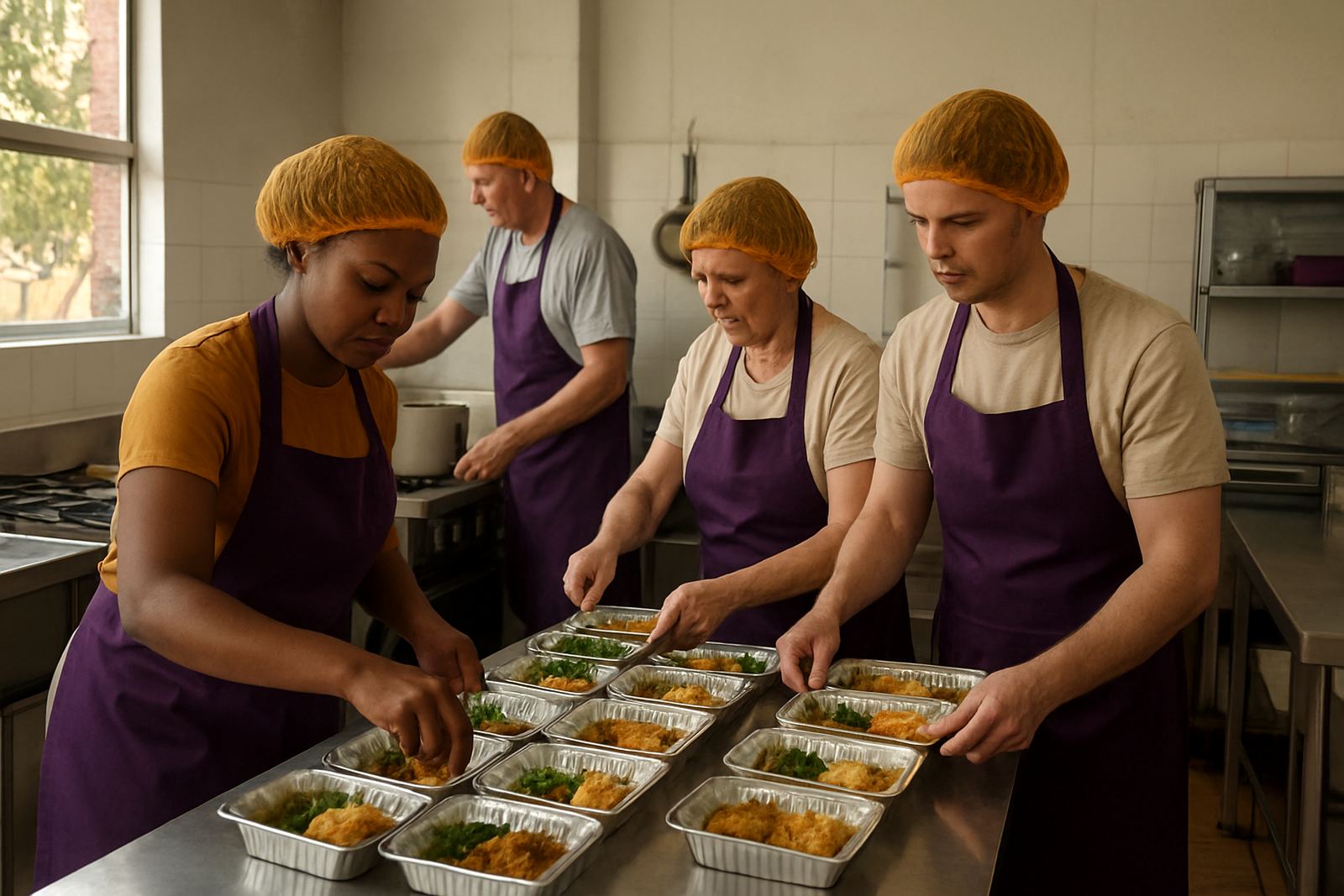
For owners starting from scratch or reworking an existing shop, we often plan the line from raw prep to packing and collection. That means a stainless prep table near the sink, hot equipment grouped under extraction, and a clear landing area for completed orders. It sounds basic, but getting those distances right saves time every single service.
Typical Equipment For High-Turnover Takeaways
The right kit depends on what you sell, but most takeaway shops need a similar core setup. Stainless is the usual choice because it handles cleaning, heat and daily wear better than painted mild steel. It also copes better in humid coastal deliveries and busy kitchens where moisture sits in the air for hours.
- Stainless prep tables with undershelves or splashbacks
- Gas ranges for grills, sauces and frying support
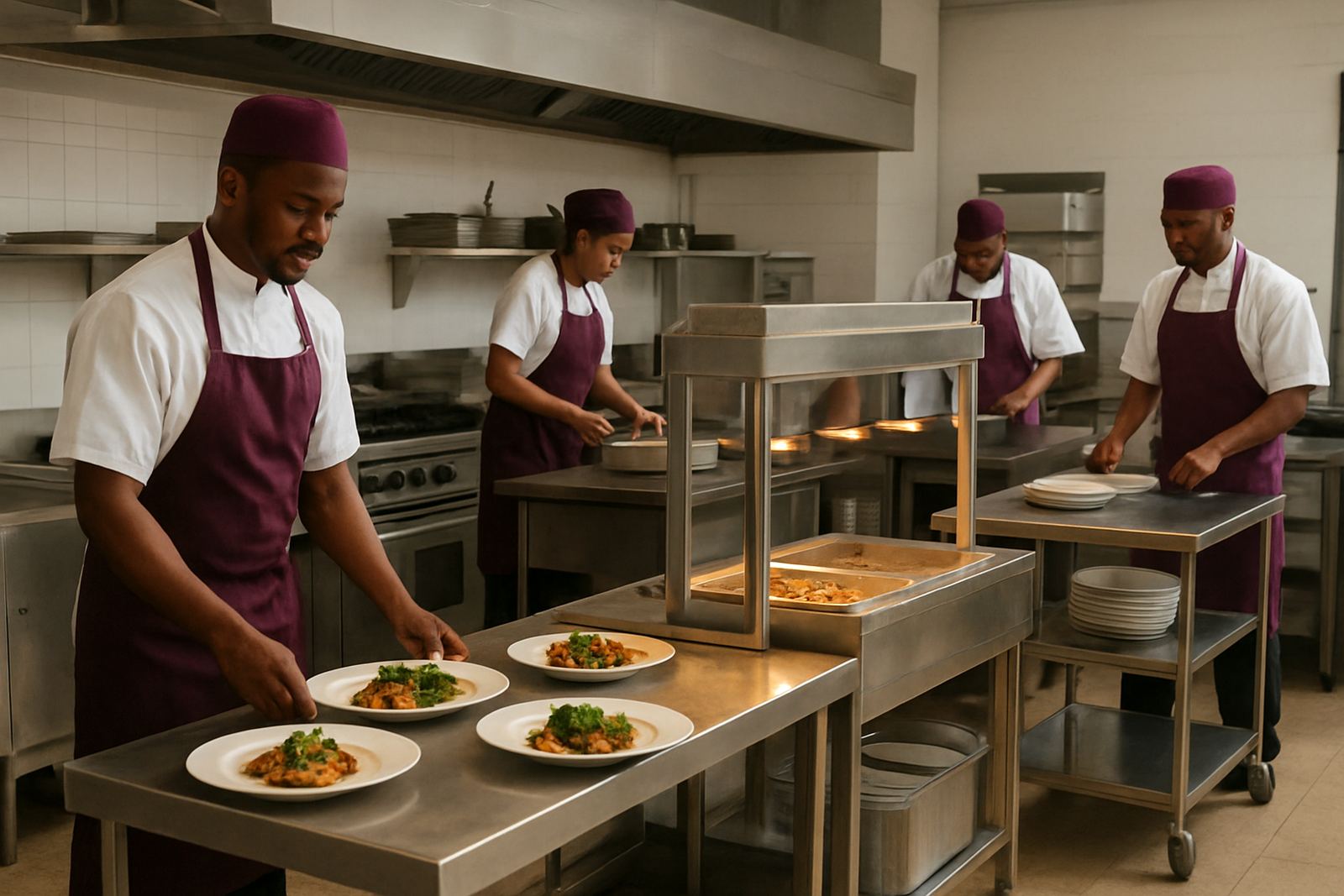
- Bain-maries for hot holding and steady serving
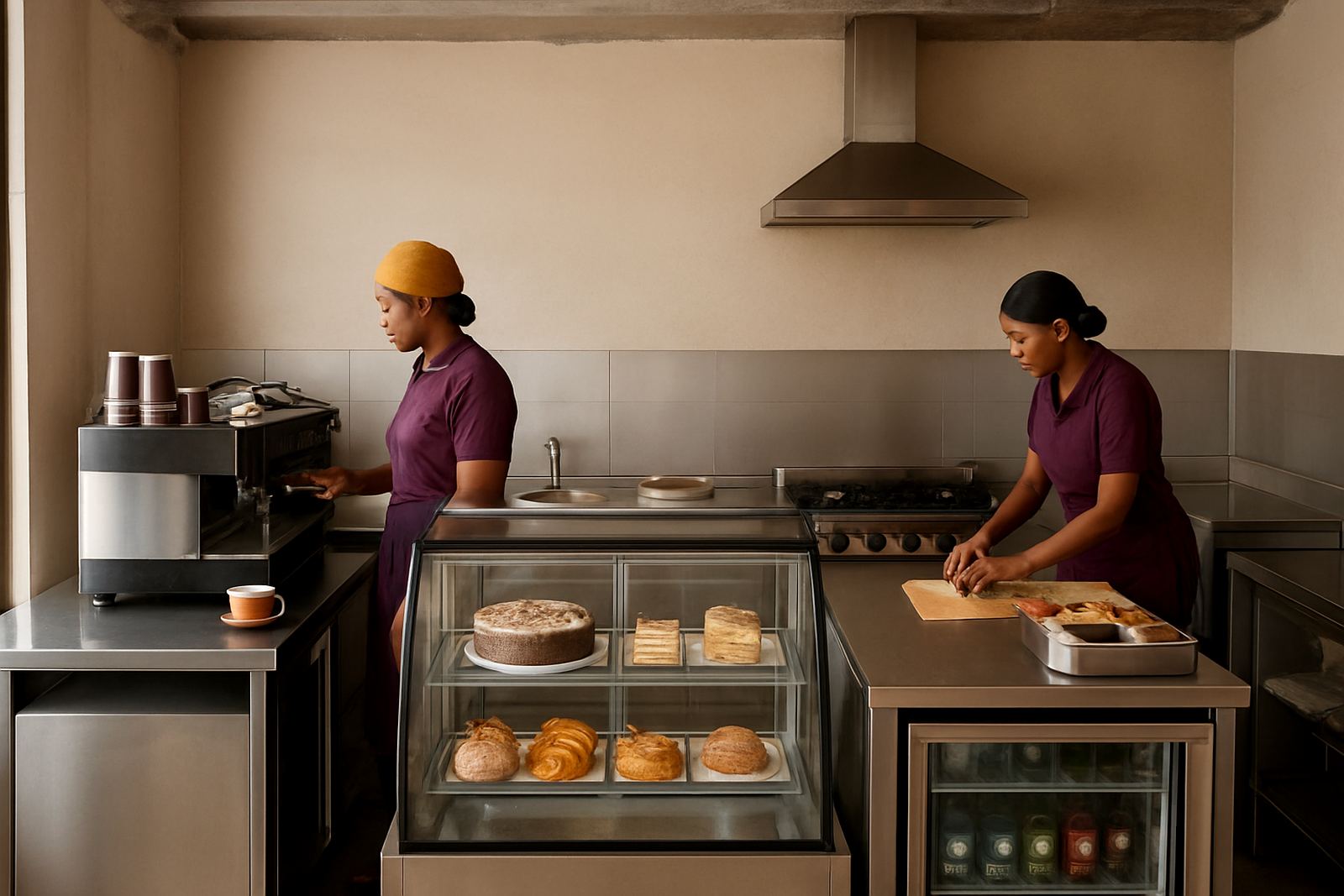
- Display units for chips, pies, rotis or packaged meals
- Custom sinks for wash-up and hand hygiene stations
- Mobile trolleys for trays, crates and refill runs
- Extractor canopies sized to the cooking line
Where menu volume is high, we also add counter modifications and display unit bases so the front of house can handle tongs, wraps, sauces and cash-up without clutter. If the takeaway serves chilled items, the prep counter and serving line need to be separated from heat sources, otherwise the workflow becomes messy and food quality slips.
Planning The Shop Around Power, Gas And Cleaning
Takeaway shops in South Africa have to work around load-shedding, local building rules and the realities of shared retail spaces. If the site has limited electricity, gas cooking and hot holding become even more important. We look at what can run on gas, what must stay on mains power, and how to keep the operation moving when the power cuts out mid-service.
Ventilation matters too. A canopy that is too small causes heat to hang in the room and can lead to smoke staining on walls and ceiling panels. In some centres and municipal areas, extraction and fire clearance must be checked before fitting equipment. That is why site measuring comes before fabrication, not after. It avoids rework and stops the shop opening with kit that does not pass inspection.
Water and drainage also need proper thought. Custom sinks should be placed where staff can wash hands quickly, not tucked into a corner behind storage. If the shop produces a lot of rinse water or has a small scullery, a deeper sink and better splash control save time. Small details like these make service faster, and they keep the back area cleaner through the day.
Common Mistakes That Slow Down Sales
Many takeaway owners buy equipment in pieces, then try to fit it into the shop later. That usually leads to wasted space, awkward power points and a counter that looks full but works badly. Another common problem is choosing display units that look neat but do not hold enough stock for peak periods, so staff have to restock every few minutes.
- Buying too much equipment before the menu is final
- Leaving no space for queue flow and handover
- Putting hot units too close to cold prep areas
- Skipping extractor planning until after installation
- Using storage that blocks cleaning access under counters
- Forgetting about service access for repairs and maintenance
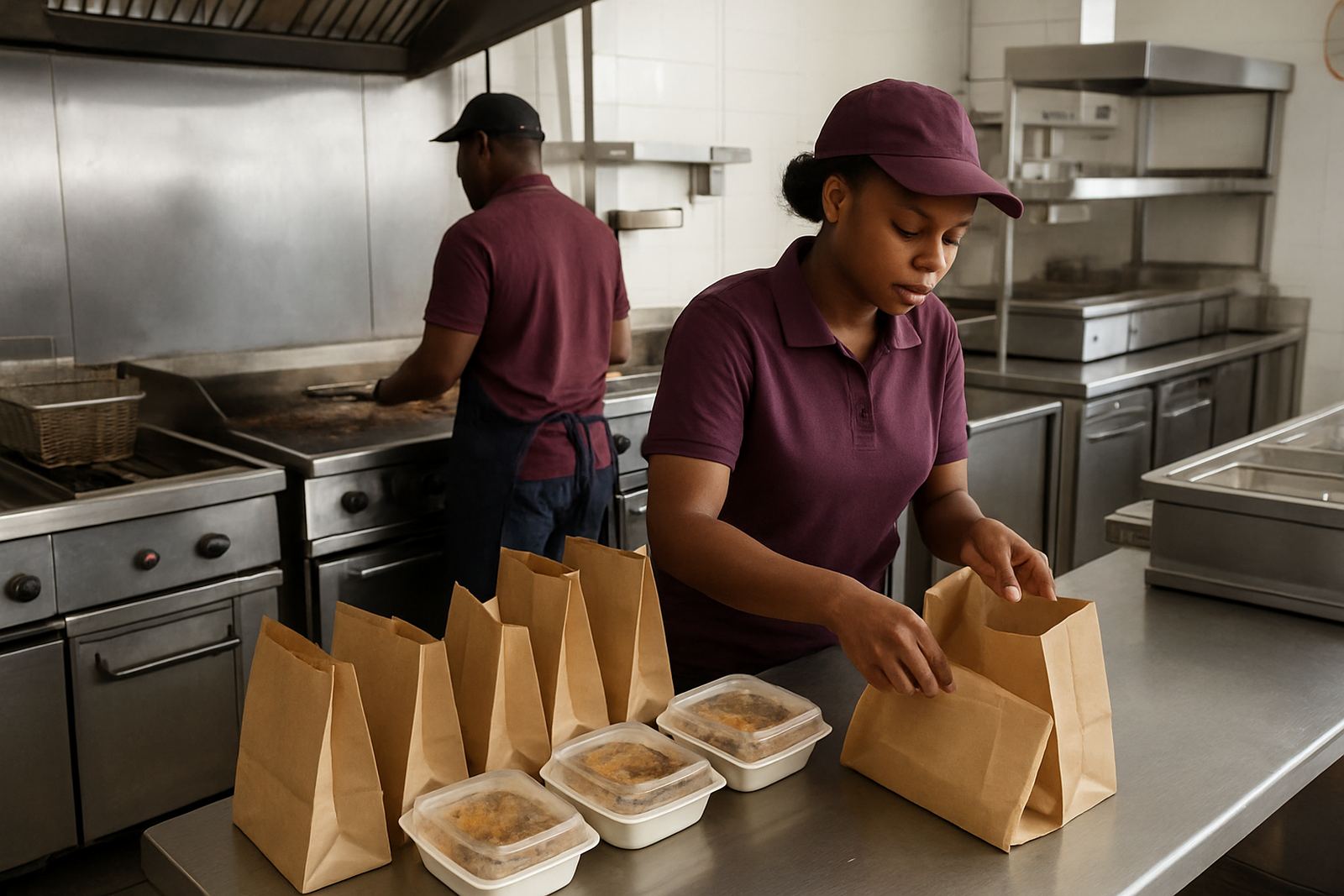
A good takeaway layout should let one person prep while another packs and a third handles the till, if needed. When that is not possible, the kitchen needs tighter zoning. We often see small shops in Germiston and Kempton Park that could save 10 to 15 minutes per busy hour simply by shifting a table, widening a pass or replacing a bulky unit with a better sized stainless counter.
Budget Ranges For Takeaway Fit-Outs
Budget depends on size, menu and whether you are fitting out a brand new site or upgrading a trading shop. For a basic takeaway setup with a few essential stainless items, owners often plan from about R45,000 to R85,000. That may cover prep tables, a custom sink, a small hot holding area and some counter changes.
Mid-range fit-outs, where the kitchen needs a gas range, extractor canopy, stronger serving counters and more storage, often land between R90,000 and R180,000. Larger shops with multiple cooking stations, display units and custom fabrication can go beyond that, especially if the shop needs structural changes, extra plumbing or extensive stainless recladding.
The most practical way to spend is to start with the items that affect service speed and food safety, then add the rest in stages. A shop that opens with the right work surfaces and hot holding can trade well while it adds shelving, trolleys or front-of-house extras later. That approach suits many small businesses in Benoni and the East Rand where cash flow needs to stay controlled.
What We Build For East Rand Takeaway Shops
CaterKraft works with takeaway owners who need equipment built for daily use, not showroom handling. Our Benoni base supports nearby clients in Boksburg, Brakpan, Springs, Kempton Park and Germiston, and we deliver nationally when the project needs it. We fabricate to size so the equipment fits the room, the service line and the actual menu workflow.
Our team includes Lerato Khumalo, Ayesha Naidoo, Pieter van der Merwe, Sibusiso Dlamini and Megan Jacobs, so from first enquiry through to after-sales support there is someone who knows the job. We can assist with custom prep tables, custom sinks, servery counters, extractor canopies, shelving and racking, counter modifications, stainless recladding, mobile trolleys, display unit bases and site measuring. The aim is simple: make the shop easier to run, easier to clean and better prepared for busy trading days.
If you are opening a new takeaway or fixing a shop that is already trading, we can help you plan around your menu, your space and your budget. A small change in layout can make a big difference when the lunch crowd hits.