What church kitchens usually need to cope with
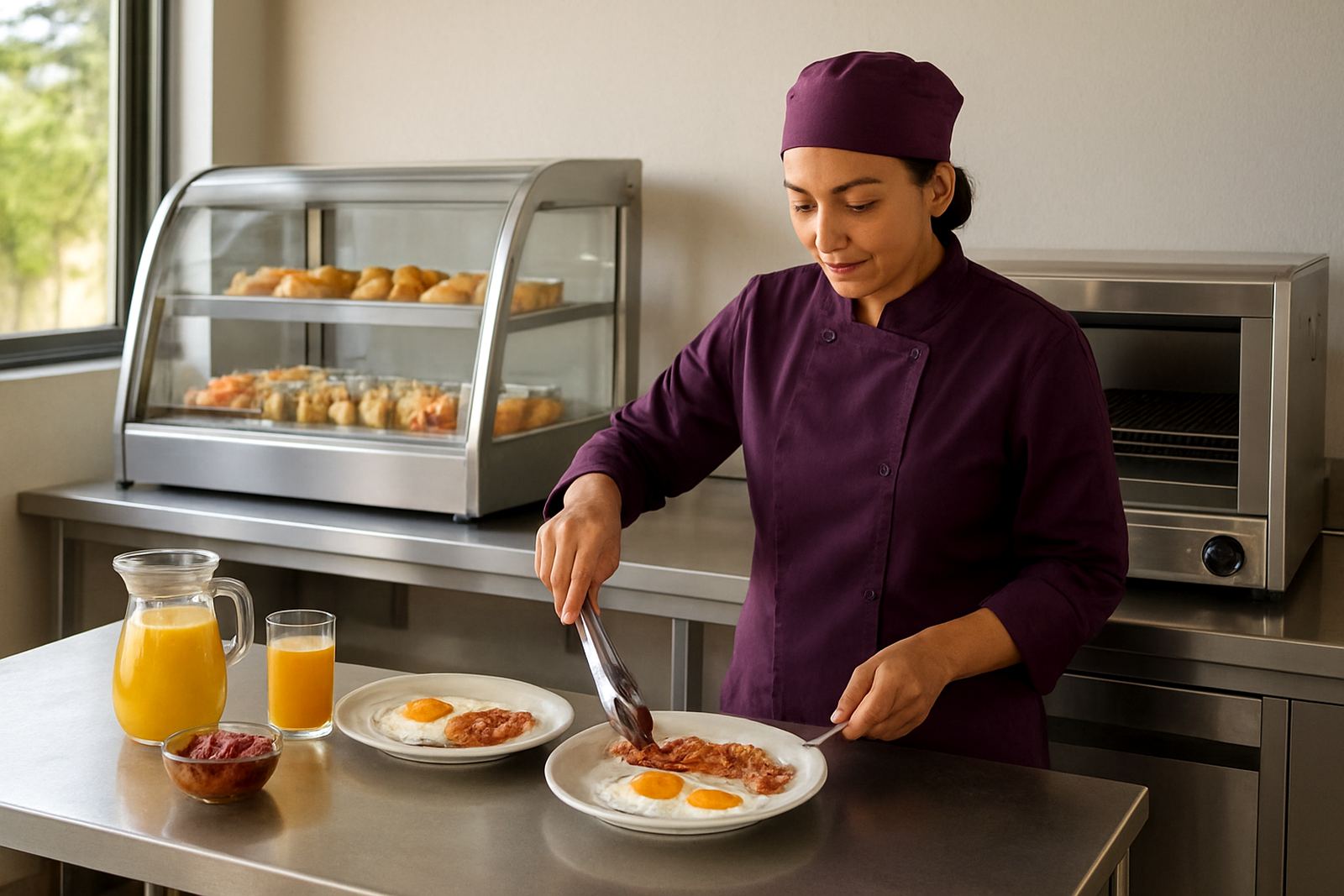
A church kitchen is rarely used the same way every day. One week it is tea and sandwiches for a ladies group, then a large curry lunch, then packed meals for a outreach event, so the equipment must be easy to clean, simple to use and built for repeated heat cycles.
We usually see smaller chapels needing a basic service point, while larger congregations need a proper production area with washing, prep, hot holding and a serving line. In Benoni and nearby areas, power cuts also matter. A kitchen that can still work during load-shedding, or recover quickly after it, saves a lot of stress for volunteers.
- Durable stainless work areas for dough, salads and plating
- Gas cooking where backup power is limited
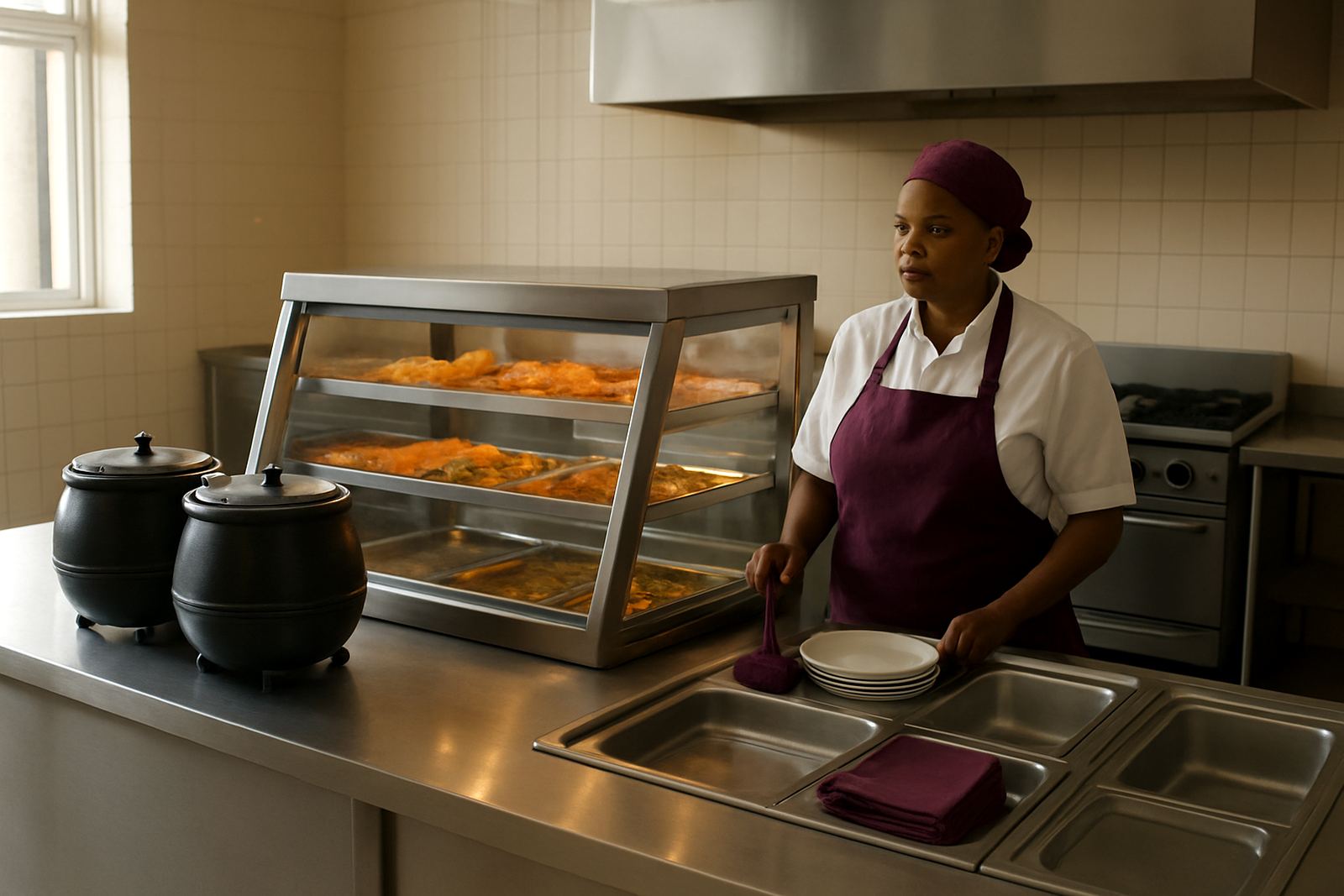
- Hot holding for soups, rice, stews and gravies
- Clear flow from prep to cook to serve to wash-up
Typical equipment for a church kitchen setup
The right set-up depends on attendance numbers and how often the kitchen is used. For many church halls, a mix of prep tables, gas ranges, sinks and servery counters gives the best balance between cost and output. If the kitchen also feeds bazaars or holiday programmes, mobile trolleys and display units help move food safely without overcrowding the prep area.
- Stainless prep tables in 1.2 m, 1.5 m or 1.8 m lengths
- Single or double sinks with splash backs
- Gas ranges for bulk cooking and frying
- Bain-maries for keeping food hot during serving
- Extractor canopies to manage steam, smoke and grease
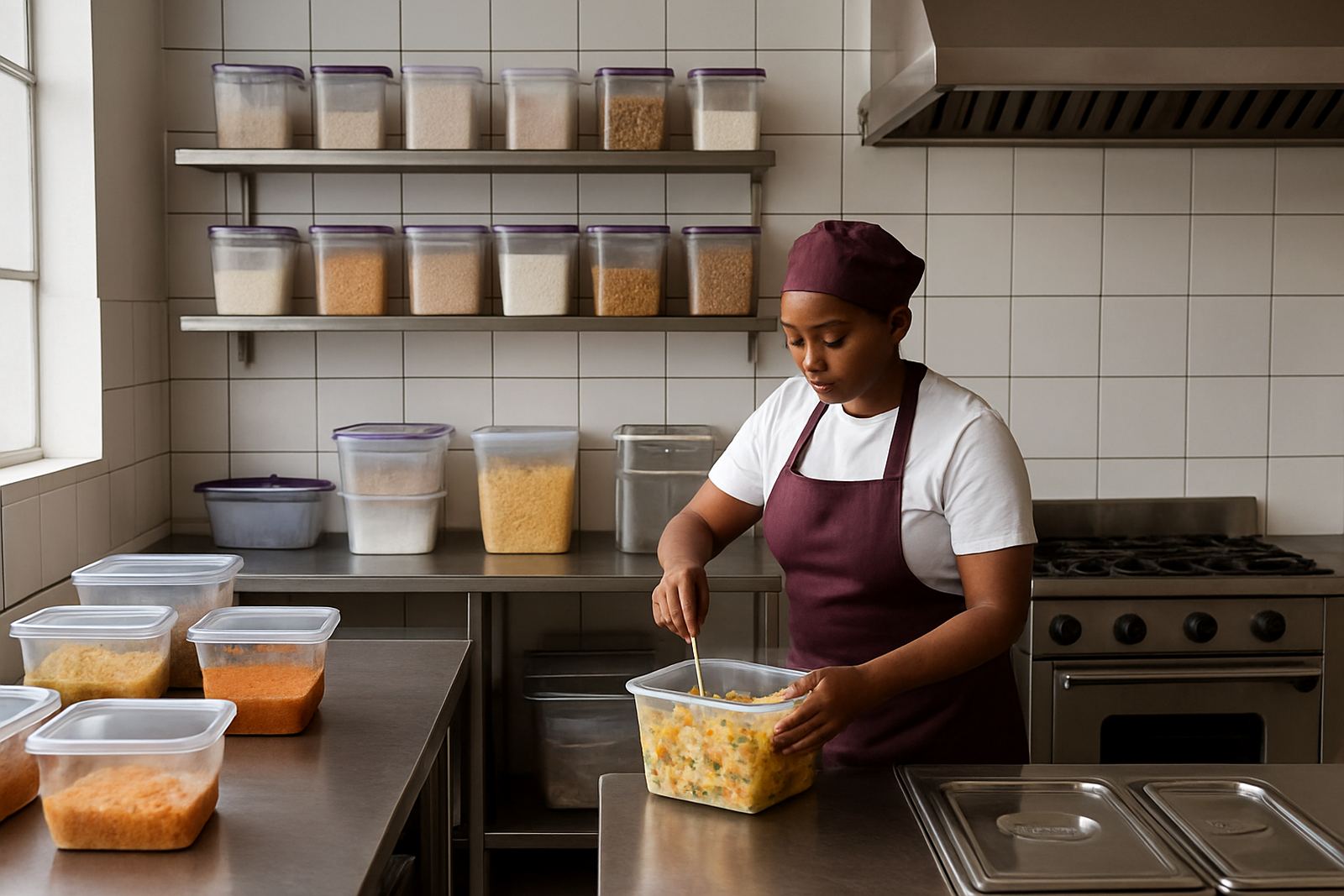
- Shelving and racking for dry goods, plates and pots
- Mobile trolleys for moving trays between rooms
Where a church serves meals to large groups, we can also build counter modifications and display unit bases so the serving side looks neat and works better for volunteers. Stainless recladding is useful when an old counter body is sound but the top surface has become worn or stained.
Layout advice for shared volunteer kitchens
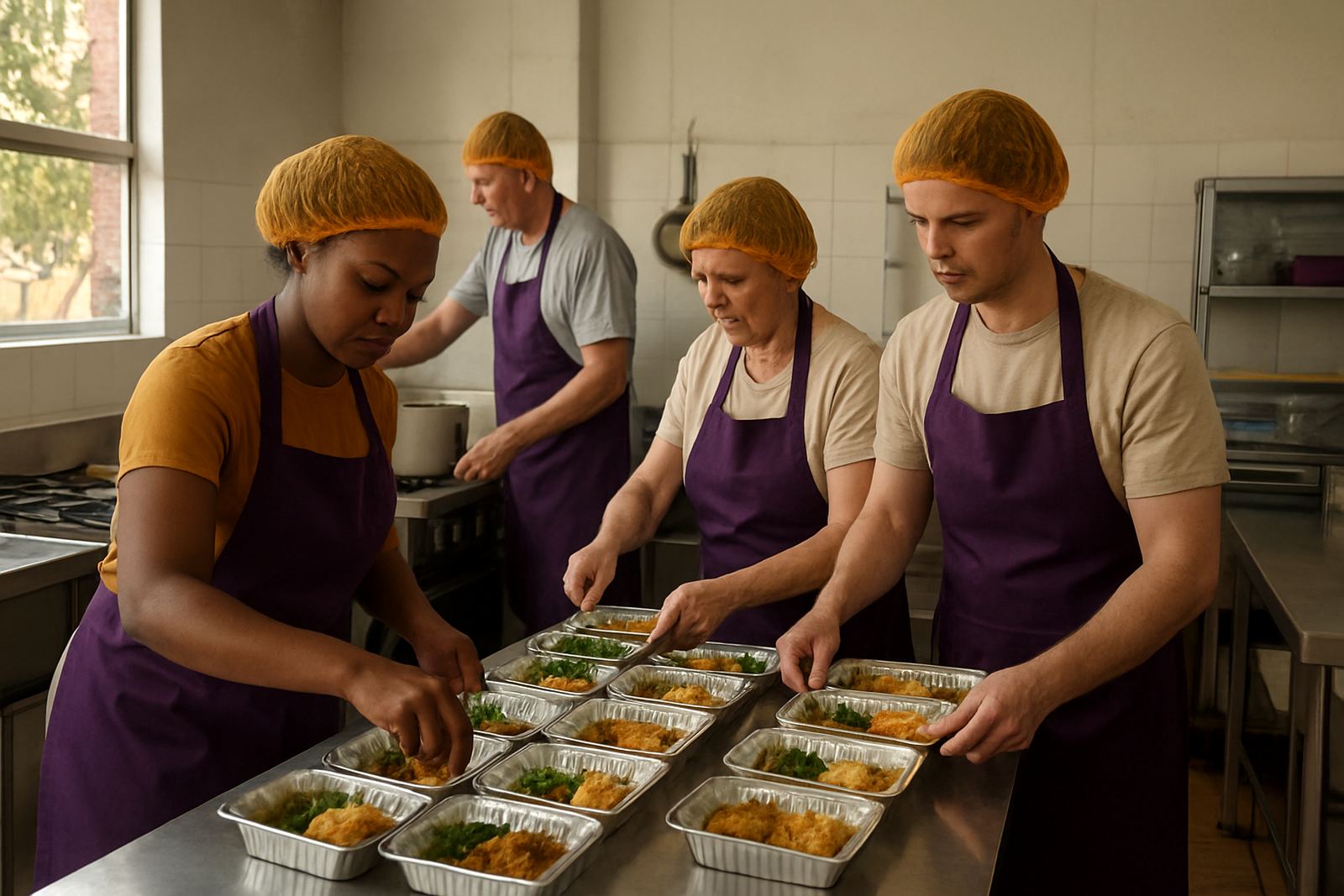
A shared kitchen needs a layout that reduces bottlenecks. People should not have to cross paths with hot pans, washing-up buckets and food that is ready to go out. A simple straight line or L-shaped layout often works best in church halls because it keeps the process easy to learn for new volunteers.
We normally recommend measuring the room first, then planning around doors, windows, gas bottle positions and drain points. On some sites the serving hatch is too high or too narrow, which slows service and causes spills. Site measuring helps avoid those problems before anything is fabricated.
- Keep raw food prep away from the wash area
- Place the hot holding point near the serving side
- Leave enough passage space for two people to pass safely
- Make sure the extractor path is short and practical
Common mistakes we see in church kitchen projects
One of the biggest mistakes is buying equipment piece by piece with no plan. The kitchen ends up with a table that blocks a sink, a cooker that sits too close to a wall and storage that cannot take full crates. It costs more to fix later than to plan it properly from the start.
Another common issue is choosing fittings that look neat but are too light for regular use. Church kitchens often get volunteers of different ages and experience levels, so the equipment must be forgiving and easy to wipe down. Rust-prone fittings and weak hinges are a problem, especially in humid coastal conditions or where the kitchen is not fully enclosed.
- Undersizing prep tables for event day volumes
- Skipping extractor canopies over gas cooking areas
- Using too few sinks for wash-up and handwashing
- Forgetting storage for urns, trays and dry stock
- Buying display units before the serving flow is settled
Budget ranges for church kitchens in Rand
Budget depends on size, cooking method and whether the church wants a basic serving kitchen or a full production space. A simple upgrade for tea and light meals may start around R35 000 to R70 000. A mid-size kitchen with stainless prep tables, sinks, shelving and a gas range often sits in the R80 000 to R180 000 range.
For larger halls, feeding programmes or event kitchens, budgets can move from R200 000 upwards once extractor canopies, bain-maries, custom counters and site changes are included. If the kitchen needs special counter heights, stainless recladding or mobile service points, we price those to fit the actual room rather than forcing a standard pack. That usually gives better value and less waste.
It also helps to phase the work. Many churches start with the critical items first, then add serving counters, storage and finishing pieces later as funds allow. This keeps the kitchen useable while the project grows.
How CaterKraft handles church kitchen projects
We work from Benoni on the East Rand and deliver nationally, which suits churches that need a practical supplier rather than a one-size-fits-all box drop. Our team includes fabrication, service and support staff who understand that a church kitchen must work for ordinary people, not only trained cooks.
Lerato Khumalo oversees the business, with Ayesha Naidoo handling sales, Pieter van der Merwe on fabrication and Sibusiso Dlamini on service support. For church work, that means one person can help with site measuring, another can confirm the equipment mix, and the workshop can build to the plan without confusion. If your congregation is in Benoni, Boksburg, Brakpan, Springs, Kempton Park or Germiston, we can work from your room layout and equipment list before fabrication starts. For busy sites with load-shedding or high foot traffic, that early planning saves time and helps the kitchen stay practical from day one.