Canopies built around your cooking line
Our extractor canopies are made for the way food businesses actually work in Benoni, Boksburg, Brakpan, Springs, Kempton Park and Germiston. Whether the site is a takeaway with a compact fryer line or a larger kitchen with gas ranges, grills and bain-maries, we size the canopy to catch steam, heat, smoke and grease where it rises. That means better working conditions for staff and less residue settling on walls, ceilings and equipment.
We fabricate each canopy to fit the equipment under it, not the other way around. Standard options are available, but most projects need a measured solution because ceiling heights, wall positions, beam locations and duct routes vary from site to site. In older shops and converted premises, that planning matters just as much as the sheet metal itself.
Our canopies are suited to day-to-day commercial use, including load-shedding conditions where cooking schedules change and power backup systems can affect heat build-up. A properly positioned extractor canopy helps keep the kitchen manageable when the line is busy and the air gets heavy.
What is included in the fabrication and fit-out
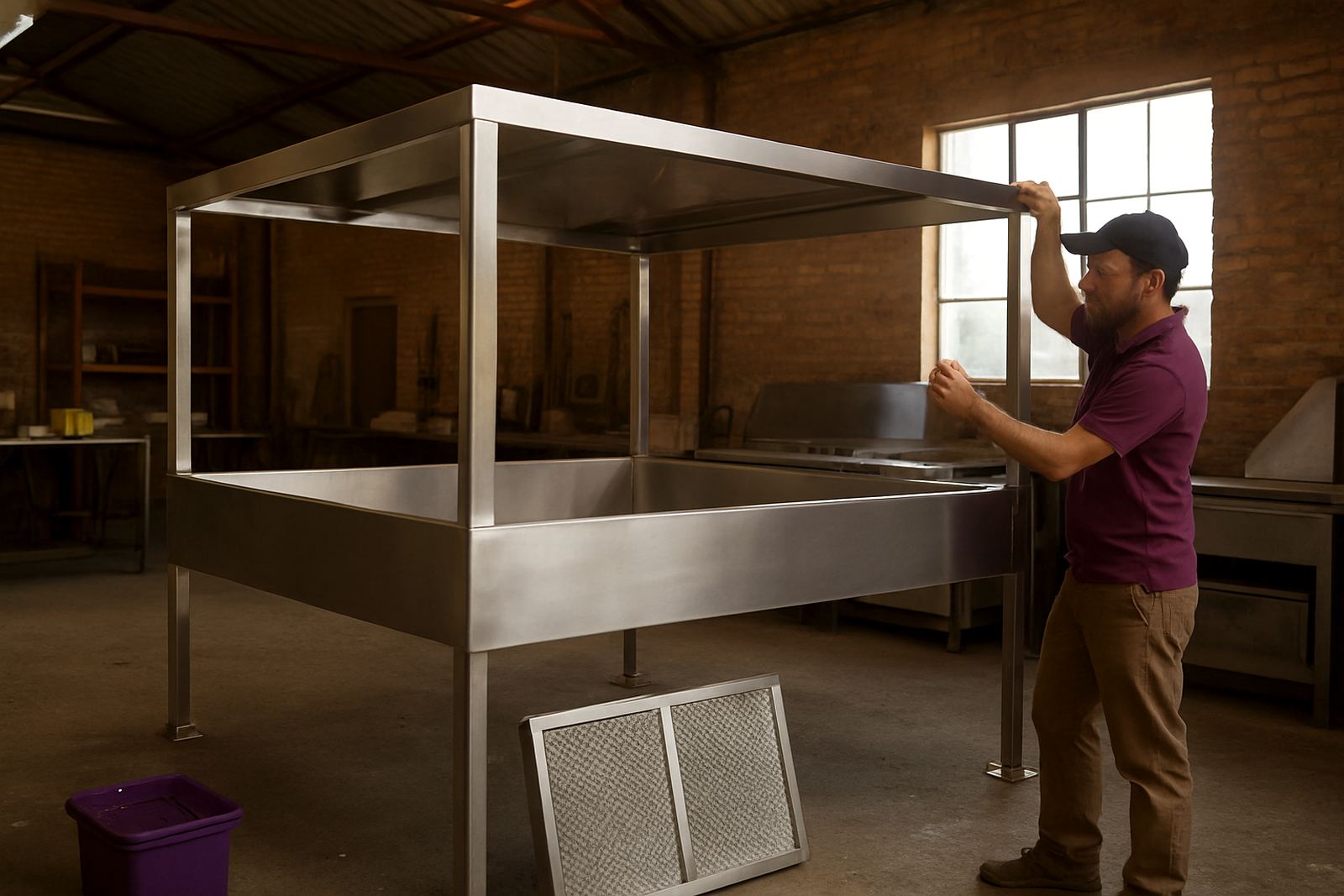
Extractor canopy work from CaterKraft includes the canopy shell, grease management details, mounting points and practical preparation for duct connection. We also handle counter to canopy alignment where the cooking line needs a cleaner finish or where a new extractor must tie in with existing stainless work. If the site needs related metalwork, we can coordinate with counter modifications, stainless recladding, or a new servery arrangement at the same time.
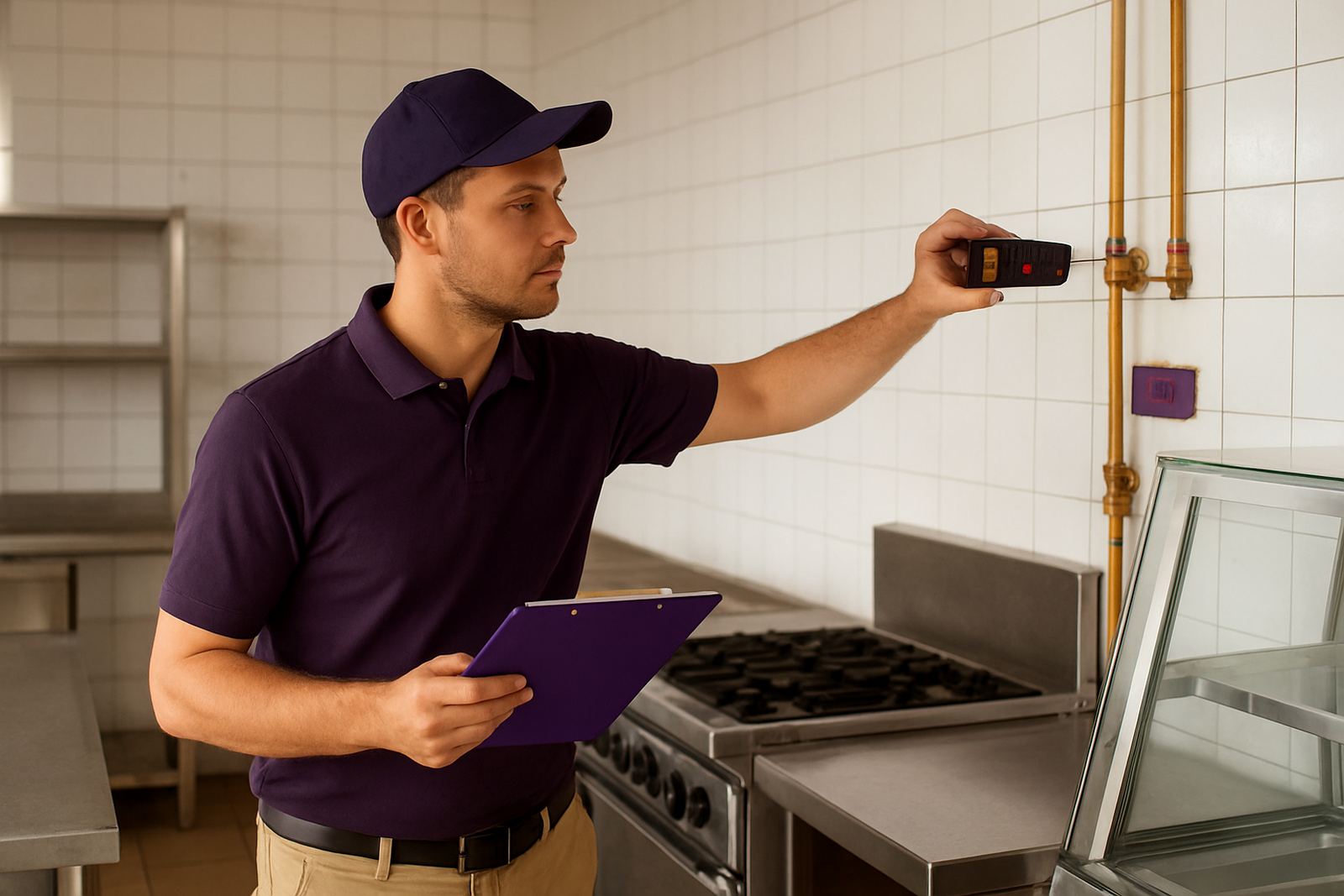
- Site measuring and checking of ceiling height, wall space and appliance positions
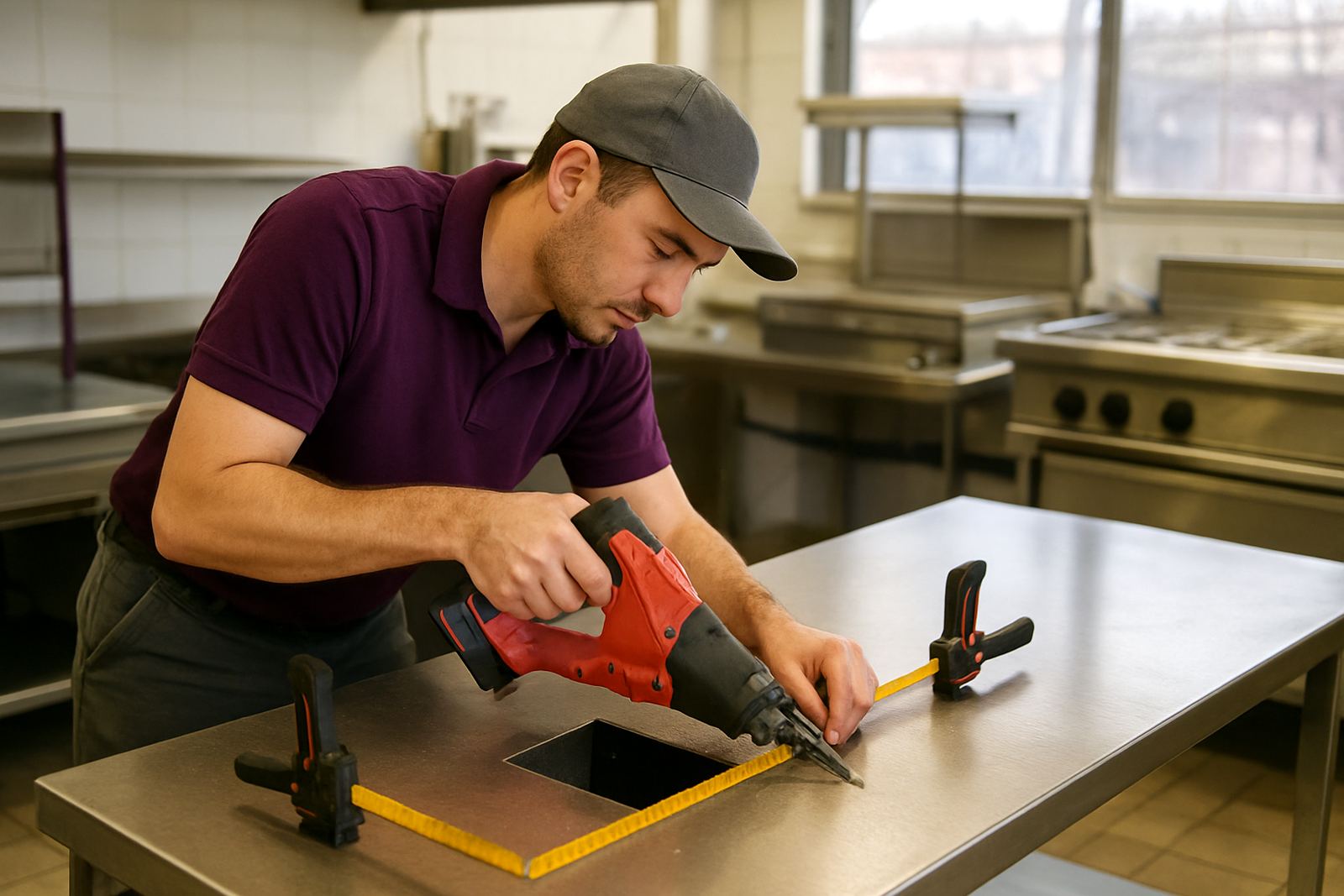
- Stainless steel fabrication to suit the cooking line and room size
- Grease capture design with removable sections for cleaning access
- Ducting interface preparation for straight runs or offset routes
- Mounting and support planning for concrete, steel or mixed structures
- Coordination with nearby stainless finishes so the install looks tidy and is easy to maintain
We do not treat canopies as a stand-alone item with no context. A good extraction solution needs to sit properly above the hot line, leave enough working headroom, and allow staff to move safely beneath it. That practical balance is what we aim for on every project.
Materials and dimensions that hold up in busy kitchens
For most extractor canopy jobs we use stainless steel suited to commercial kitchens, with thickness selected according to the size of the canopy and the level of use expected. Common builds include 1,200 mm deep canopies for hot lines, although smaller or deeper units can be made where the appliance layout demands it. Width is set by the line below, with allowance for overhang so steam and vapour are captured properly rather than escaping at the edges.
We can fabricate wall-mounted canopies, island canopies and canopy sections that work with a boxed duct route. Corner conditions, low ceilings and existing beams need a measured approach, especially in older buildings around the East Rand where the roof structure may not follow a neat grid. In coastal humidity, even though Benoni is inland, the point still stands for clients moving equipment nationally: stainless finish and cleaning habits affect service life more than most people expect.
Drainage to grease management points, smooth weld finishing and correct support spacing all help the canopy last longer. When the canopy is used over fryers or charcoal style heat sources, we often recommend a more careful layout with service access in mind, because cleaning is easier when parts can be reached without taking half the kitchen apart.
Our process from measure-up to handover
We keep the process direct. First comes site measuring, then we confirm the canopy size, duct route and any changes needed around the cooking line. If the kitchen is still being fitted out, we can work from drawings and then verify the final positions on site before fabrication starts. That step saves time and reduces the chance of a canopy arriving on site and not matching the room, which happens more often than people like to admit.
- Initial enquiry and discussion of equipment, room size and cooking load
- Site measuring in Benoni or a national check where required
- Fabrication drawing and size confirmation
- Workshop fabrication and finish preparation
- Delivery, installation and final alignment on site
- Handover with cleaning and maintenance guidance
For projects in working kitchens, we plan the install around trading hours where possible. Many takeaways and small restaurants cannot afford long interruptions, so we try to limit downtime and keep the changeover practical. If the site is under municipal inspection pressure, we can also help with the neat, traceable installation details that make compliance easier to discuss with the relevant officials.
Turnaround times and pricing approach
Turnaround depends on canopy size, metal finish, complexity of the duct connection and whether the work is part of a full kitchen fit-out. A simple single section canopy can often move quicker than a large island unit with multiple joins and support requirements. For most standard extractor canopy jobs, clients should allow time for measuring, fabrication and scheduling the installation properly rather than pushing for a rushed fit that causes problems later.
Our pricing is based on actual size, material choice, labour and site conditions. A straight wall canopy for a compact takeaway will cost less than a wide unit with extra bends, access panels and structural supports. Where possible, we quote from site measurements rather than guesswork, because a few extra millimetres or an awkward duct route can change the cost in a real way.
We keep pricing clear. If there are added works such as counter adjustments, stainless sheeting or support frame changes, these are discussed before fabrication begins. No one wants surprises after the canopy is already on the truck.
Cleaning, service intervals and long-term care
Extractor canopies work best when they are cleaned regularly. In busy kitchens we usually suggest weekly wipe-downs of accessible surfaces and more thorough degreasing at set intervals depending on volume. Heavy fry or grill operations may need attention more often, while lower-volume prep kitchens can usually manage with a lighter schedule. The key is not letting grease build up until it becomes a fire risk or starts dripping back into the work area.
Filters, grease trays and accessible joints should be checked on a routine basis. If the canopy is installed above a line that runs daily, a monthly inspection is sensible, with a more detailed service every three to six months depending on use. In humid or salty environments, or where cleaning chemicals are used strongly, stainless surfaces should be rinsed and dried properly to prevent staining. That is simple care, but it makes a difference.
If you notice reduced draw, visible grease streaks, vibration, or noisy airflow, the system should be checked. Sometimes the issue is the canopy itself, sometimes the ducting or extraction fan needs attention. We can advise on the canopy side and help identify whether the problem is in the metalwork or elsewhere in the system.
Why local fabricated extraction works better
A locally fabricated canopy is easier to match to your kitchen, your cooking equipment and your site constraints. Benoni businesses often work in space-limited premises where one wall has a serving hatch, another has a cold room, and the only sensible duct route is not the one that looked easiest on paper. Fabricating to suit the actual room avoids unnecessary cutting, patching and rework.
CaterKraft has been serving the East Rand since 2016, with a practical approach shaped around kitchens, takeaways and food preparation spaces that need equipment to last. We build for function first, then finish the job so it presents well in front of customers and inspectors alike. For extractor canopies, that means steady airflow, sensible access for cleaning, and a fit that suits the room rather than fighting it.
If your site needs a new extractor canopy, a replacement for an old damaged unit, or a canopy as part of a larger stainless steel upgrade, we can handle it from first measure to final install. That keeps the job organised and gets the kitchen back to work without unnecessary delays.
Key facts
| Material | Commercial stainless steel suitable for kitchen use |
|---|---|
| Typical canopy depth | 1,200 mm standard, with custom depths available |
| Mounting options | Wall-mounted, island, or mixed support layouts |
| Work included | Site measuring, fabrication, installation, and duct interface prep |
| Turnaround | Depends on size and site complexity, with standard jobs scheduled in practical production slots |
| Service areas | Benoni, Boksburg, Brakpan, Springs, Kempton Park, Germiston, with national delivery and fitment support |