Vertical Cold Storage For Busy Prep Areas
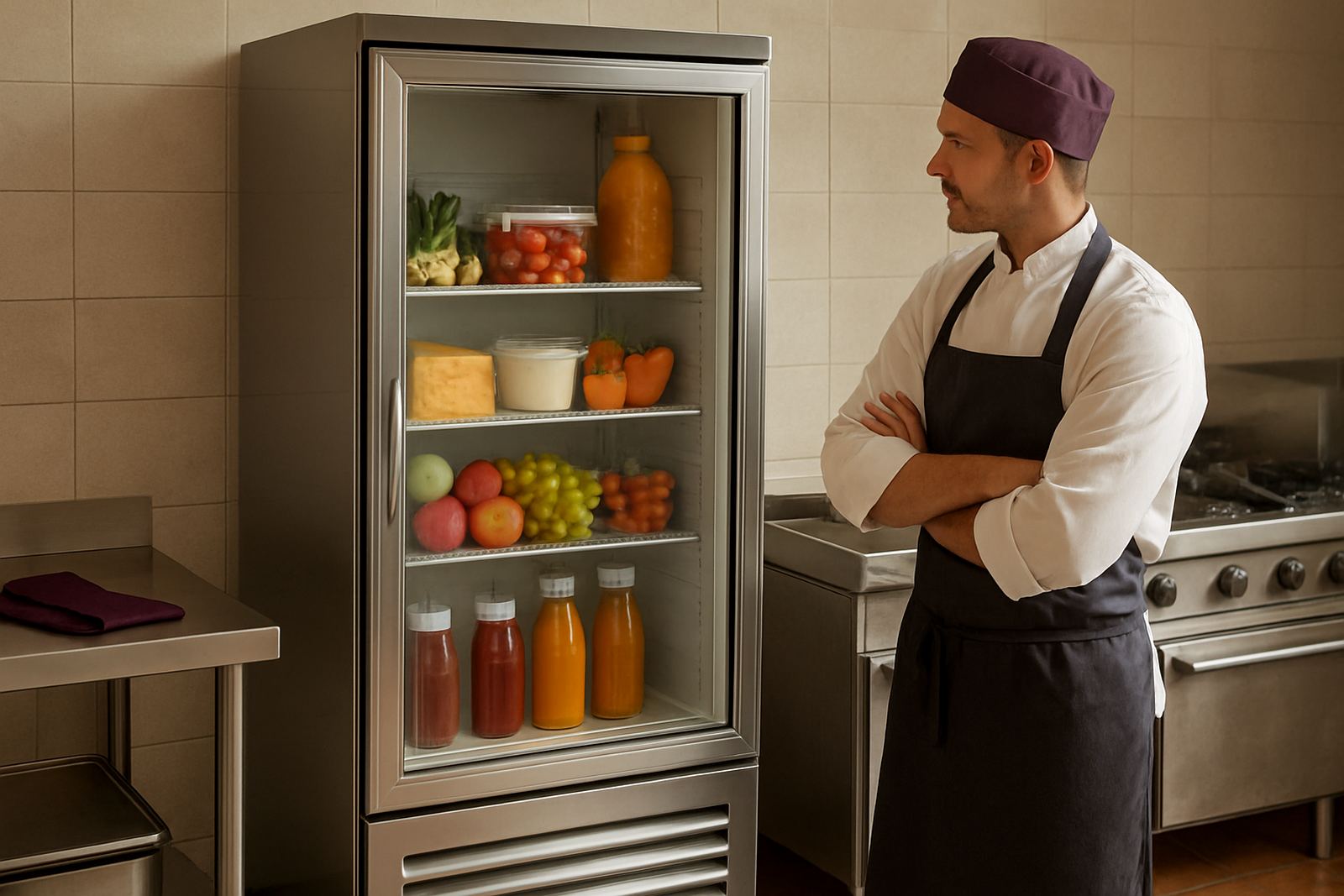
An upright chiller is a tall refrigerated cabinet used to store food at safe holding temperatures while keeping the footprint small. Instead of spreading stock across a room, it lets you stack trays, crates and pans in one place so your prep team can work faster, especially during peak lunch and supper trading.
For Benoni, Boksburg and Germiston kitchens, this type of unit is common where every square metre matters. It is also a sensible fit for back-of-house areas that see regular door openings, because stock stays organised and easy to check without pulling everything out.
Sizes, Door Styles And Storage Options
Upright chillers are usually selected by internal capacity, door layout and shelf arrangement. A single door unit is often enough for smaller takeaway kitchens, while double door models suit higher volume operations, but the right choice depends on your menu, prep routine and delivery frequency.
- Common footprints include compact single door units for narrow kitchens and larger double door cabinets for bulk storage.
- Adjustable shelves help you fit milk, sauces, packaged goods and gastronorm pans.
- Solid doors are preferred for storage areas, while glass doors suit front of house display only if the unit is meant to show stock.
- Castors can help with cleaning and service access, but they must be lockable on smooth floors.
We can also advise on internal layout, because the wrong shelf spacing can waste space quickly. A well planned upright chiller should make it easy to see what must be used first, which helps reduce spoilage and stock loss.
Where An Upright Chiller Fits Best
This unit suits kitchens that need chilled storage close to the pass, prep bench or cold room access point. It is commonly used in takeaway shops, cafés, butchery prep rooms, school kitchens and small catering stores where a walk-in cold room is not practical.
It also works well in coastal or humid towns where temperature control matters throughout the day. In places like the East Rand, where load-shedding and warm summer afternoons can push equipment hard, the chiller needs to be placed with enough breathing room around the compressor and away from fryers, ovens and direct sun.
- Takeaways needing fast access to sauces, dairy and prepped fillings.
- Restaurants with limited floor area and high stock turnover.
- Catering stores that need upright storage for tray-based ingredients.
- Back prep areas where staff need clear product separation.
Installation, Power And Site Checks
An upright chiller normally runs on standard electrical supply, with correct voltage, dedicated protection and enough clearance around the condenser. Before installation, check the floor is level, the doorway is wide enough and the site can handle the unit weight when fully loaded. If the floor is uneven, the doors may not seal properly and the compressor can work harder than needed.
For many sites in Benoni, Springs and Kempton Park, we recommend measuring the final position before delivery so the unit can fit through passages, storerooms and kitchen entries. If the chiller is going into a new fit-out or replacement space, it is worth checking plug points, drainage for nearby cleaning and the direction the door must open. A small mistake here can cause real delays.
- Allow space at the back and sides for airflow.
- Keep the unit away from heat sources and direct sun where possible.
- Use the correct socket and protection for the electrical load.
- Plan the door swing so staff can open it without blocking a walkway.
Care, Cleaning And Servicing That Protects The Compressor
Regular cleaning helps an upright chiller last longer and hold temperature more consistently. Shelves, seals and interior surfaces should be wiped down often, while the condenser area needs to stay free of dust, grease and flour build-up. If the unit works in a bakery or takeaway with heavy frying, it may need more frequent attention than a light duty prep area.
Check door seals for cracks, make sure trays are not packed against the rear wall and watch for ice build-up around the fan cover. If the chiller starts running longer than normal or food is not holding cold, it is better to have it checked early. Small faults on refrigeration equipment often become expensive if they are left too long, and in summer the extra strain can push power use up quickly.
Our service team can assist with inspections, seal checks and general fault finding for units used across the East Rand and further afield. Routine care is simple but it matters, and a clean unit usually performs better with less fuss.
What To Confirm Before You Order
Before placing an order, it helps to confirm the exact size, number of doors and storage format you need. You should also check whether the unit will be used for raw produce, dairy, prepped foods or sealed stock, because that affects shelf choice and internal layout.
- Overall width, depth and height of the available space.
- Door opening direction and whether it will block a wall or walkway.
- Power point location and whether a dedicated circuit is available.
- Required temperature range for the products you will store.
- Whether you need castors, adjustable feet or a fixed position.
- Any access issues at delivery point, including steps, narrow doors or tight passages.
If you are replacing an older unit, compare the old footprint to the new one before anything is moved. That quick check can save a second trip and help avoid downtime for the kitchen.
Key facts
| Product type | Upright refrigerated storage cabinet |
|---|---|
| Typical use | Cold storage for ingredients, dairy, sauces and prepped stock |
| Common sizes | Single door and double door options available |
| Temperature range | Chilled holding, usually around 0 °C to 5 °C |
| Power requirement | Electric supply with correct protection and ventilation |
| Best suited for | Takeaways, restaurants, cafés, catering kitchens and prep rooms |