What A Three Deck Oven Does In A Busy Kitchen
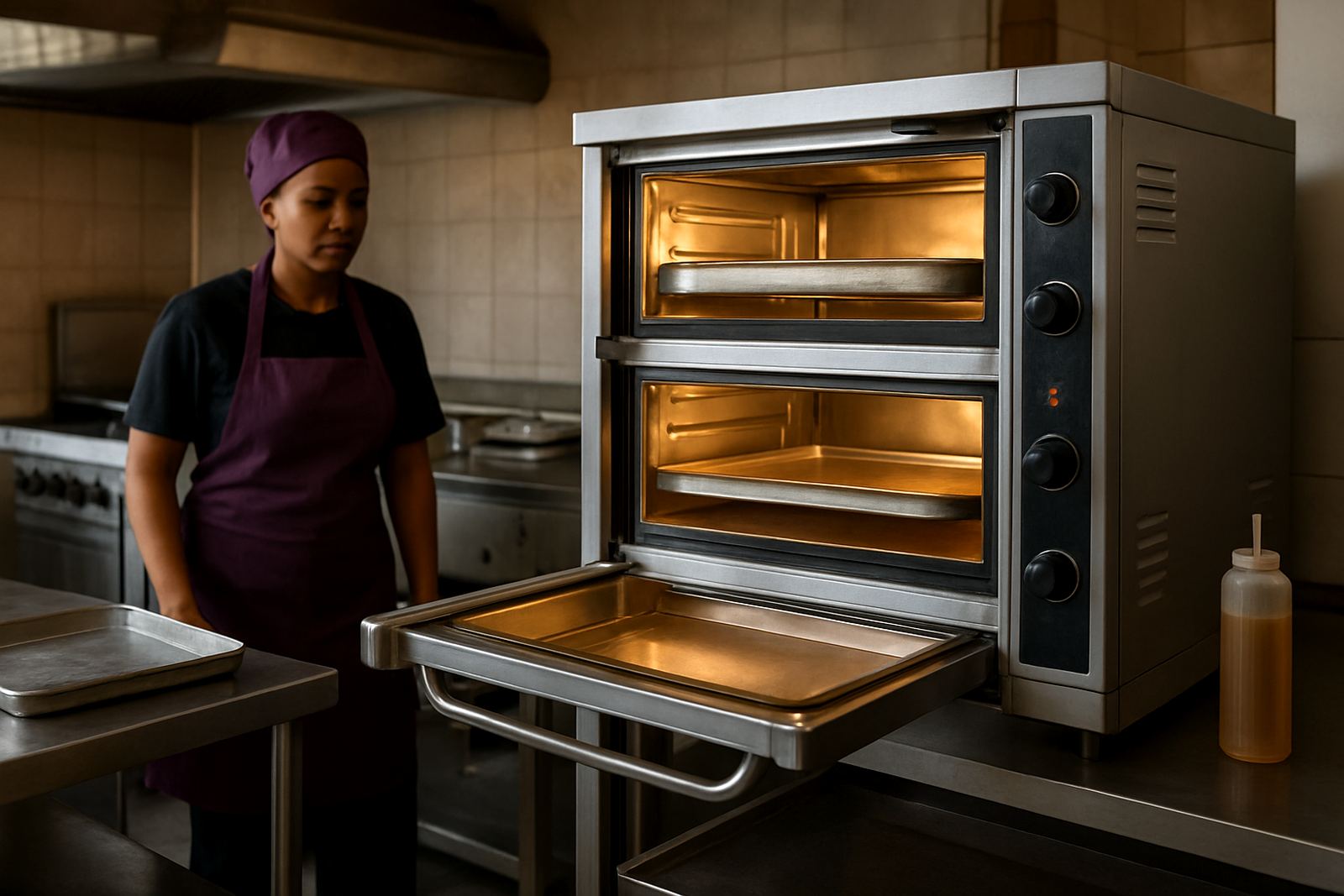
A three deck oven is a multi chamber gas oven with three baking levels stacked in one unit. Each deck works as its own baking space, so you can run different products at the same time without constant shuffling of trays. That makes it a practical choice for bakeries, pizzerias, school kitchens and catering teams that need volume without taking up too much floor space.
Because the decks are enclosed and heated from gas burners, they hold temperature well for bread, rolls, pies, pizzas and pastries. The oven is also useful when load shedding and power dips are a regular part of the day, since the main heat source is gas and not full electric baking. In the right setup, one operator can keep a steady baking rhythm through a morning rush or a lunch service.
For kitchens in Benoni, Boksburg, Kempton Park and the wider East Rand, this type of oven is often chosen where production must stay consistent and service windows are tight.
Sizes, Deck Options And Build Details
Three deck ovens are usually supplied in different tray sizes and cavity widths, so the first job is matching the oven to your products. A compact model may suit a small bakery or takeaway, while a wider unit is better for pizza shops, commissaries and production kitchens. The door height, deck depth and internal clearance matter as much as the number of decks, because they affect tray movement and airflow around the product.
Common build points to look for include heavy duty doors, stone or steel baking bases, heat resistant handles and strong outer cladding. Stainless steel panels are preferred in food areas because they clean down easily and handle humid coastal air better than painted finishes. If the unit is going near a prep line, ask for a layout that leaves enough space for trays, dough boards and cooling racks.
We also look at access for cleaning and service. A good oven should allow the burners, controls and door seals to be reached without stripping the whole unit apart.
Where This Oven Suits Best
This oven suits sites that bake often and in volume. Bakers use it for loaves, buns and rolls. Pizza kitchens use it for consistent base colour and a faster firing cycle. Catering kitchens use it for pies, roast items and tray bakes. It is also a good fit for takeaways that want to add baked menu items without fitting out a full bakery.
If your business runs from a shopping centre kitchen, roadside takeaway or back of house production room, the oven needs to be placed where there is safe ventilation and easy tray movement. In municipal or landlord controlled spaces, clearances around gas appliances are often checked, so planning the position early avoids rework later.
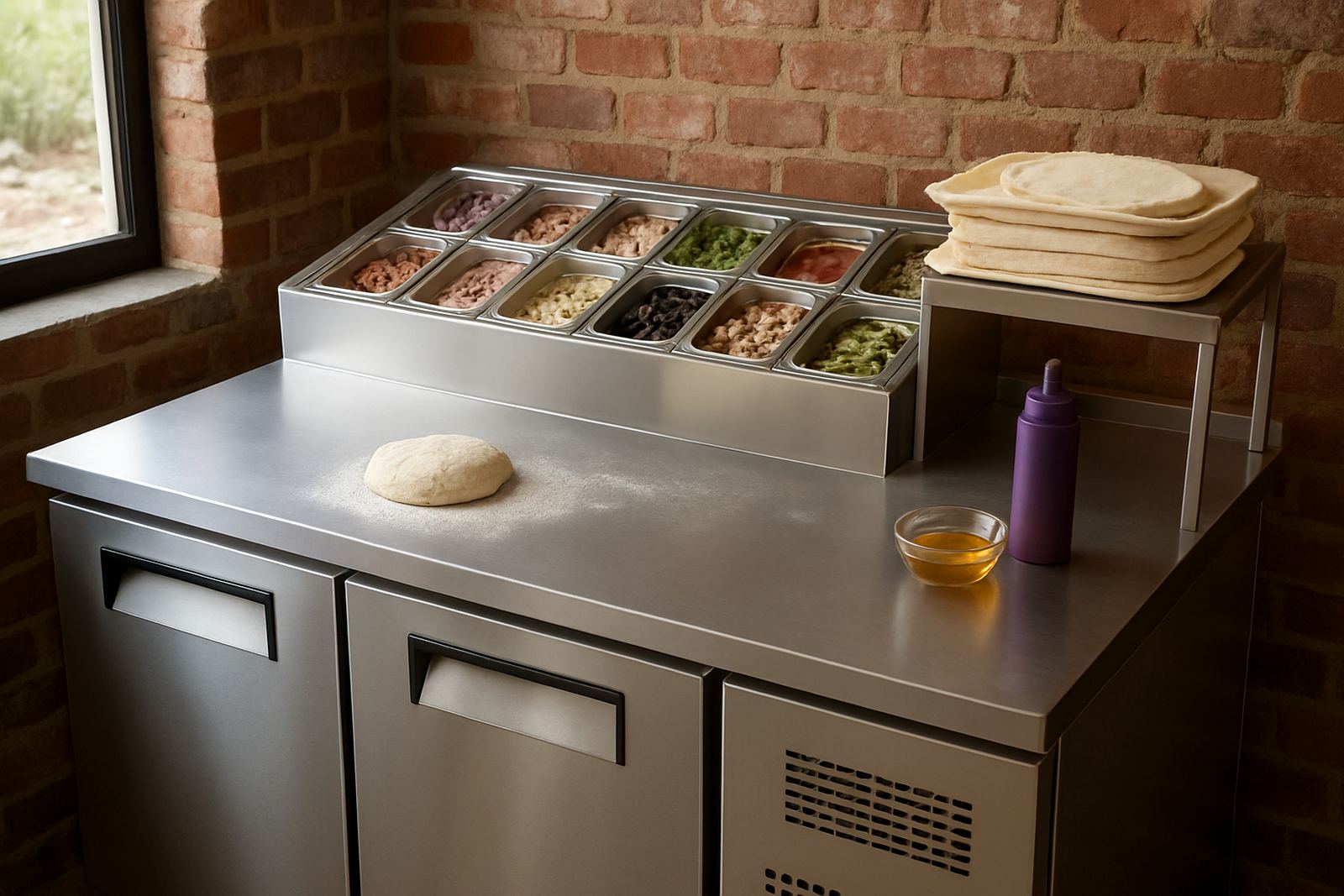
For operations in Germiston, Springs, Brakpan and Boksburg, we often see this oven paired with stainless prep tables, proofing space and a proper extraction plan. That keeps the workflow tidy and helps staff move from dough handling to baking without crowding one another.
Gas, Power And Installation Needs
Most three deck ovens need a proper gas supply, a level floor and enough room for heat and service access. Some installations are done on bottle gas, while others use a piped gas line depending on the site and daily volume. The exact gas pressure and regulator setup should be matched to the oven model and checked during installation, not guessed on site.
Although the oven is gas fired, you still need electricity for some controls, lights or ignition systems on certain models. It is wise to plan for stable power and, where possible, backup power for the broader kitchen. A qualified installer should also check ventilation, flue routing and any local safety requirements before the oven is commissioned. On a busy site, bad venting can make the work area hot and uncomfortable very quickly.
Installation should include levelling, burner testing, leak testing and a heat run before handover. That gives you time to spot uneven baking, door alignment problems or ignition delays before you start production.
Cleaning, Care And Ongoing Servicing
A three deck oven lasts longer when it is cleaned little and often instead of left for a weekly battle. Crumb trays should be emptied daily, door glass wiped if fitted, and the exterior cleaned with non abrasive products so stainless surfaces keep their finish. Burners, seals and hinges should be inspected regularly because small wear points can change heat retention and affect bake quality.
For businesses working near the coast or in humid areas, moisture can find its way into fittings and steel edges if the oven is ignored after service. Keep the area dry where possible and make sure the oven is not crowded with wet pans or storage boxes. If a deck starts heating unevenly, or ignition becomes slow, it is better to book a service check early rather than push through a full week of trading.
Regular servicing also helps with gas safety and keeps the unit performing the same way each morning. That matters when staff rely on fixed bake times and need repeat results from day to day.
What To Confirm Before You Order
Before ordering, confirm the tray size, total width, height and the space you have for delivery through doors or into the kitchen. Measure the route carefully, including tight turns, ramps and floor level changes. If you are replacing old equipment, check whether the new oven can fit into the same service line or whether the gas point and flue need moving.
It also helps to know your daily output, the mix of products and whether you need separate deck control. A bakery with different products on each deck may want finer temperature control, while a takeaway with a focused menu might prefer simple, durable controls. If your team works across multiple sites, keep the same oven format where possible so training stays simple.
When you send through your request, include photos of the kitchen, the available wall space and any extractor or gas constraints. That saves time and helps us advise on the right model for the job, not just the biggest one.
Key facts
| Product type | Three deck gas oven |
|---|---|
| Use | Bakeries, pizzas, batch cooking and takeaways |
| Decks | 3 independent baking chambers |
| Fuel | Gas heated with electrical components where fitted |
| Body finish | Heavy duty steel or stainless clad construction |
| Best for | High volume kitchens needing steady output |